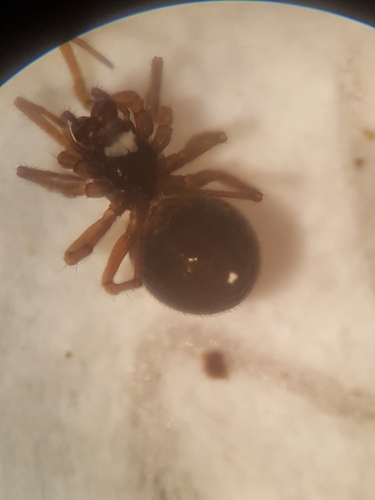
Erigone promiscua
Photo: Photo: (c) Matt, some rights reserved (CC BY-NC), uploaded by Matt
Overview
The negltaggedderkopp (Erigone promiscua) is a small sheet weaver spider belonging to the family Linyphiidae. This diminutive arachnid is endemic to specific coastal dune systems and sandy grassland habitats in northwestern Europe, where it occupies a highly specialized ecological niche. The species constructs characteristic horizontal sheet webs close to the ground surface, typically among sparse vegetation and moss layers in stabilized dune areas.
Its extremely limited distribution and specific habitat requirements have made it particularly vulnerable to environmental changes. The primary threats to E. promiscua include coastal development, recreational pressure on dune systems, and habitat degradation from invasive plant species that alter the delicate structure of its preferred microhabitats.
Climate change poses additional risks through sea level rise and changing precipitation patterns that affect coastal dune stability. The species' small population size and fragmented distribution further increase its vulnerability to local extinctions. Conservation efforts focus on protecting remaining dune habitats through designation of protected areas and implementing management practices that maintain the open, sparsely vegetated conditions the species requires.
Habitat restoration projects aim to remove invasive vegetation and restore natural dune processes. Research initiatives are working to better understand the species' ecology, population dynamics, and specific habitat requirements to inform more targeted conservation strategies. Monitoring programs have been established to track population trends and assess the effectiveness of conservation measures.
The negltaggedderkopp faces severe threats from coastal development and recreational activities that destroy or fragment its specialized dune habitats. Invasive plant species alter the structure of its preferred sparse vegetation communities, while climate change impacts including sea level rise threaten the stability of coastal dune systems.
Habitat
This species inhabits stabilized coastal sand dunes and sandy grasslands with sparse vegetation and well-developed moss layers. It requires open microhabitats with minimal vegetation cover where it can construct its characteristic sheet webs near the ground surface.
Other threatened species in Linyphiidae
Threatened in Belgium

Frequently asked questions
Why is Erigone promiscua classified as Critically Endangered?
Where does Erigone promiscua live?
What are the main threats to Erigone promiscua?
Get weekly conservation intelligence
One short digest a week of the most striking species and country data we ship, plus breaking conservation news paired with our database where it matters.
Free, no spam. One-click unsubscribe in every email.