Species Explorer
Browse and search species from the IUCN Red List and GBIF.
54,666 species
nikketustmose
CRTortula laureri
Tortula laureri faces severe threats from habitat degradation and loss due to air pollution, urbanization, and climate change affecting its specialized bryophyte communities. The species' extremely limited distribution and specific microhabitat requirements make it particularly vulnerable to environmental disturbances and human activities that alter substrate chemistry and moisture regimes.

Ningu
CRLabeo victorianus
Labeo victorianus faces severe threats from overfishing, habitat degradation, and the introduction of invasive species in Lake Victoria and surrounding waters. Water pollution from agricultural runoff and urban development has significantly degraded water quality, while intensive fishing pressure has drastically reduced population numbers across its native range.

Niobe Fritillary
CRFabriciana niobe
The Niobe Fritillary faces severe population declines across its range due to habitat loss and degradation of its specialized grassland ecosystems. Agricultural intensification, abandonment of traditional grazing practices, and climate change have dramatically reduced the availability of suitable breeding habitats and host plants, pushing this butterfly species toward extinction.
Nipple Lichen
ENPycnothelia papillaria
nisperillo
VUManilkara valenzuelana
níspero
ENSaurauia serrata
njurlavsknapp
ENPlectocarpon nephromeum

Nkongsamba Frog
VUAmnirana asperrima
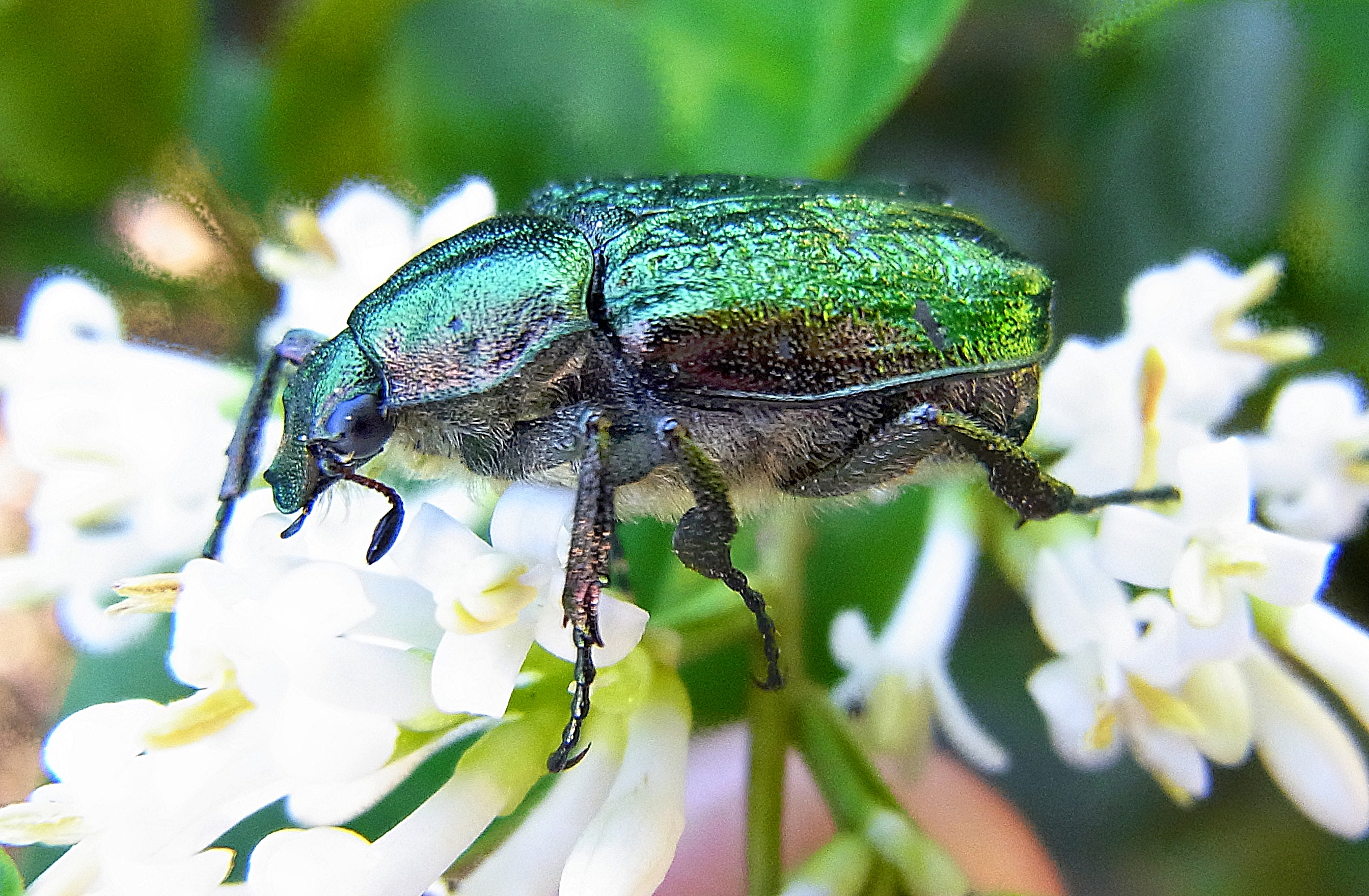
Noble Chafer
CRGnorimus nobilis
The Noble Chafer faces severe population declines across its European range due to the widespread loss of ancient deciduous woodlands and traditional wood pasture systems. Intensive forestry practices, urbanization, and the removal of veteran trees have eliminated critical breeding habitats, while climate change may be altering the availability of suitable dead wood substrates essential for larval development.

Noctuelle de l'Oxalide (La)
VUMesogona oxalina

Noctuelle gris-de-lin (La)
VUEpilecta linogrisea

Nodding Nixie
ENApteria aphylla

Nogel's Hairstreak
CRTomares nogelii
Nogel's Hairstreak faces severe threats from habitat loss and degradation due to agricultural expansion and urban development across its limited range in southeastern Europe and Turkey. The species' highly specialized relationship with its host plants makes it particularly vulnerable to environmental changes, while its small, fragmented populations are susceptible to local extinctions from climate change impacts.
nonnekapkluifzwam
VUHelvella spadicea

noords kaardertje
CRDictyna major
Dictyna major faces severe population declines due to habitat destruction from urbanization and agricultural expansion, which eliminates the specific microhabitats this specialized spider requires. Climate change and pollution further threaten remaining populations by altering the delicate ecological conditions necessary for web construction and prey availability.
noordse strekspin
VUTetragnatha dearmata
Noorse zakspin
VUClubiona norvegica
Nootka alkaligrass
VUPuccinellia nutkaensis
norddalsdaggkåpa
VUAlchemilla semidivisa
nordguldstekel
CRChrysis zetterstedti
Chrysis zetterstedti faces severe population declines due to habitat loss from agricultural intensification and urban development in its limited range. The species' specialized parasitic lifestyle makes it particularly vulnerable to disruptions in host species populations and the degradation of sandy, open habitats essential for both the wasp and its hosts.

Nordische Mosaikjungfer
VUAeshna serrata
Nordisk mosesvirreflue
ENOrthonevra erythrogona
nordlig småstävmal
ENGnorimoschema nordlandicolella
Nordlig svømmedøgnflue
VUSiphlonurus alternatus
nordtrattspindel
VUArctobius agelenoides
Norfolk Bladder-moss
ENPhyscomitrium eurystomum
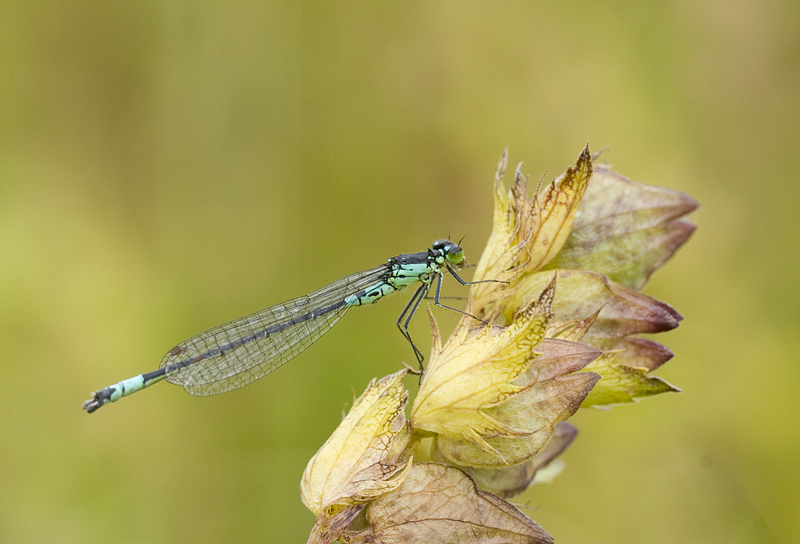
Norfolk Damselfly
ENCoenagrion armatum
The Norfolk Damselfly is critically threatened by habitat loss and degradation of its specialized wetland environments on Norfolk Island. The species' extremely limited range makes it highly vulnerable to environmental changes, invasive species, and human disturbance of its freshwater breeding sites.

Norfolk Hawker
CRAeshna isoceles
The Norfolk Hawker faces severe threats from habitat loss and degradation of its specialized wetland environments, particularly through drainage of grazing marshes and water level management changes. Climate change poses additional risks through altered precipitation patterns and increased frequency of extreme weather events that can disrupt breeding cycles and larval development in shallow water bodies.
Norfolk Skullcap
CRScutellaria hastifolia
Norfolk Skullcap faces severe threats from its extremely limited distribution on Norfolk Island, where habitat degradation from invasive plant species and historical land clearing have significantly reduced suitable growing areas. The species' small population size makes it highly vulnerable to stochastic events and genetic bottlenecks, while ongoing pressure from introduced weeds continues to degrade its remaining habitat.
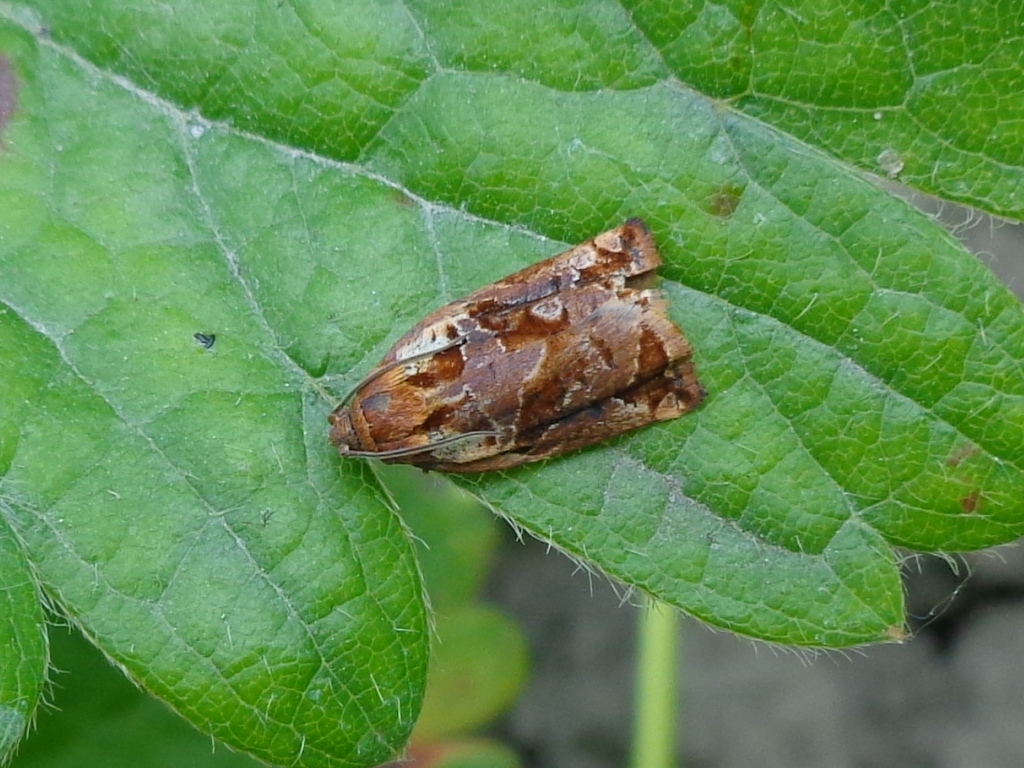
Norfolk Tortrix
VUArchips betulana
normansmåra
VUGalium normanii

northern admete
ENAdmete viridula

Northern Beech Fern
CRPhegopteris connectilis
Northern Beech Fern faces severe threats from habitat destruction due to deforestation and forest fragmentation, particularly in its preferred cool, moist woodland environments. Climate change poses additional risks by altering temperature and moisture regimes essential for this species' survival, while invasive species competition and human development pressures further compromise remaining populations.
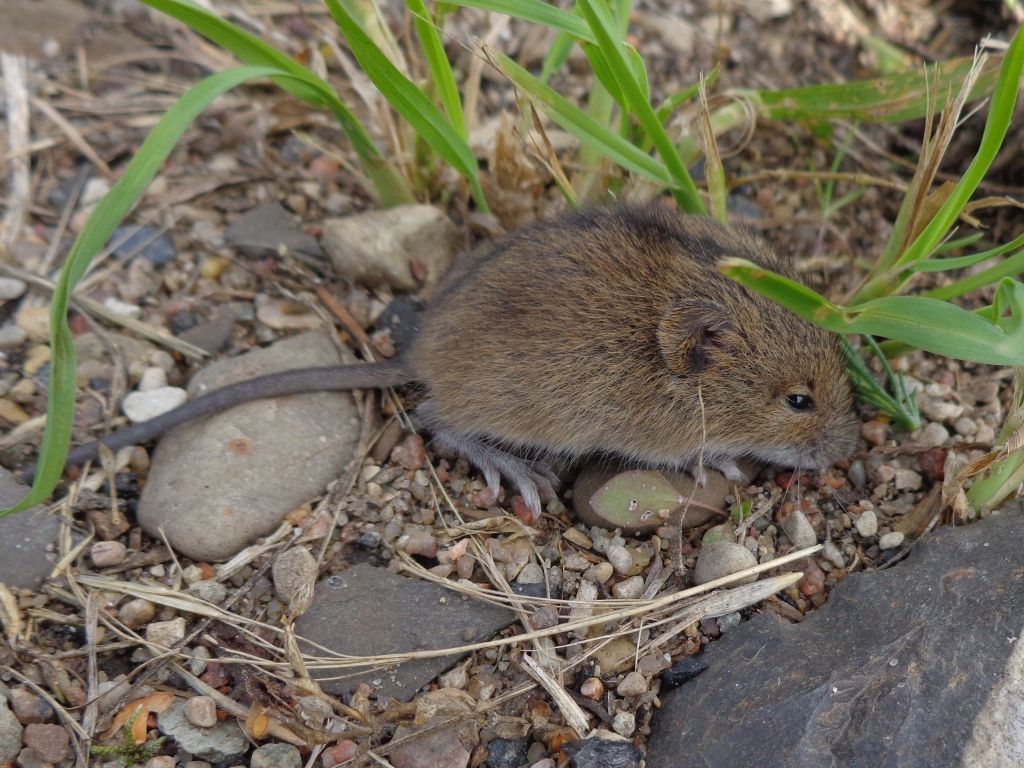
Northern Birch Mouse
VUSicista betulina
Northern Brown Argus
VUAricia artaxerxes

Northern Chequered Skipper
VUCarterocephalus silvicola

Northern Clubrush
ENTrichophorum alpinum

Northern Colletes
CRColletes floralis
Northern Colletes faces severe population declines due to habitat loss from agricultural intensification and urban development destroying the specialized nesting sites and floral resources this solitary bee requires. Climate change is altering flowering phenology of key plant species, creating temporal mismatches between bee emergence and nectar availability, while pesticide use in agricultural landscapes poses additional mortality risks.
Northern Cordilleras Robber Frog
VUPristimantis thectopternus

Northern Damselfly
CRCoenagrion hastulatum
The Northern Damselfly faces severe threats from climate change, which is causing the warming and acidification of its specialized bog and moorland habitats. Habitat destruction through peat extraction, drainage of wetlands, and agricultural conversion has significantly reduced available breeding sites, while pollution from agricultural runoff and atmospheric deposition further degrades water quality in remaining habitats.

Northern Emerald
CRSomatochlora arctica
The Northern Emerald faces severe threats from climate change, which is altering the cold, pristine bog and fen habitats essential for its survival. Habitat degradation from peat extraction, drainage, and development activities further reduces available breeding sites, while the species' limited dispersal ability and specialized habitat requirements make population recovery extremely difficult.

Northern Finned Prominent Moth
VUNotodonta torva

Northern Fulmar
ENFulmarus glacialis
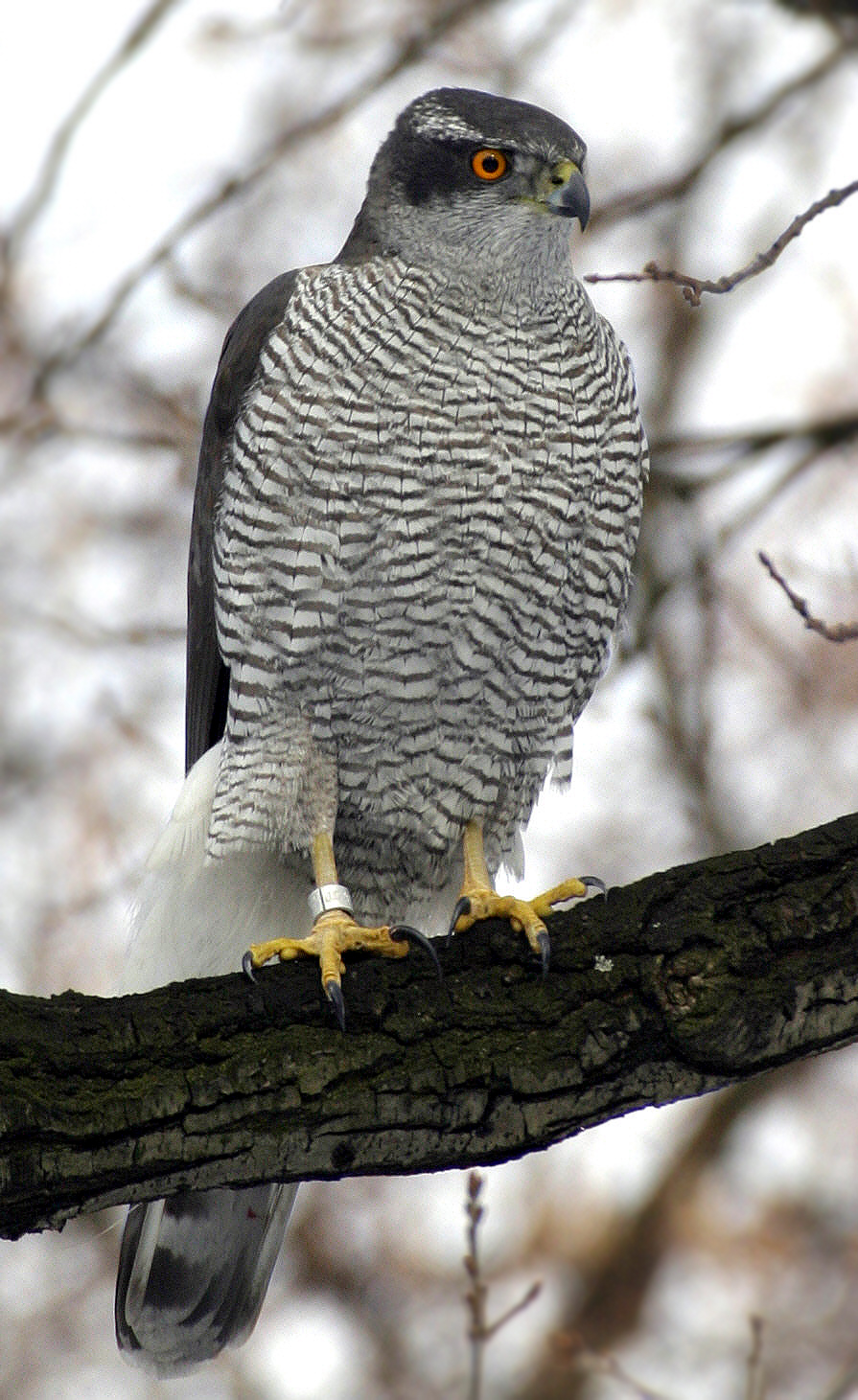
Northern Goshawk (eurasian)
VUAccipiter gentilis

Northern Green Rush
CRJuncus alpinoarticulatus
Northern Green Rush faces severe threats from habitat degradation and loss of specialized wetland environments. Climate change and human development pressures are reducing the availability of suitable alpine and subarctic wetland habitats, while water regime alterations and pollution further compromise remaining populations.

Northern Guillemot
VUUria aalge

Northern Harrier / Hen Harrier
ENCircus cyaneus

northern Jacob's-ladder
VUPolemonium boreale
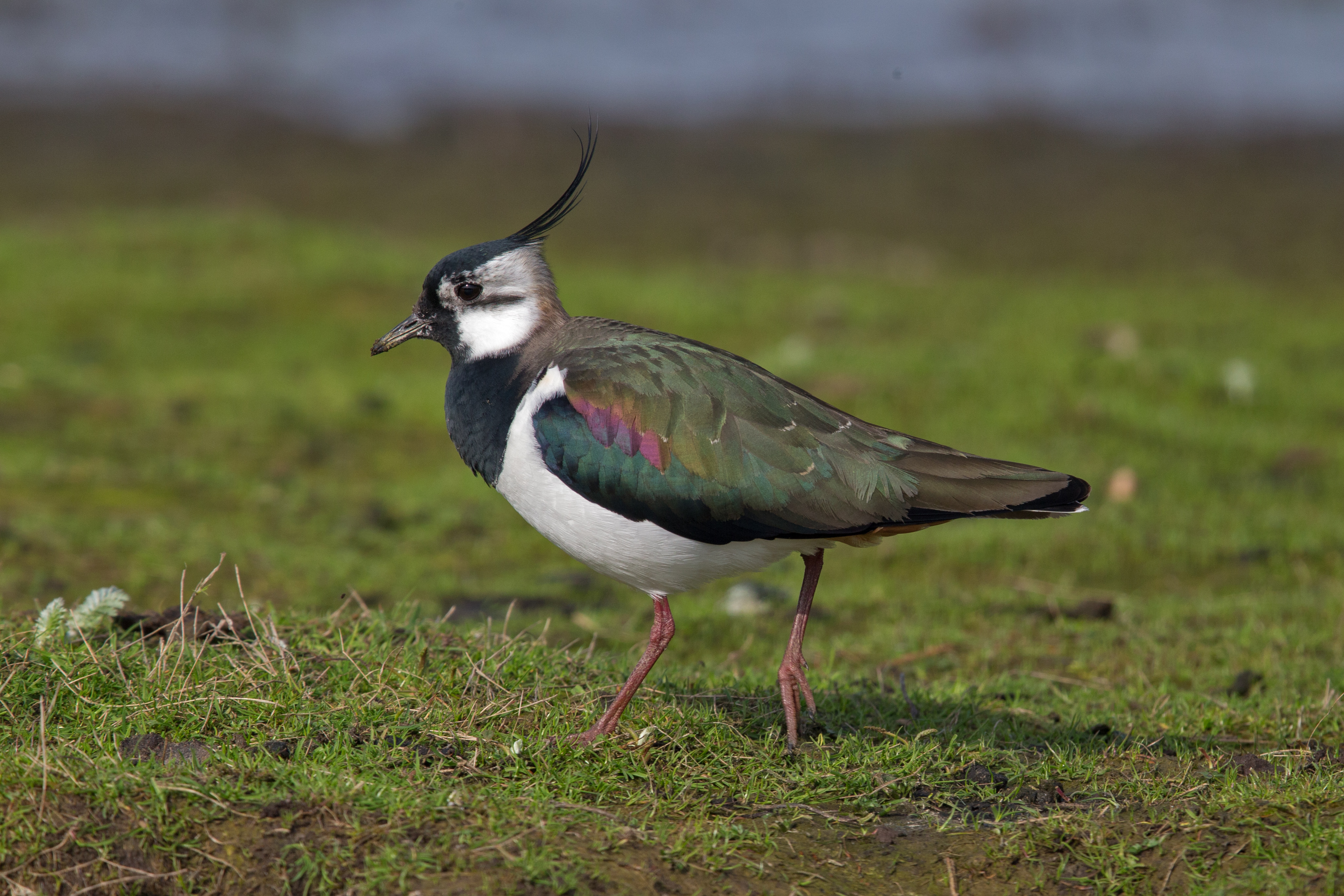
Northern Lapwing
VUVanellus vanellus
The Northern Lapwing has experienced severe population declines across its range, primarily due to agricultural intensification that has eliminated traditional mixed farming practices and reduced suitable nesting habitat. Changes in grassland management, including earlier and more frequent mowing, increased use of fertilizers and pesticides, and conversion of permanent grasslands to arable crops have significantly impacted breeding success and food availability.

Northern Long-nosed Armadillo
VUDasypus sabanicola