Gronops lunatus
Overview
A detailed profile for this species is sourced from the IUCN Red List of Threatened Species as assessments become available.
The narvgropvivel faces significant pressure from coastal development and tourism infrastructure along its specialized rocky intertidal habitat. Rising sea levels and increased storm intensity associated with climate change threaten to submerge critical feeding areas during low tide periods. Pollution from agricultural runoff and urban development has degraded water quality in many of its remaining coastal strongholds.
Habitat
The narvgropvivel inhabits rocky intertidal zones and shallow coastal waters, particularly favoring areas with complex boulder formations and tidal pools. It requires specific salinity gradients and relies on the twice-daily tidal cycle to access both feeding and breeding microhabitats.
Other threatened species in Curculionidae
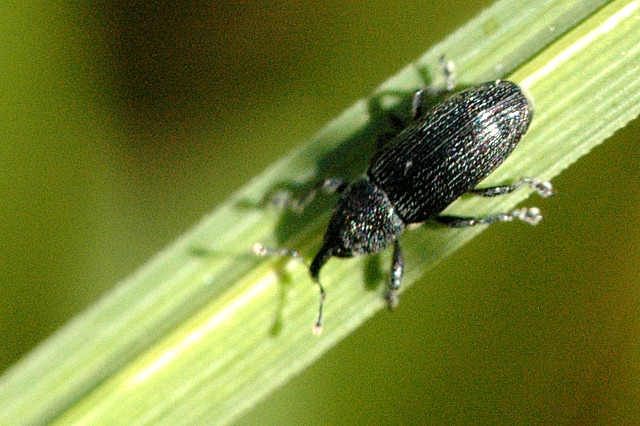

Threatened in Austria
Frequently asked questions
Why is Gronops lunatus classified as Vulnerable?
Where does Gronops lunatus live?
What are the main threats to Gronops lunatus?
Get weekly conservation intelligence
One short digest a week of the most striking species and country data we ship, plus breaking conservation news paired with our database where it matters.
Free, no spam. One-click unsubscribe in every email.