Species Explorer
Browse and search species from the IUCN Red List and GBIF.
54,666 species
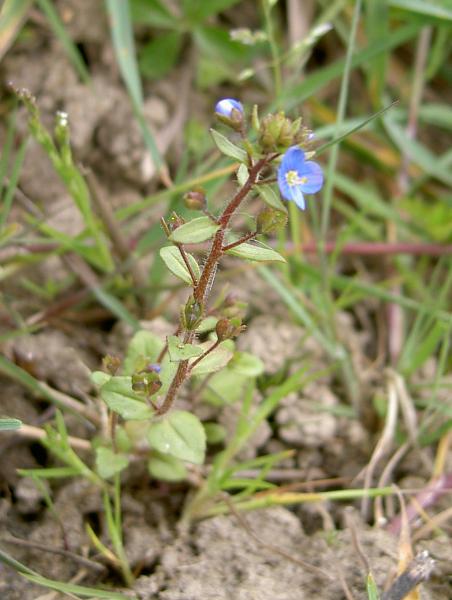
French Speedwell
CRVeronica acinifolia
French Speedwell (Veronica acinifolia) is critically endangered primarily due to habitat loss and degradation of its specialized sandy, disturbed ground habitats. The species faces severe pressure from agricultural intensification, urban development, and changes in land management practices that have eliminated or altered the ephemeral, nutrient-poor soils it requires for survival.
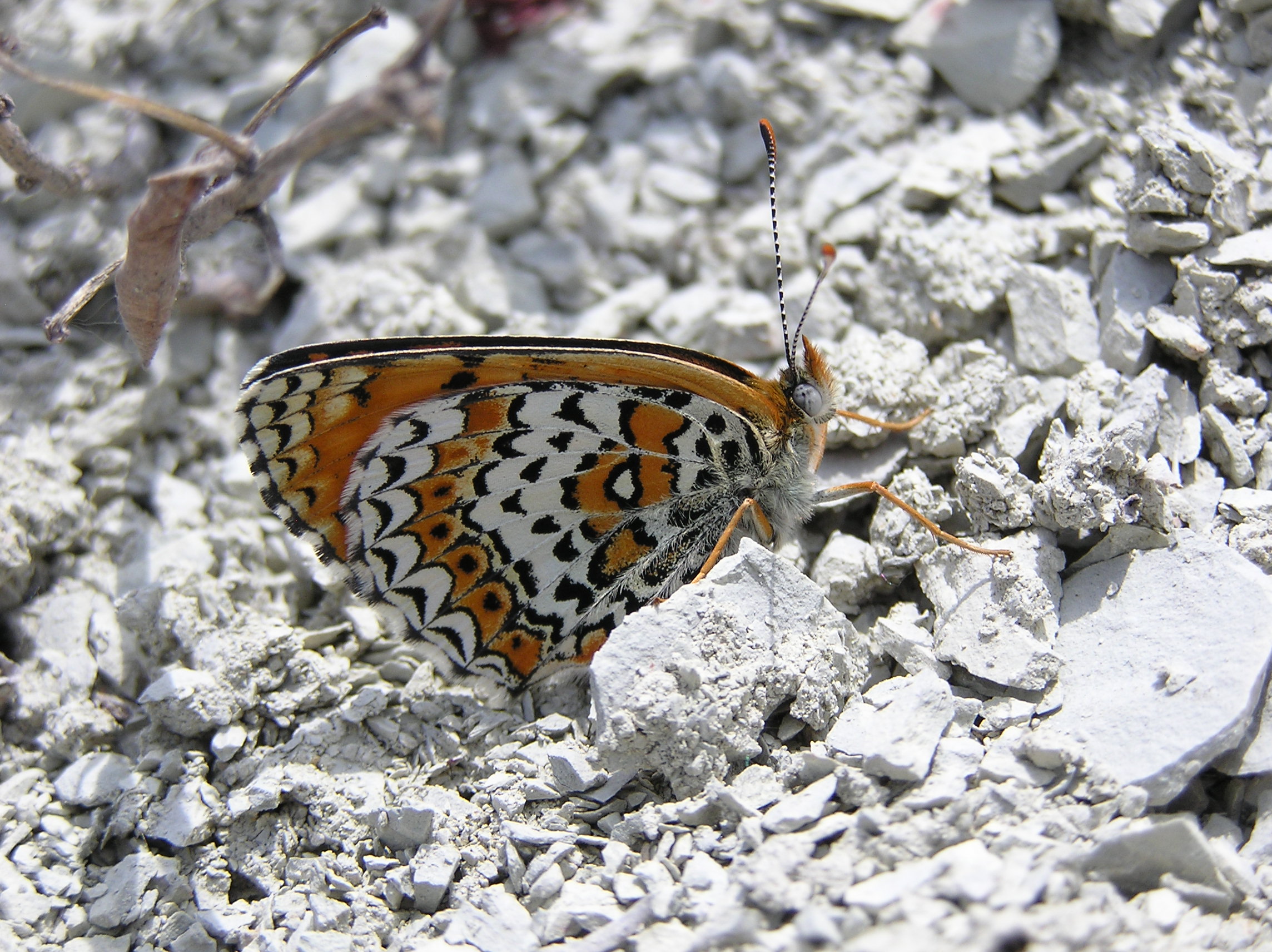
Freyer's Fritillary
VUMelitaea arduinna

Freyer's Grayling
VUHipparchia fatua

Fries' Pondweed
CRPotamogeton friesii
Fries' Pondweed faces severe decline primarily due to habitat degradation and loss of suitable freshwater environments. Water pollution, eutrophication from agricultural runoff, and physical disturbance of aquatic habitats have dramatically reduced available habitat for this critically endangered aquatic plant.

Frigga's Fritillary
CRBoloria frigga
Frigga's Fritillary faces severe population declines primarily due to habitat loss and fragmentation of its specialized bog and wetland ecosystems. Climate change poses an additional threat by altering the hydrology and plant communities of these sensitive habitats, while the species' limited dispersal ability makes it particularly vulnerable to local extinctions.
Frijolillo
CRSwartzia oraria
Swartzia oraria faces severe threats primarily from habitat destruction due to deforestation and agricultural expansion in its limited range in Costa Rica. The species has an extremely restricted distribution, making it highly vulnerable to any habitat loss or degradation. Urban development and infrastructure projects further fragment the remaining suitable habitat.
Fringe Horned Mason Bee
CROsmia pilicornis
The Fringe Horned Mason Bee faces severe population declines primarily due to habitat loss and degradation of its specialized nesting sites in coastal areas. Agricultural intensification, urban development, and changes in land management practices have eliminated much of the species' required habitat, while climate change may be altering the availability of suitable nesting conditions and food plants.

Fringe-backed Fire-eye
ENPyriglena atra
The Fringe-backed Fire-eye is primarily threatened by extensive deforestation and habitat fragmentation throughout its range in Brazil's Atlantic Forest. Agricultural expansion, urbanization, and logging have severely reduced and isolated remaining forest patches, making populations vulnerable to local extinctions.
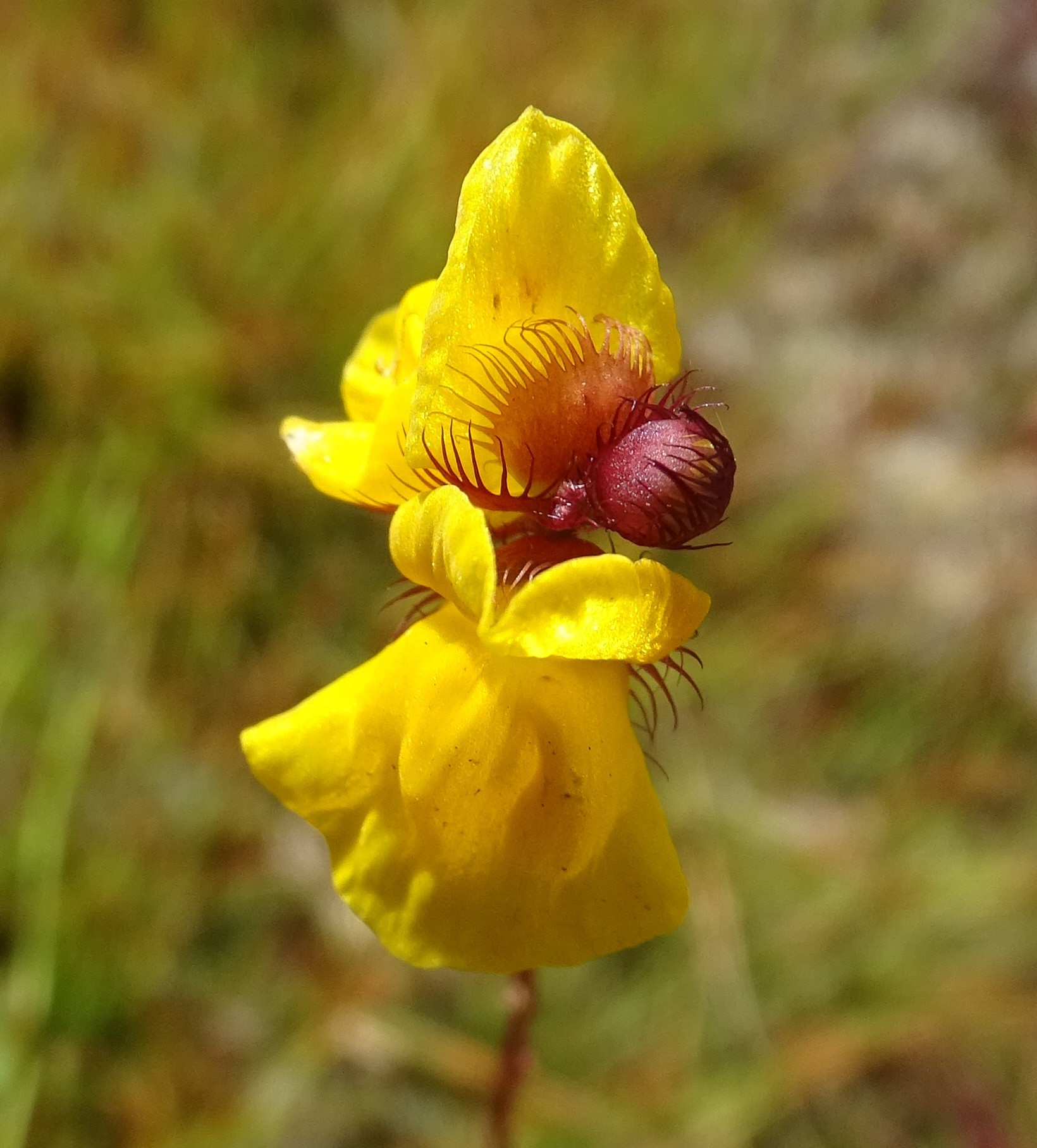
Fringed Bladderwort
CRUtricularia simulans
Fringed Bladderwort (Utricularia simulans) is critically endangered primarily due to habitat loss and degradation of its specialized wetland environments. The species is restricted to very few locations with specific water chemistry and hydrological conditions, making it extremely vulnerable to environmental changes and human disturbance.
Fringed Extinguisher-moss
CREncalypta ciliata
Fringed Extinguisher-moss faces severe decline due to habitat loss from agricultural expansion, urban development, and changes in land use practices that alter the specific microhabitat conditions this species requires. Climate change and atmospheric pollution further threaten the delicate moisture and chemical balance necessary for moss survival.

Fringed Kidney Lichen
CRNephroma helveticum
Fringed Kidney Lichen (Nephroma helveticum) is critically endangered primarily due to habitat loss and degradation of old-growth forests where it depends on specific microclimate conditions. Air pollution, particularly nitrogen deposition and acid rain, severely impacts this pollution-sensitive species. Climate change further threatens its survival by altering the cool, humid conditions essential for its growth.

Frog Pelt Lichen
CRPeltigera degenii
Frog Pelt Lichen (Peltigera degenii) is critically endangered primarily due to habitat loss and degradation of its specialized forest ecosystems. Air pollution, particularly nitrogen deposition and acid rain, severely impacts this pollution-sensitive species. Climate change further threatens the cool, humid conditions this lichen requires for survival.

Frosted Orache
VUAtriplex laciniata

Fruity Brittlegill
VURussula queletii
Fuding Fire-bellied Newt
CRCynops fudingensis
The Fuding Fire-bellied Newt faces severe threats primarily from habitat destruction due to agricultural expansion, urban development, and infrastructure construction in its extremely limited range in Fujian Province, China. Water pollution from agricultural runoff and industrial activities further degrades the aquatic habitats essential for this species' survival. Climate change and the species' extremely small population size make it highly vulnerable to extinction.
Fuhrmann's Backpack Frog
VUCryptobatrachus fuhrmanni
fuktalvmattevever
VUMaro sublestus
fuktnebbedderkopp
ENDrepanotylus uncatus
Drepanotylus uncatus faces severe population declines primarily due to habitat destruction from agricultural expansion and urban development in its limited range. Climate change is altering the microhabitat conditions this specialized spider requires, while pollution from agricultural runoff degrades the quality of its wetland breeding sites.
fukttriangeledderkopp
VUOedothorax gibbosus
fuktvorteedderkopp
ENHypselistes jacksoni
Primary threats include habitat fragmentation from coastal development and the introduction of invasive plant species that alter the structural complexity of its web-building sites. Climate-induced changes in precipitation patterns are also disrupting the delicate moisture balance required for successful reproduction and prey capture.
Funck's Rustwort
VUMarsupella funckii

Furelæbet hedemyre
VUFormica pressilabris
furukonglesnutebille
VUPissodes validirostris

Fused Tooth
VUPhellodon confluens
fyrfläckig dyngbagge
ENEudolus quadriguttatus
The fyrfläckig dyngbagge (Eudolus quadriguttatus) is declining primarily due to habitat loss from agricultural intensification and changes in livestock management practices. The species depends on traditional pastoral systems with grazing animals that produce the dung necessary for its life cycle, but modern farming methods have reduced the availability of suitable breeding substrates.
fyrpunktsplattmal
CRAgonopterix quadripunctata
Agonopterix quadripunctata faces severe population decline primarily due to habitat loss and degradation of its specialized host plant environments. The species' narrow ecological requirements and limited distribution make it extremely vulnerable to environmental changes and human activities that alter its breeding and feeding habitats.

Fyrregråbuk
CRPogonocherus decoratus
Pogonocherus decoratus, a longhorn beetle species, faces severe population decline primarily due to habitat loss and degradation of its specialized forest ecosystems. The species' dependence on specific host trees and old-growth forest conditions makes it particularly vulnerable to logging, forest fragmentation, and changes in forest management practices.
gäddnatevivel
VUBagous limosus
gaffelfibbla
VUPilosella dichotoma
gaffelhuvudspindel
VUWalckenaeria furcillata

Gagée des prés, Gagée à pétales étroits
CRGagea pratensis
Gagea pratensis faces severe decline primarily due to habitat loss from agricultural intensification and urban development of its grassland habitats. The species is particularly vulnerable to changes in traditional land management practices that maintained the open, nutrient-poor grasslands it requires for survival.

Gaillet à feuilles rondes
VUGalium rotundifolium
Gaillet de Thiébaut
ENGalium thiebautii
Galium thiebautii faces severe threats from habitat destruction and degradation due to urban development, agricultural expansion, and invasive plant species in its limited range. The species' extremely restricted distribution makes it particularly vulnerable to local extinctions from human activities and environmental changes.

Galapagos Blenny
VUStarksia galapagensis
Galapagos Blue-banded Goby
VULythrypnus gilberti
Galapagos Croaker
VUOdontoscion eurymesops
Galápagos Drum
VUUmbrina galapagorum
Galápagos Four-eyed Blenny
VUDialommus fuscus
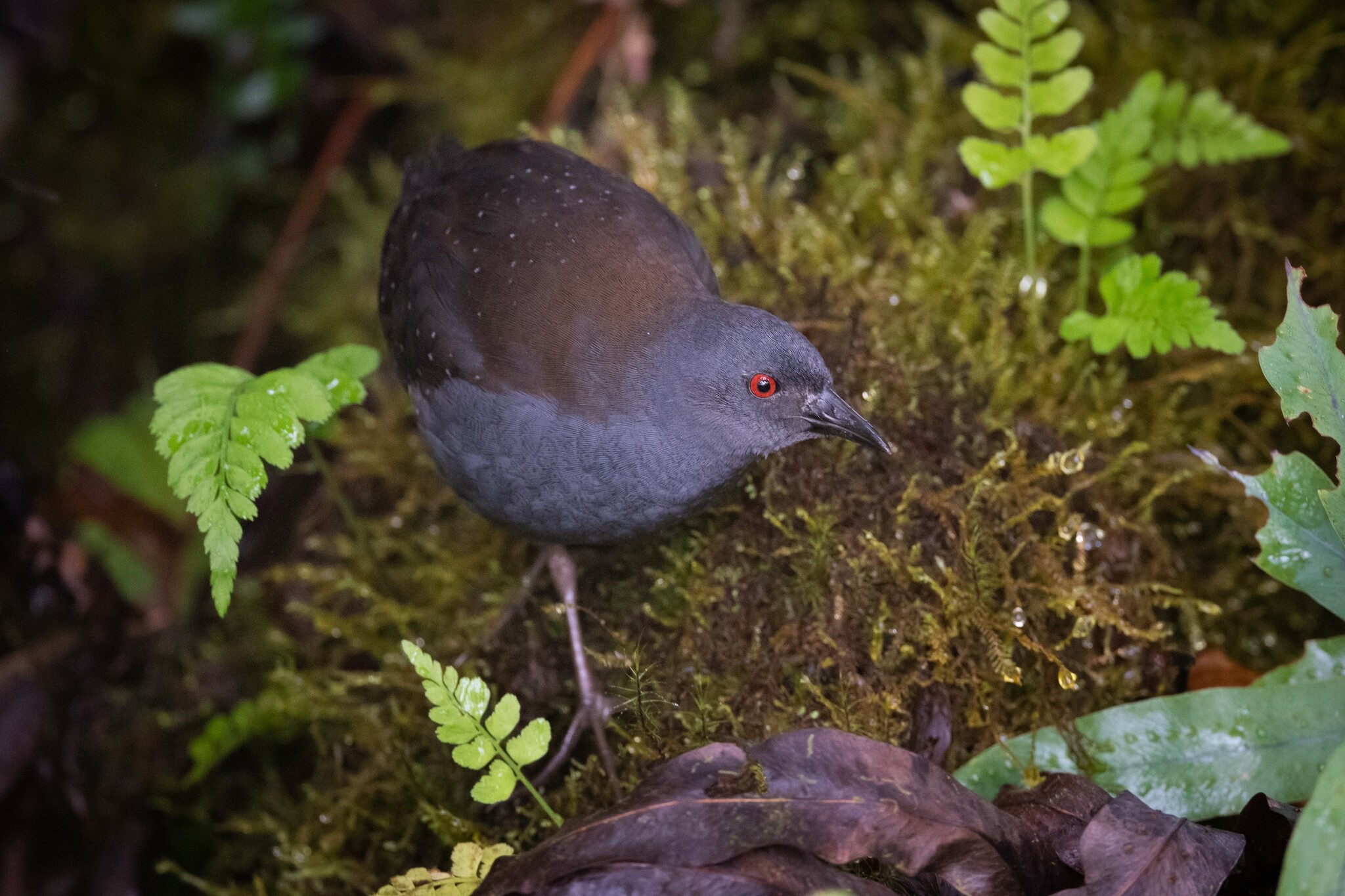
Galapagos Rail
VULaterallus spilonotus

Galapagos Razorfish
VUXyrichtys victori

Galápagos Snake Eel
VUQuassiremus evionthas

Galapagos Triplefin Blenny
VULepidonectes corallicola

Galium Carpet
VUEpirrhoe galiata
Gallertiger Resupinatstacheling
VUProtodontia piceicola
Gamboa Worm Salamander
ENOedipina complex
The Gamboa Worm Salamander faces severe population declines primarily due to habitat destruction from deforestation and urban development in its limited range around the Panama Canal area. The species' extremely restricted distribution makes it particularly vulnerable to local environmental changes and habitat fragmentation.
Gamtoos Cabbage Tree
VUCussonia gamtoosensis

Ganges River Dolphin
ENPlatanista gangetica
Dam construction (Koshi Barrage, Narayani barrages) fragments river habitat and prevents seasonal migrations. Bycatch in fishing nets, sand mining destroying deep pool habitat, pollution from agricultural runoff and urban waste, and declining fish stocks. Threats are intensifying.

Garlic Waxcap
VUHygrocybe helobia

Garo Hills Bush Frog
VUPhilautus garo

Gassy Knight
CRTricholoma inamoenum
Tricholoma inamoenum, the Gassy Knight mushroom, faces severe population declines primarily due to habitat loss from deforestation and land conversion in its native European range. Climate change is altering the delicate soil and moisture conditions required for this mycorrhizal species to form essential partnerships with host trees. Pollution and soil contamination further threaten the specialized forest ecosystems this rare fungus depends upon.