
spike lichen
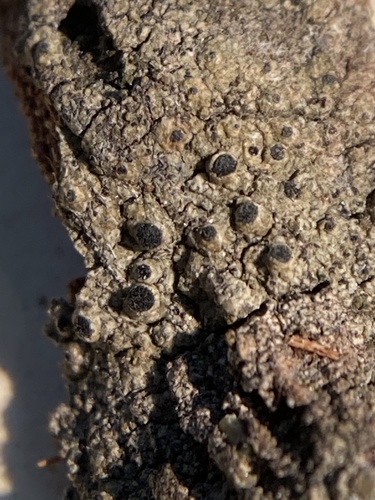
Calicium adspersum
Photo: Wikimedia Commons (CC) via https://en.wikipedia.org/wiki/Calicium_adspersum
Overview
A detailed profile for this species is sourced from the IUCN Red List of Threatened Species as assessments become available.
Calicium adspersum faces significant pressure from air pollution, particularly nitrogen deposition and sulfur compounds that alter bark chemistry and reduce suitable substrate availability. Forest management practices that favor young, smooth-barked trees over mature specimens with the rough, nutrient-rich bark this species requires have substantially reduced habitat quality. Climate change compounds these threats by altering moisture regimes and potentially shifting the geographic range of suitable host trees beyond the lichen's dispersal capabilities.
Habitat
This crustose lichen species grows exclusively on the rough, nutrient-rich bark of mature deciduous trees, particularly favoring old oak, ash, and maple trees in temperate European forests. It requires specific microclimate conditions with moderate humidity and low levels of air pollution, typically found in well-established woodland ecosystems with minimal disturbance.
Other threatened species in Caliciaceae
Frequently asked questions
Why is spike lichen classified as Vulnerable?
Where does spike lichen live?
What are the main threats to spike lichen?
Get weekly conservation intelligence
One short digest a week of the most striking species and country data we ship, plus breaking conservation news paired with our database where it matters.
Free, no spam. One-click unsubscribe in every email.