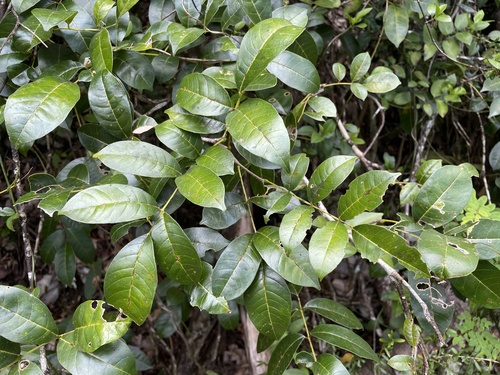
geno
Lonchocarpus glaucifolius
Photo: Photo: (c) Steve Maldonado Silvestrini, some rights reserved (CC BY-NC), uploaded by Steve Maldonado Silvestrini
Overview
Lonchocarpus glaucifolius, commonly known as geno, is a leguminous tree species in the Fabaceae family characterized by its distinctive bluish-green (glaucous) foliage and compound leaves. This tropical tree produces clusters of papilionaceous flowers typical of the legume family and plays a crucial ecological role as a nitrogen-fixing species that enriches soil fertility in its native forest ecosystems.
Lonchocarpus glaucifolius faces severe threats primarily from habitat destruction and fragmentation due to agricultural expansion and urban development in its limited range. The species has an extremely restricted distribution, making it highly vulnerable to localized threats and environmental changes.
Habitat
Geno occurs in lowland tropical rainforests and semi-deciduous forests, typically growing in well-drained soils along forest edges and in secondary growth areas. The species is also found in riparian zones and gallery forests where it benefits from consistent moisture availability.
Other threatened species in Fabaceae

Frequently asked questions
Why is geno classified as Critically Endangered?
Where does geno live?
What are the main threats to geno?
Get weekly conservation intelligence
One short digest a week of the most striking species and country data we ship, plus breaking conservation news paired with our database where it matters.
Free, no spam. One-click unsubscribe in every email.