
Parhelophilus versicolor
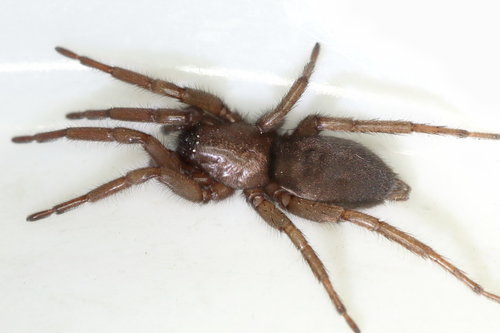
Photo: Wikimedia Commons (CC) via https://en.wikipedia.org/wiki/Parhelophilus_versicolor
Overview
A detailed profile for this species is sourced from the IUCN Red List of Threatened Species as assessments become available.
Parhelophilus versicolor faces significant population declines primarily due to the loss and degradation of its specialized wetland habitats. Agricultural intensification and urban development have reduced the availability of clean, shallow water bodies with emergent vegetation that this hoverfly requires for breeding. Water pollution from agricultural runoff and pesticide use further compromises the quality of remaining suitable habitats, affecting both larval development and adult foraging opportunities.
Habitat
This hoverfly species inhabits clean, shallow freshwater environments including marshes, pond margins, and slow-flowing streams with abundant emergent vegetation. The larvae develop in organically rich sediments of these aquatic habitats, while adults require nearby flowering plants for nectar feeding.
Other threatened species in Syrphidae


Threatened in Åland Islands


Frequently asked questions
Why is Parhelophilus versicolor classified as Vulnerable?
Where does Parhelophilus versicolor live?
What are the main threats to Parhelophilus versicolor?
Get weekly conservation intelligence
One short digest a week of the most striking species and country data we ship, plus breaking conservation news paired with our database where it matters.
Free, no spam. One-click unsubscribe in every email.