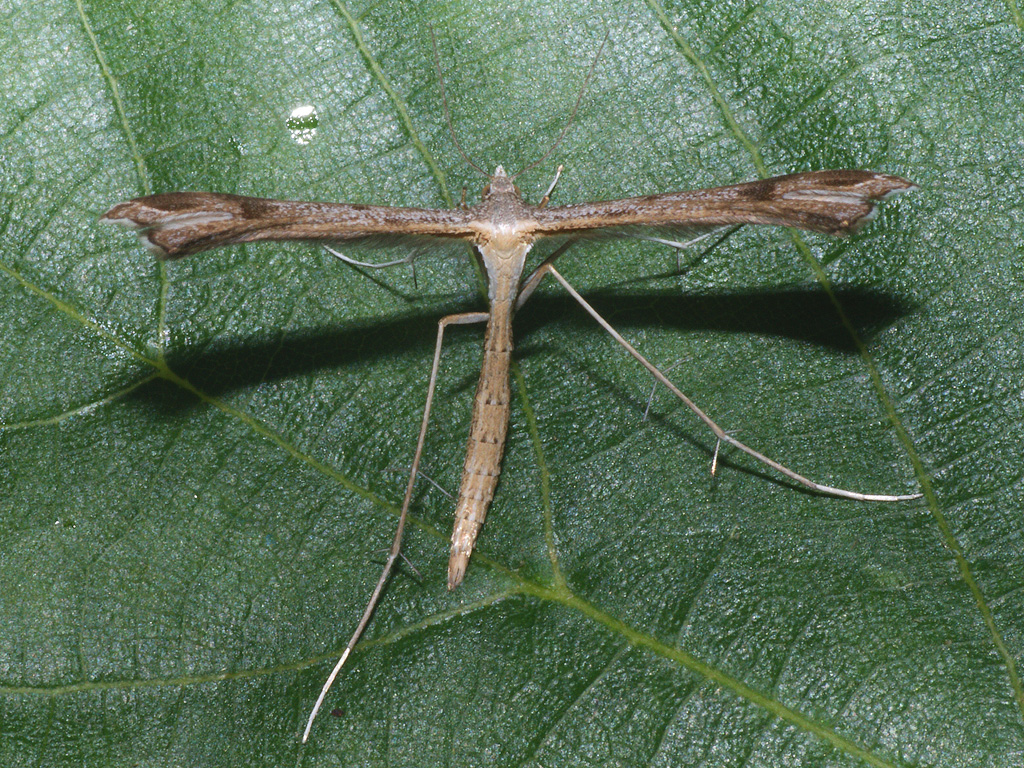
Gentian Plume
Stenoptilia pneumonanthes
Photo: Wikimedia Commons (CC) via https://en.wikipedia.org/wiki/Stenoptilia_pneumonanthes
Overview
Stenoptilia pneumonanthes, also known as the gentian plume, is a moth of the family Pterophoridae found in central Europe and Russia. It was first described by Friedrich Otto Büttner in 1880.
The Gentian Plume moth is critically endangered primarily due to habitat loss and degradation of its specialized wetland environments where its host plant, marsh gentian, grows. The species faces severe population decline from drainage of fens and marshes, agricultural intensification, and changes in traditional land management practices that maintained suitable habitat conditions.
Habitat
Other threatened species in Pterophoridae


Threatened in Austria
Frequently asked questions
Why is Gentian Plume classified as Critically Endangered?
Where does Gentian Plume live?
What are the main threats to Gentian Plume?
Get weekly conservation intelligence
One short digest a week of the most striking species and country data we ship, plus breaking conservation news paired with our database where it matters.
Free, no spam. One-click unsubscribe in every email.