
Ghost Orchid
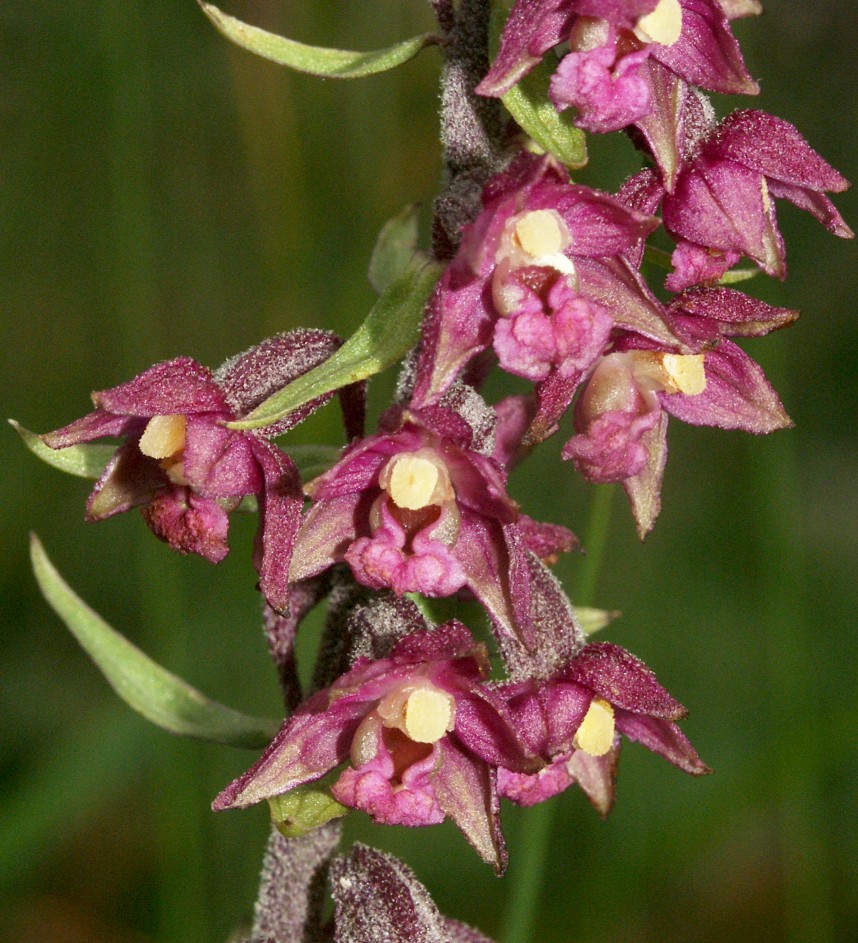
Epipogium aphyllum
Photo: Wikimedia Commons (CC) via https://en.wikipedia.org/wiki/Epipogium_aphyllum
Overview
A detailed profile for this species is sourced from the IUCN Red List of Threatened Species as assessments become available.
The Ghost Orchid faces severe decline due to its extreme dependence on specific mycorrhizal fungi and mature forest ecosystems. Habitat fragmentation and forest management practices that alter soil chemistry and fungal networks pose the greatest threats. Climate change compounds these pressures by disrupting the delicate temperature and moisture conditions required for both the orchid and its fungal partners to survive.
Habitat
The Ghost Orchid inhabits mature deciduous and mixed forests with deep leaf litter and stable soil fungal communities, particularly beech and oak woodlands. It requires undisturbed forest floors with specific mycorrhizal fungi that form essential partnerships for the plant's survival, as it lacks chlorophyll and depends entirely on these fungal relationships for nutrition.
Other threatened species in Orchidaceae
Frequently asked questions
Why is Ghost Orchid classified as Vulnerable?
Where does Ghost Orchid live?
What are the main threats to Ghost Orchid?
Get weekly conservation intelligence
One short digest a week of the most striking species and country data we ship, plus breaking conservation news paired with our database where it matters.
Free, no spam. One-click unsubscribe in every email.