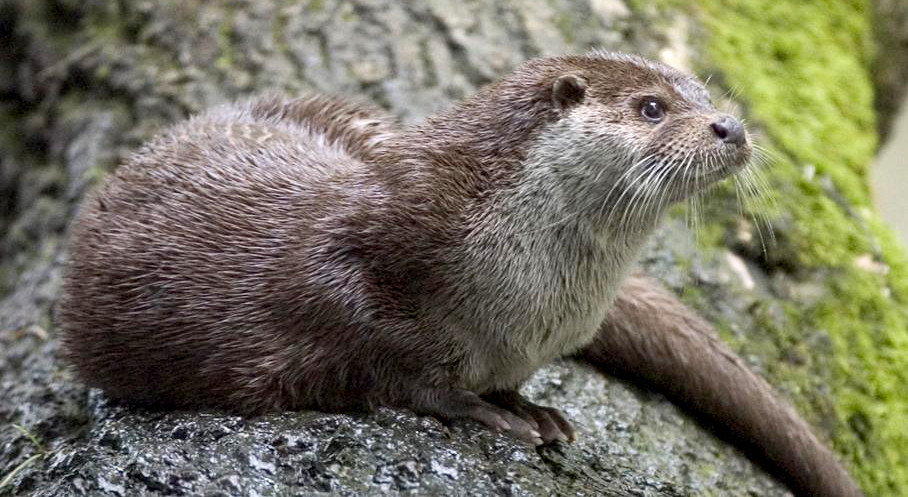
Common Otter
Lutra lutra
Photo: Wikimedia Commons (CC) via https://en.wikipedia.org/wiki/Eurasian_otter
Overview
A detailed profile for this species is sourced from the IUCN Red List of Threatened Species as assessments become available.
European Otters face significant pressure from habitat degradation through river pollution, particularly from agricultural runoff and industrial contaminants that reduce fish populations. Historical persecution and hunting severely depleted populations across much of their range, while modern threats include road mortality as otters cross between waterways, and habitat fragmentation from dam construction and river channelization that isolates breeding populations.
Habitat
European Otters inhabit freshwater environments including rivers, streams, lakes, and coastal areas with adequate fish populations and suitable denning sites along vegetated banks. They require clean water systems with minimal pollution and connected waterway networks that allow for territorial movement and breeding dispersal.
Other threatened species in Mustelidae


Frequently asked questions
Why is Common Otter classified as Vulnerable?
Where does Common Otter live?
What are the main threats to Common Otter?
Get weekly conservation intelligence
One short digest a week of the most striking species and country data we ship, plus breaking conservation news paired with our database where it matters.
Free, no spam. One-click unsubscribe in every email.