
Eurasian Wryneck
Jynx torquilla
Photo: Wikimedia Commons (CC) via https://en.wikipedia.org/wiki/Eurasian_wryneck
Overview
The Eurasian wryneck or northern wryneck is a species of wryneck in the woodpecker family. It mainly breeds in temperate regions of Europe and Asia. Most populations are migratory, wintering in tropical Africa and in southern Asia from Iran to the Indian subcontinent, but some are resident in northwestern Africa. It is a bird of open countryside, woodland and orchards.
The Eurasian Wryneck faces severe population declines primarily due to habitat loss from agricultural intensification and urbanization, which eliminates the open woodlands and parklands it requires for nesting and foraging. Climate change is altering the timing of ant emergence, disrupting the species' specialized feeding ecology, while pesticide use reduces its primary food sources.
Habitat
A Eurasian wryneck making calls The Eurasian wryneck has a palearctic distribution. The breeding range of the nominate subspecies includes all of Europe to the Urals, except Great Britain (where it died out as a breeding bird in the late 20th century, but is still regular in small numbers on migration), Ireland, and Iceland. Eurasian wrynecks also inhabit the island of Sakhalin, Japan and the...
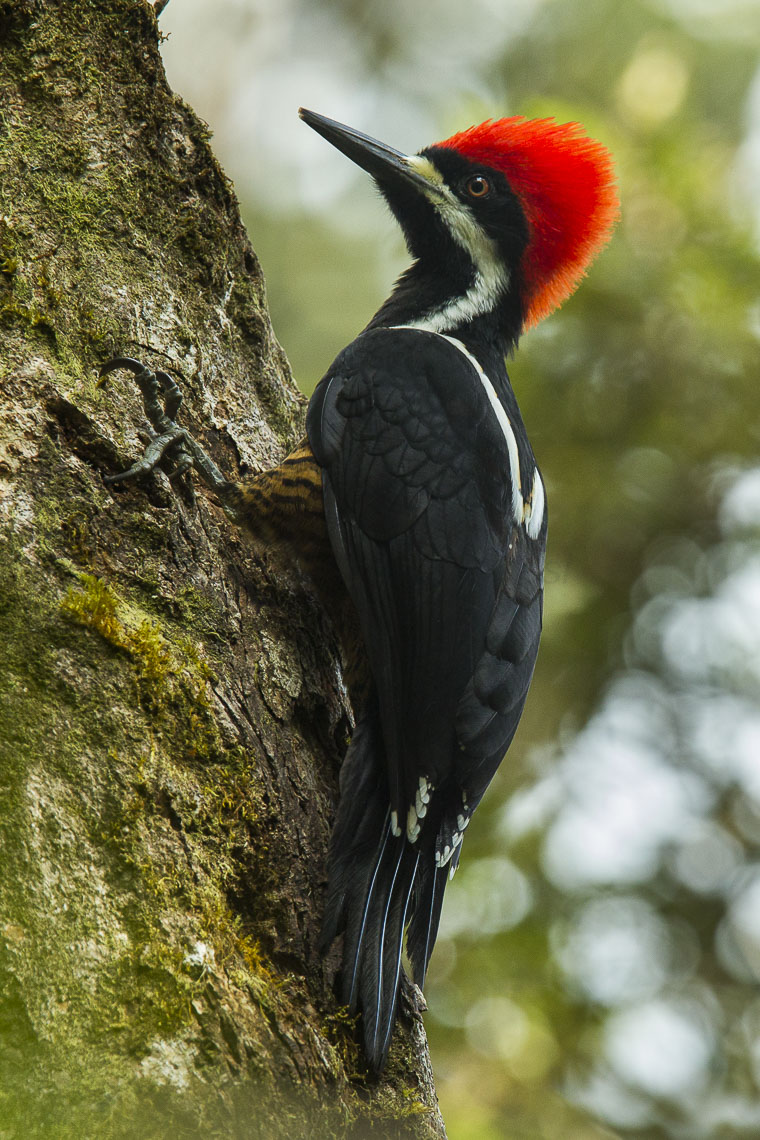
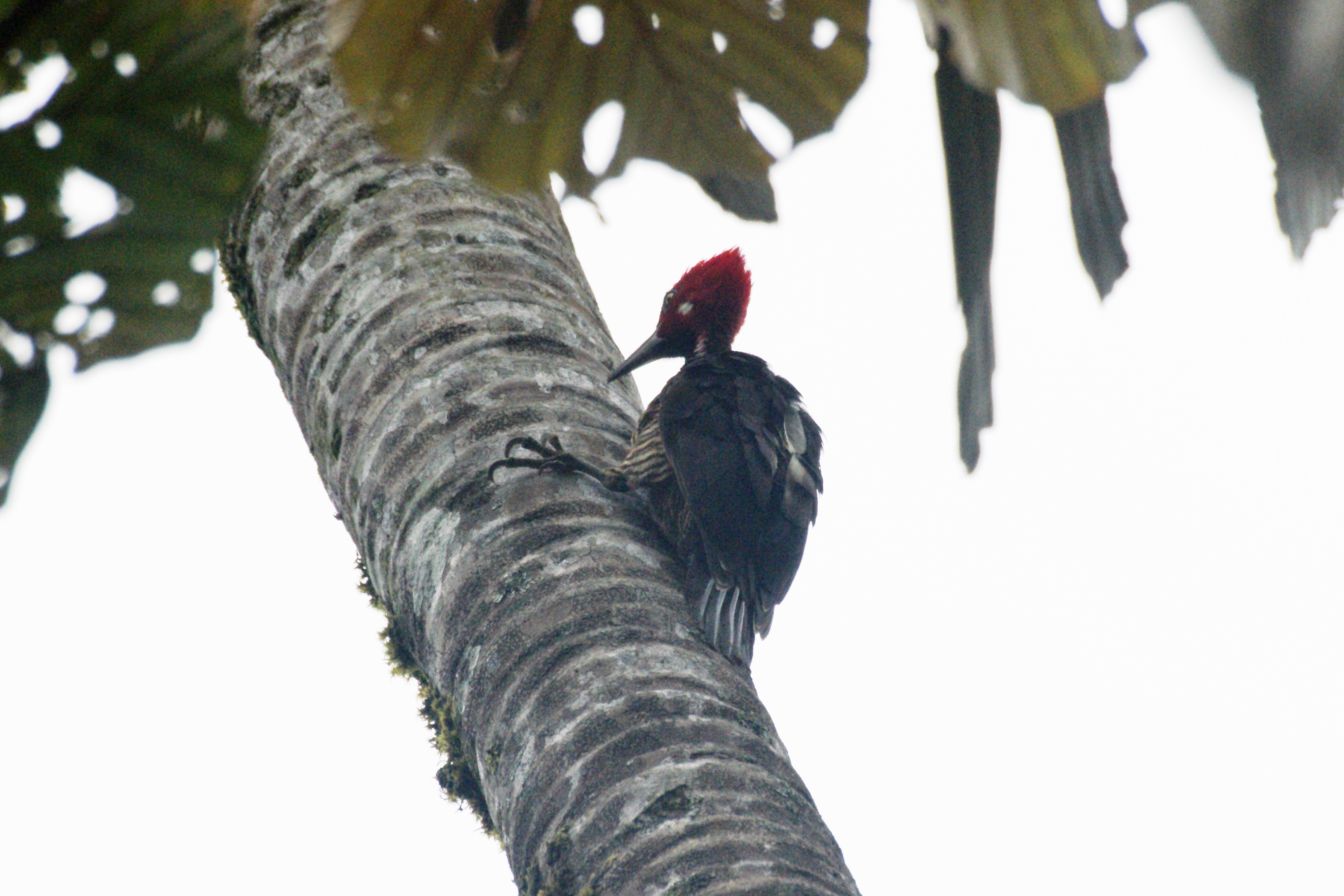
Other threatened species in Picidae


Frequently asked questions
Why is Eurasian Wryneck classified as Critically Endangered?
Where does Eurasian Wryneck live?
What are the main threats to Eurasian Wryneck?
Get weekly conservation intelligence
One short digest a week of the most striking species and country data we ship, plus breaking conservation news paired with our database where it matters.
Free, no spam. One-click unsubscribe in every email.