
Eupithecia immundata
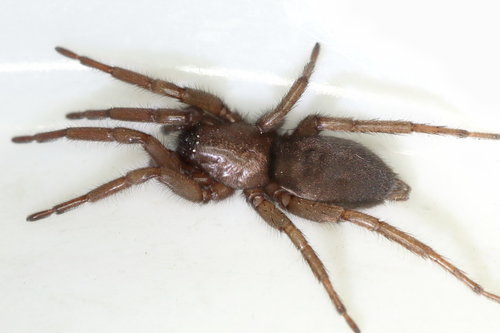
Photo: Wikimedia Commons (CC) via https://en.wikipedia.org/wiki/Eupithecia_immundata
Overview
A detailed profile for this species is sourced from the IUCN Red List of Threatened Species as assessments become available.
Eupithecia immundata faces significant pressure from habitat degradation in its specialized woodland environments, where its larvae depend on specific host plants including Actaea species (baneberries). Climate change poses an additional threat by altering the phenology of both the moth and its host plants, potentially disrupting critical breeding cycles. Forest fragmentation and intensive forestry practices further reduce the availability of suitable breeding sites across its European range.
Habitat
This species inhabits deciduous and mixed woodlands across Europe, particularly favoring areas with rich understory vegetation where its host plants, including Actaea spicata (baneberry), naturally occur. The moth requires mature forest ecosystems with stable microclimates and diverse plant communities to support its specialized larval feeding requirements.
Other threatened species in Geometridae


Threatened in Åland Islands


Frequently asked questions
Why is Eupithecia immundata classified as Vulnerable?
Where does Eupithecia immundata live?
What are the main threats to Eupithecia immundata?
Get weekly conservation intelligence
One short digest a week of the most striking species and country data we ship, plus breaking conservation news paired with our database where it matters.
Free, no spam. One-click unsubscribe in every email.