
Essex Groundling
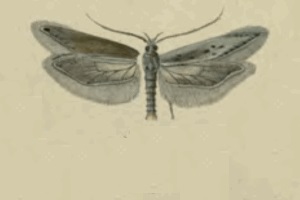
Scrobipalpula diffluella
Photo: Wikimedia Commons (CC) via https://en.wikipedia.org/wiki/Scrobipalpula_diffluella
Overview
Scrobipalpula diffluella, the Essex groundling, is a moth of the family Gelechiidae. It is found in northern Europe, and central Europe. There are scattered records from Great Britain and the Balkan Peninsula.
The Essex Groundling is critically threatened by habitat loss due to coastal development and agricultural intensification in its limited range along the Essex coast. Climate change and sea level rise pose additional threats to its specialized saltmarsh habitats, while the species' extremely restricted distribution makes it vulnerable to local extinctions from any disturbance events.
Habitat
Other threatened species in Gelechiidae


Threatened in Austria
Frequently asked questions
Why is Essex Groundling classified as Endangered?
Where does Essex Groundling live?
What are the main threats to Essex Groundling?
Get weekly conservation intelligence
One short digest a week of the most striking species and country data we ship, plus breaking conservation news paired with our database where it matters.
Free, no spam. One-click unsubscribe in every email.