
Eudonia laetella
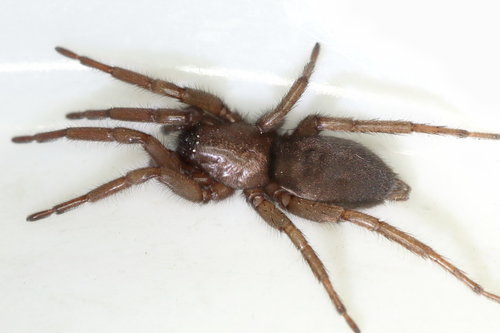
Photo: Wikimedia Commons (CC) via https://en.wikipedia.org/wiki/Eudonia_laetella
Overview
Eudonia laetella is a species of moth in the family Crambidae described by Philipp Christoph Zeller in 1846. It is found in Fennoscandia, the Baltic region, Belarus, Russia, Poland, the Czech Republic, Slovakia, Hungary, Romania, Bosnia and Herzegovina, the Republic of Macedonia, Greece, Slovenia, Austria, Switzerland, Italy, Germany and Belgium.
Eudonia laetella faces severe population decline primarily due to habitat loss and degradation of its specialized grassland and heathland environments. Agricultural intensification, urbanization, and changes in traditional land management practices have significantly reduced the availability of suitable breeding and feeding habitats for this moth species.
Other threatened species in Crambidae


Threatened in Åland Islands


Frequently asked questions
Why is Eudonia laetella classified as Endangered?
Where does Eudonia laetella live?
What are the main threats to Eudonia laetella?
Get weekly conservation intelligence
One short digest a week of the most striking species and country data we ship, plus breaking conservation news paired with our database where it matters.
Free, no spam. One-click unsubscribe in every email.