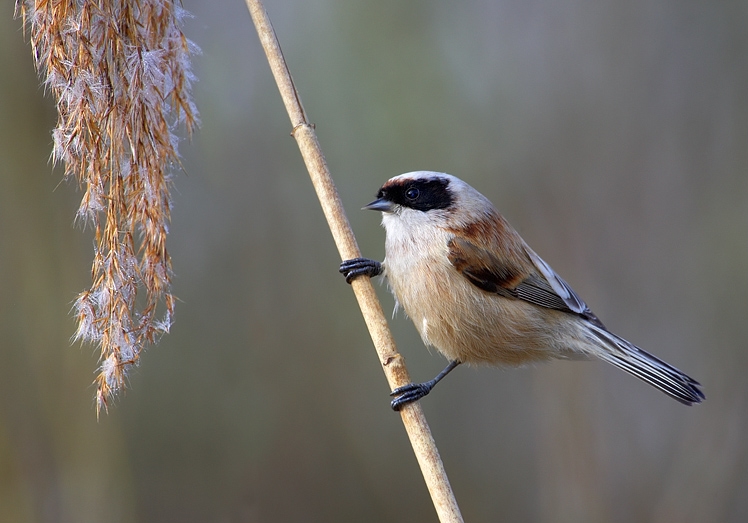
Common Penduline-Tit
Remiz pendulinus
Photo: Wikimedia Commons (CC) via https://en.wikipedia.org/wiki/Eurasian_penduline_tit
Overview
The Eurasian penduline tit or European penduline tit is a passerine bird of the genus Remiz. It is relatively widespread throughout the western Palearctic. It is migratory in the northern part of its range but resident in the southern part.
The Eurasian Penduline Tit faces significant population declines primarily due to habitat loss and degradation of wetland and riparian ecosystems where it builds its distinctive hanging nests. Climate change is altering the timing of insect emergence, disrupting the species' breeding cycle and food availability. Agricultural intensification and water management practices have reduced suitable nesting sites along rivers and marshes.
Habitat
Frequently asked questions
Why is Common Penduline-Tit classified as Critically Endangered?
Where does Common Penduline-Tit live?
What are the main threats to Common Penduline-Tit?
Get weekly conservation intelligence
One short digest a week of the most striking species and country data we ship, plus breaking conservation news paired with our database where it matters.
Free, no spam. One-click unsubscribe in every email.