Species Explorer
Browse and search species from the IUCN Red List and GBIF.
54,666 species

sydlig skogsvedblomfluga
ENTemnostoma meridionale
sydlig snyltvägstekel
CREvagetes gibbulus
Evagetes gibbulus faces severe population declines due to habitat loss from agricultural intensification and urban development across its range. The species' specialized parasitoid lifestyle makes it particularly vulnerable to disruptions in host spider populations and the specific microhabitats required for successful reproduction.
Sylmose
ENAtractylocarpus alpinus
Syren-rødblad
CREntoloma syringicolor
Entoloma syringicolor faces severe threats from habitat degradation and loss of suitable forest ecosystems where it forms mycorrhizal associations. The species' specialized ecological requirements and limited distribution make it particularly vulnerable to environmental changes and human disturbance of its forest habitats.

Syrphid Fly
ENEristalinus aeneus
This species faces significant pressure from habitat degradation, particularly the loss of clean freshwater breeding sites due to pollution and agricultural runoff. Climate change and the widespread use of pesticides in agricultural landscapes further threaten both adult populations and their aquatic larval development sites.
sysiharjakas
VUWormaldia subnigra
Tabla
ENRineloricaria caracasensis

Tacarcuna Tapaculo
VUScytalopus panamensis
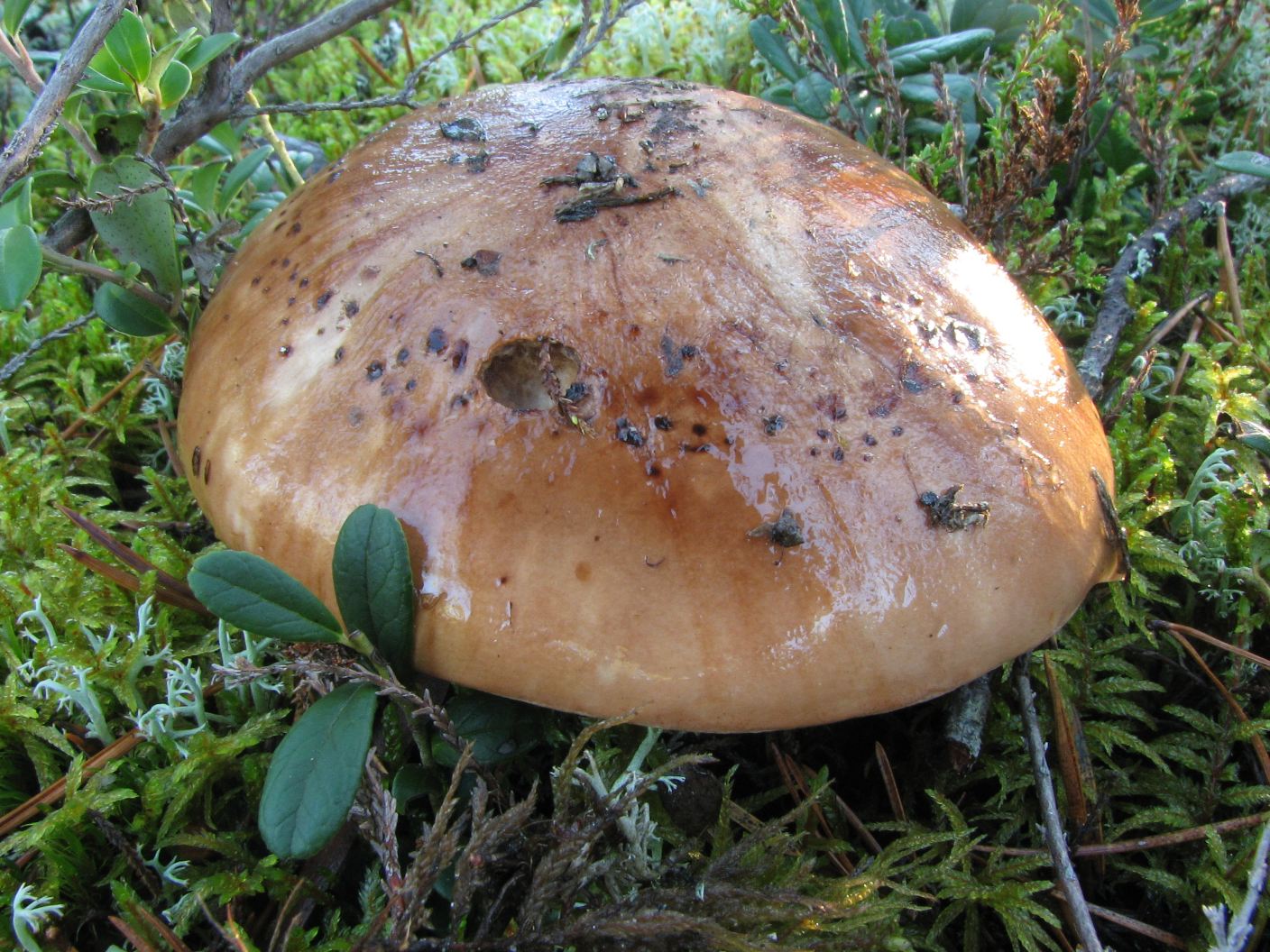
Tacked Knight
CRTricholoma pessundatum
The Tacked Knight faces severe population declines due to widespread habitat destruction from deforestation and agricultural conversion of its specialized forest ecosystems. Climate change is altering the delicate soil chemistry and mycorrhizal relationships essential for this fungus, while pollution from agricultural runoff and industrial activities degrades the pristine conditions it requires for reproduction and survival.

Taczanowski's Oldfield Mouse
VUThomasomys taczanowskii

Tadpole Shrimp
VUTriops cancriformis
taggig hjorttryffel
ENElaphomyces aculeatus
taggig svartbagge
CREledonoprius armatus
Eledonoprius armatus faces severe population declines due to widespread habitat destruction from deforestation and agricultural expansion across its limited range. The species' dependence on old-growth forest ecosystems makes it particularly vulnerable to logging activities and forest fragmentation, while its specialized ecological requirements limit its ability to adapt to modified landscapes.
tågvivel
VUBagous lutulosus
taigabuskblomsterfluge
VUParasyrphus proximus
taigasnyltekjuke
VUAntrodiella pallasii
taigavedveps
ENSymmorphus angustatus

tajgablomfluga
VUSphecomyia vespiformis
tajgaporing
VUInonotopsis subiculosa

tajgaskinn
VULaurilia sulcata
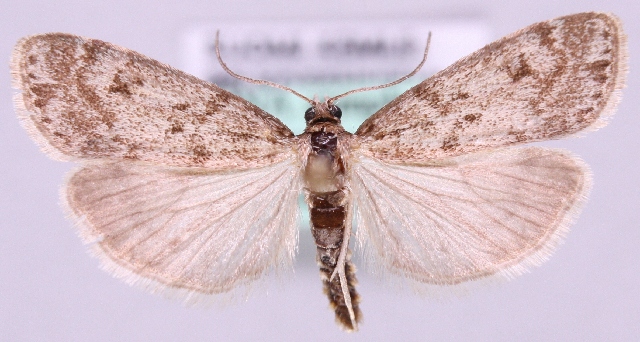
tajgaugglemott
ENEudonia aequalis

Talamanca Rocket Frog
VUAllobates talamancae

Tall Aloe-moss
VUAloina ambigua
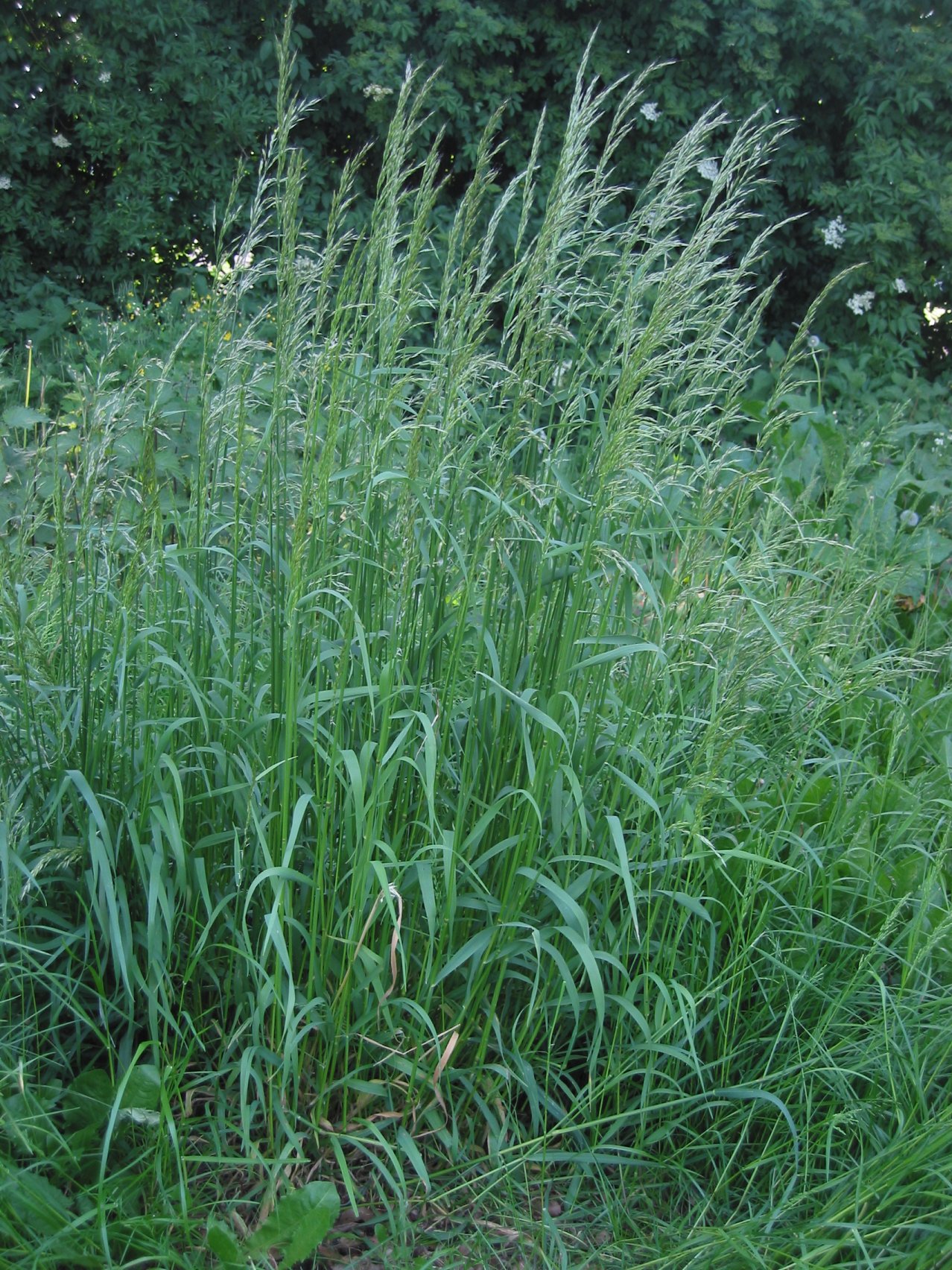
Tall Oatgrass
VUArrhenatherum elatius

Tall Sea Pen
VUFuniculina quadrangularis

tallbarksmal
VUElatobia fuliginosella
tallgångbagge
CRCerylon impressum
Cerylon impressum faces severe threats primarily from habitat loss due to deforestation and forest degradation, which destroys the dead wood substrates essential for its survival. The species' specialized ecological requirements and limited dispersal ability make populations highly vulnerable to fragmentation and local extinctions. Climate change may further exacerbate these pressures by altering forest composition and moisture regimes critical for fungal decay processes.
tallsotblomfluga
VUPsilota atra
tallsvampmal
ENAgnathosia sandoeensis

Tamarisk Scalewort
VUFrullania tamarisci

Tanager-finch
VUOreothraupis arremonops
Tandapi Giant Glass Frog
VUCentrolene peristictum

Tandapi Robber Frog
VUPristimantis nyctophylax

Tandilean Red-belly Toad
VUMelanophryniscus montevidensis

Tangalin
VUAdenanthera intermedia
Taper-leaved Earth-moss
ENPleuridium acuminatum
Täpläkotiloahven
CRLamprologus kungweensis
Lamprologus kungweensis faces threats from habitat degradation caused by sedimentation and water quality changes in Lake Tanganyika. Human activities including agriculture and deforestation in the lake's watershed contribute to environmental pressures on this endemic species.
Tardy Brittlegill
ENRussula cessans
taregråedderkopp
VUHaplodrassus minor

Tarn Lecanora
ENProtoparmeliopsis achariana
tårögd småstävmal
VUGnorimoschema valesiella

Tartaric Saucer Lichen
ENOchrolechia tartarea
Tasmanian Freshwater 'Limpet'
CRAncylastrum cumingianum
The Tasmanian Freshwater 'Limpet' faces severe threats from habitat degradation due to agricultural runoff, sedimentation, and water pollution in Tasmania's freshwater systems. Its extremely limited distribution makes it highly vulnerable to local environmental changes, while introduced species and altered flow regimes from dam construction and water extraction further compromise its survival.
Tassel Stonewort
VUTolypella intricata
tät korallorangelav
CRBlastenia coralliza
Blastenia coralliza faces severe threats from air pollution and acid rain, which directly damage its thallus and disrupt the delicate chemical balance required for photosynthesis. Urban development and industrial activities have eliminated much of its suitable habitat, while climate change is altering the specific atmospheric conditions this sensitive lichen requires for survival.

Tatarsmelle
CRSilene tatarica
Silene tatarica faces severe population declines due to habitat destruction from agricultural expansion and urban development across its limited range. The species is particularly vulnerable due to its restricted distribution and specialized habitat requirements, with remaining populations increasingly fragmented and isolated.
Taupin porte-coeur dépassé
CRCardiophorus gramineus
Cardiophorus gramineus faces severe population declines due to widespread habitat destruction from agricultural intensification and urban development across its range. The species' specialized habitat requirements make it particularly vulnerable to landscape fragmentation, while climate change is altering the moisture and temperature conditions essential for its survival.

Tawny Pipit
ENAnthus campestris
The Tawny Pipit faces severe population declines primarily due to widespread habitat loss from agricultural intensification and urban development across its breeding and wintering ranges. Climate change is altering precipitation patterns and vegetation structure in its preferred open habitats, while increased pesticide use reduces insect prey availability.

Tawny Riverbank Ground Beetle
ENTrechus rubens
Tawny Sedge
CRCarex hostiana
Tawny Sedge faces severe population declines due to widespread habitat loss from agricultural intensification, drainage of wetlands, and changes in traditional land management practices. The species' specialized requirements for calcium-rich, seasonally wet soils make it particularly vulnerable to hydrological changes and nutrient enrichment from agricultural runoff.