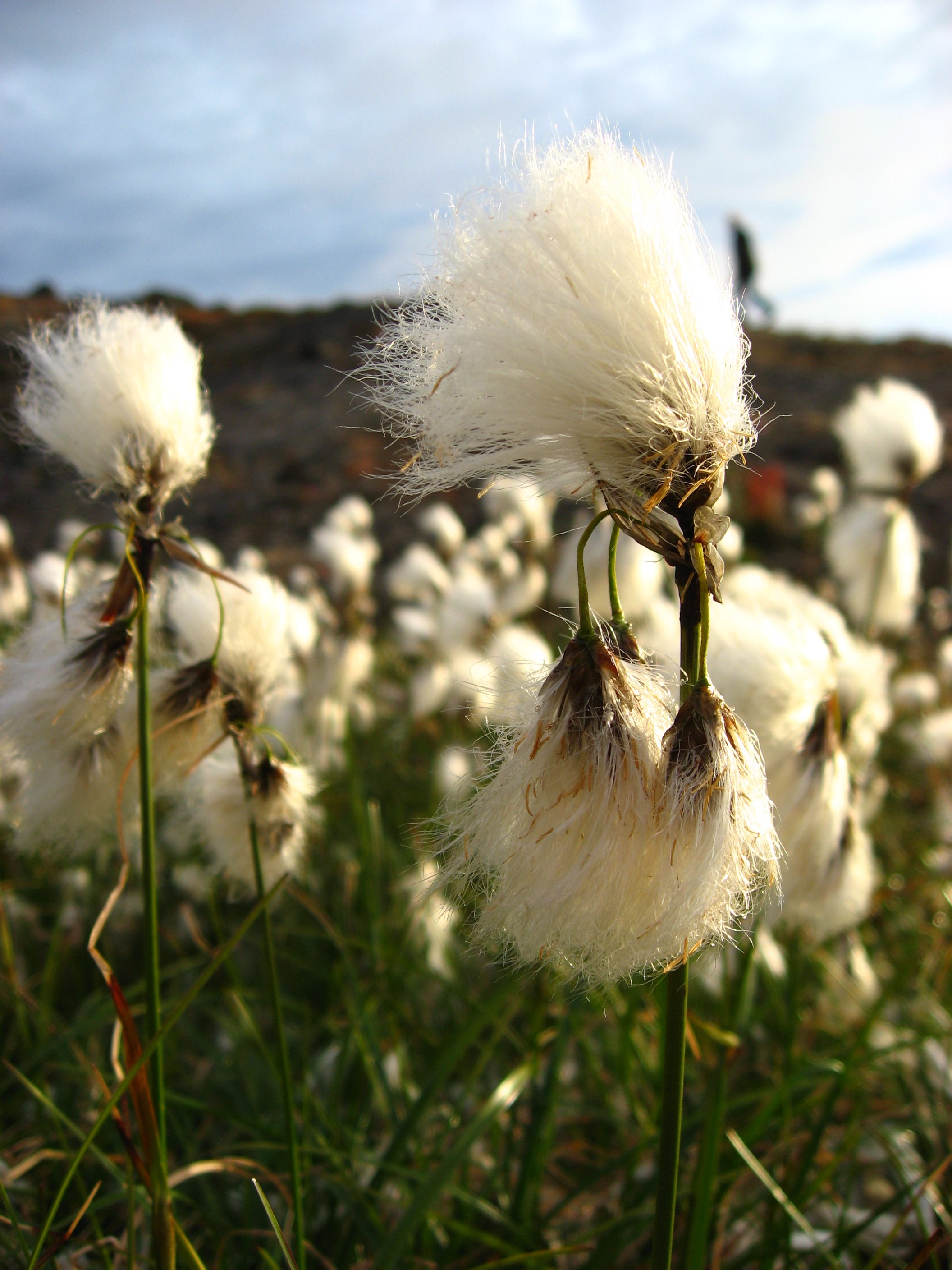
Bog-cotton
Eriophorum angustifolium
Photo: Wikimedia Commons (CC) via https://en.wikipedia.org/wiki/Eriophorum_angustifolium
Overview
A detailed profile for this species is sourced from the IUCN Red List of Threatened Species as assessments become available.
Thin-scale Cottongrass faces severe pressure from wetland drainage and peat extraction across its range, with bog habitats being converted for agriculture and forestry. Climate change poses an additional threat through altered precipitation patterns and rising temperatures that affect the delicate hydrology of peat bogs. Nitrogen deposition from agricultural runoff and air pollution further degrades the nutrient-poor conditions this species requires to compete effectively with other vegetation.
Habitat
Thin-scale Cottongrass inhabits acidic peat bogs, fens, and wet moorlands, typically in nutrient-poor, waterlogged soils with pH levels below 5.5. The species thrives in open wetland areas with consistent moisture levels and minimal competition from woody vegetation.
Other threatened species in Cyperaceae


Frequently asked questions
Why is Bog-cotton classified as Vulnerable?
Where does Bog-cotton live?
What are the main threats to Bog-cotton?
Get weekly conservation intelligence
One short digest a week of the most striking species and country data we ship, plus breaking conservation news paired with our database where it matters.
Free, no spam. One-click unsubscribe in every email.