Carphoborus teplouchovi
Overview
A detailed profile for this species is sourced from the IUCN Red List of Threatened Species as assessments become available.
Teplouchov's bark beetle faces significant pressure from forest management practices that remove dead and dying trees, eliminating the decaying wood substrates essential for its reproduction. Climate change poses an additional threat by altering forest composition and the availability of suitable host trees. The species' specialized habitat requirements and limited dispersal ability make it particularly vulnerable to habitat fragmentation in managed forest landscapes.
Habitat
This bark beetle inhabits mature and old-growth coniferous forests, particularly those with abundant dead and decaying wood. It requires specific microhabitat conditions found in the bark and wood of dying or recently dead coniferous trees.
Other threatened species in Curculionidae
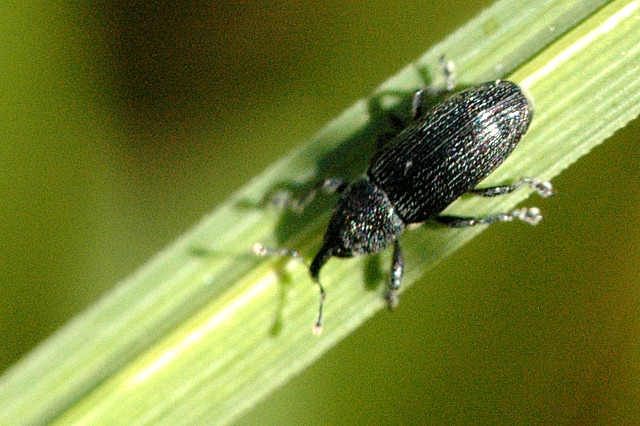

Threatened in Sweden
Frequently asked questions
Why is Carphoborus teplouchovi classified as Vulnerable?
Where does Carphoborus teplouchovi live?
What are the main threats to Carphoborus teplouchovi?
Get weekly conservation intelligence
One short digest a week of the most striking species and country data we ship, plus breaking conservation news paired with our database where it matters.
Free, no spam. One-click unsubscribe in every email.