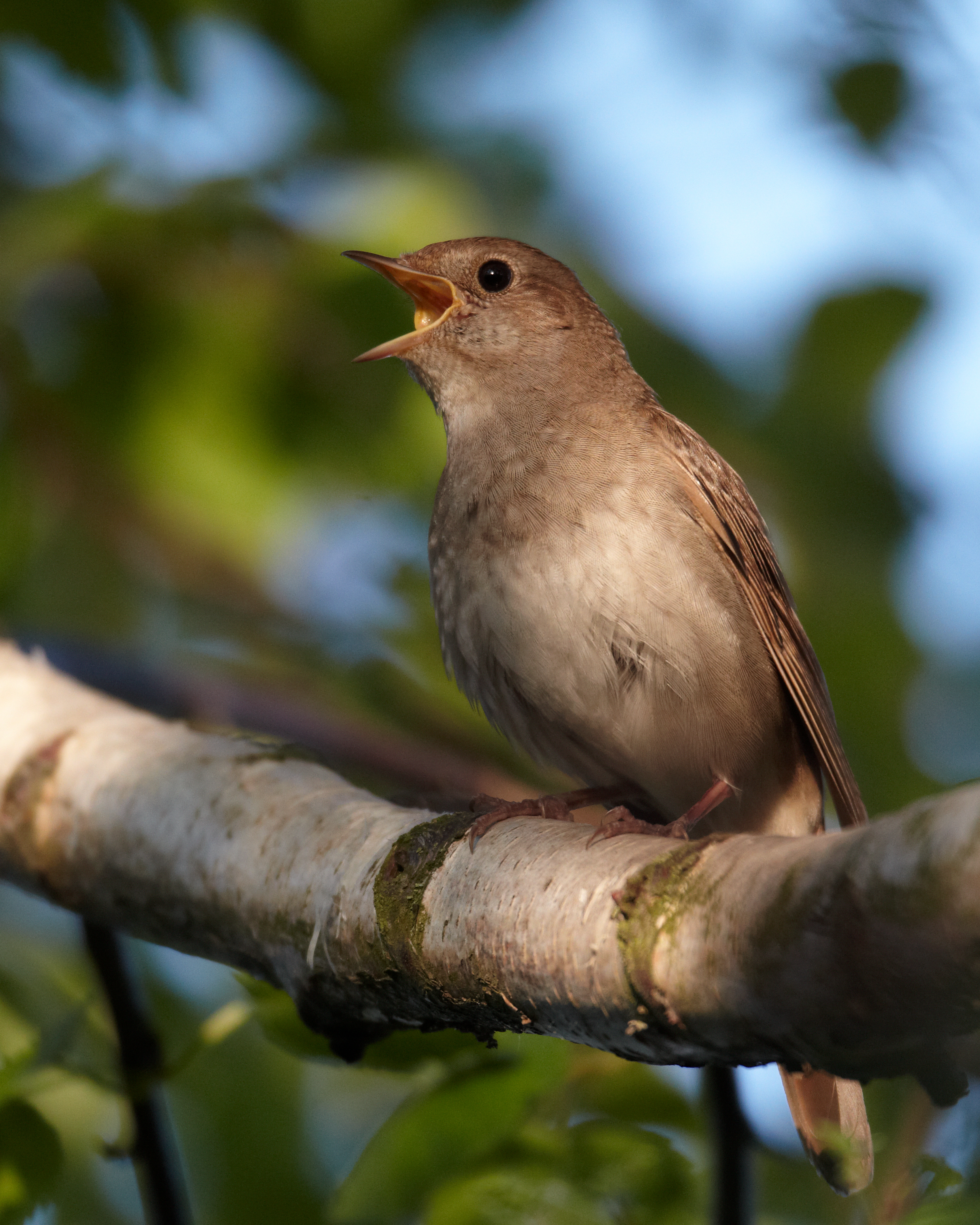
Thrush Nightingale
Luscinia luscinia
Photo: Wikimedia Commons (CC) via https://en.wikipedia.org/wiki/Thrush_nightingale
Overview
A detailed profile for this species is sourced from the IUCN Red List of Threatened Species as assessments become available.
The Thrush Nightingale faces significant population declines across its European breeding range, with habitat loss from agricultural intensification and urbanization being primary drivers. Climate change is altering the timing of insect emergence, creating mismatches with breeding cycles and reducing food availability during critical nesting periods. Additionally, habitat degradation in African wintering grounds and increased mortality during migration due to infrastructure development compound the species' vulnerability.
Habitat
Thrush Nightingales inhabit dense deciduous and mixed woodlands with rich understory vegetation, particularly favoring areas near water sources such as river valleys and wetland edges. During winter, they occupy woodland savannas and forest edges across sub-Saharan Africa.
Other threatened species in Muscicapidae


Frequently asked questions
Why is Thrush Nightingale classified as Vulnerable?
Where does Thrush Nightingale live?
What are the main threats to Thrush Nightingale?
Get weekly conservation intelligence
One short digest a week of the most striking species and country data we ship, plus breaking conservation news paired with our database where it matters.
Free, no spam. One-click unsubscribe in every email.