Species Explorer
Browse and search species from the IUCN Red List and GBIF.
54,666 species
parasietschriftmos
CROpegrapha rupestris
Opegrapha rupestris faces severe threats from air pollution and acid rain, which alter the chemistry of its rock substrates and directly damage lichen tissues. Habitat destruction through quarrying, construction, and urban development has eliminated many suitable rock surfaces, while climate change is shifting precipitation patterns and temperature regimes beyond the species' tolerance limits.
parasitic ghostplant
VUVoyria parasitica
parasitporing
VUAntrodiella parasitica
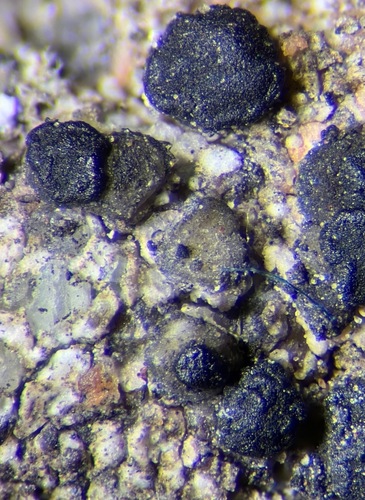
parasitsvartlav
CRCarbonea supersparsa
Parasitsvartlav faces severe threats from air pollution and acid rain, which degrade the air quality essential for this sensitive lichen species. Climate change and habitat loss from urbanization and industrial development further compromise the specialized substrates and environmental conditions this species requires for survival.
Parassi mullet, Stripped mullet
VUMugil incilis
parchment bristle fern
CRDidymoglossum hymenoides
The parchment bristle fern faces severe threats from habitat destruction and fragmentation of its specialized tropical forest environments. Its extremely limited distribution and dependence on specific microclimatic conditions make it highly vulnerable to environmental changes and human disturbance.
Pardose forestière
VUPardosa saltans
pärlbi
CRBiastes truncatus
The pärlbi faces severe population declines due to extensive deforestation and habitat fragmentation across its limited range in Southeast Asian tropical forests. Agricultural expansion, particularly oil palm plantations, has eliminated much of its primary forest habitat, while its specialized feeding requirements make it highly vulnerable to ecosystem disruption.
pärlskinn
VUPeniophorella guttulifera
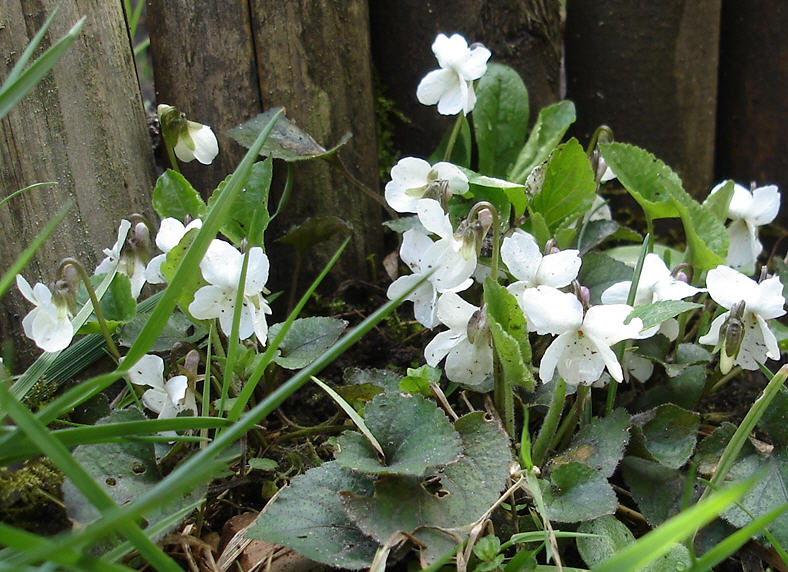
Parma violet
CRViola alba
Parma violet faces severe threats from habitat destruction due to agricultural expansion and urban development across its native range. The species is particularly vulnerable to changes in soil chemistry and moisture levels caused by intensive farming practices and climate change, which alter the specific conditions required for its survival.
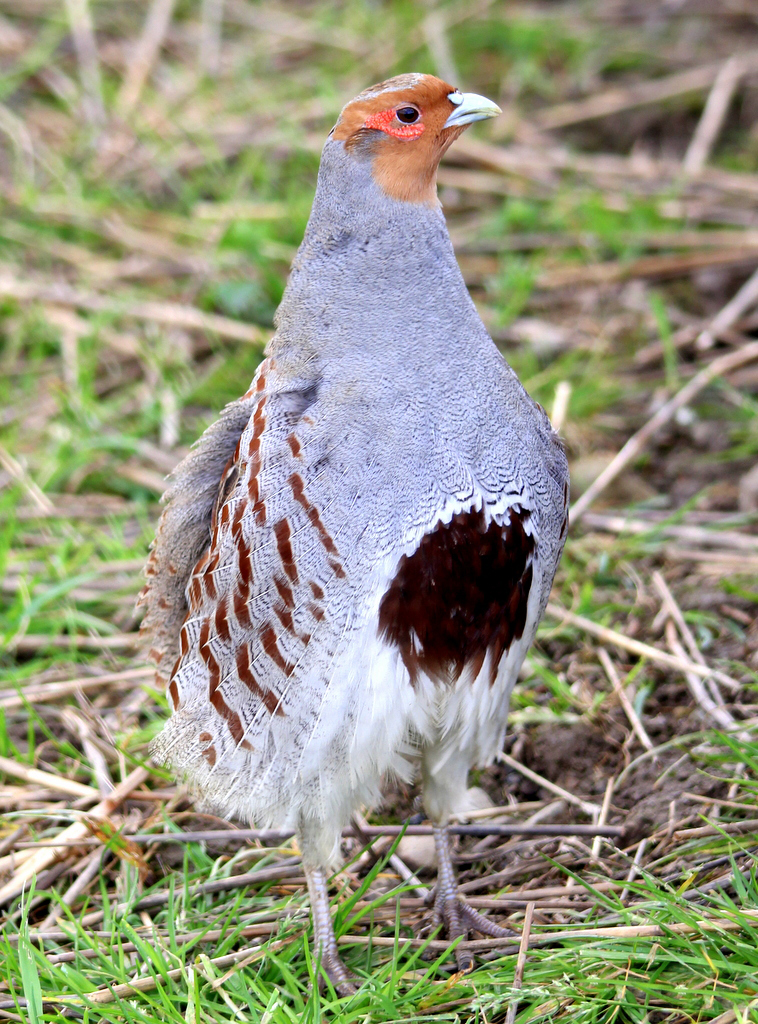
Partridge
VUPerdix perdix
Pascimmisci
VUGuarea velutina
Pashford Pot Beetle
CRCryptocephalus exiguus
The Pashford Pot Beetle faces severe population declines due to habitat loss from agricultural intensification and urban development across its limited range. Climate change is altering the specific microhabitat conditions this specialized beetle requires, while pollution from agricultural runoff degrades the quality of remaining suitable sites.
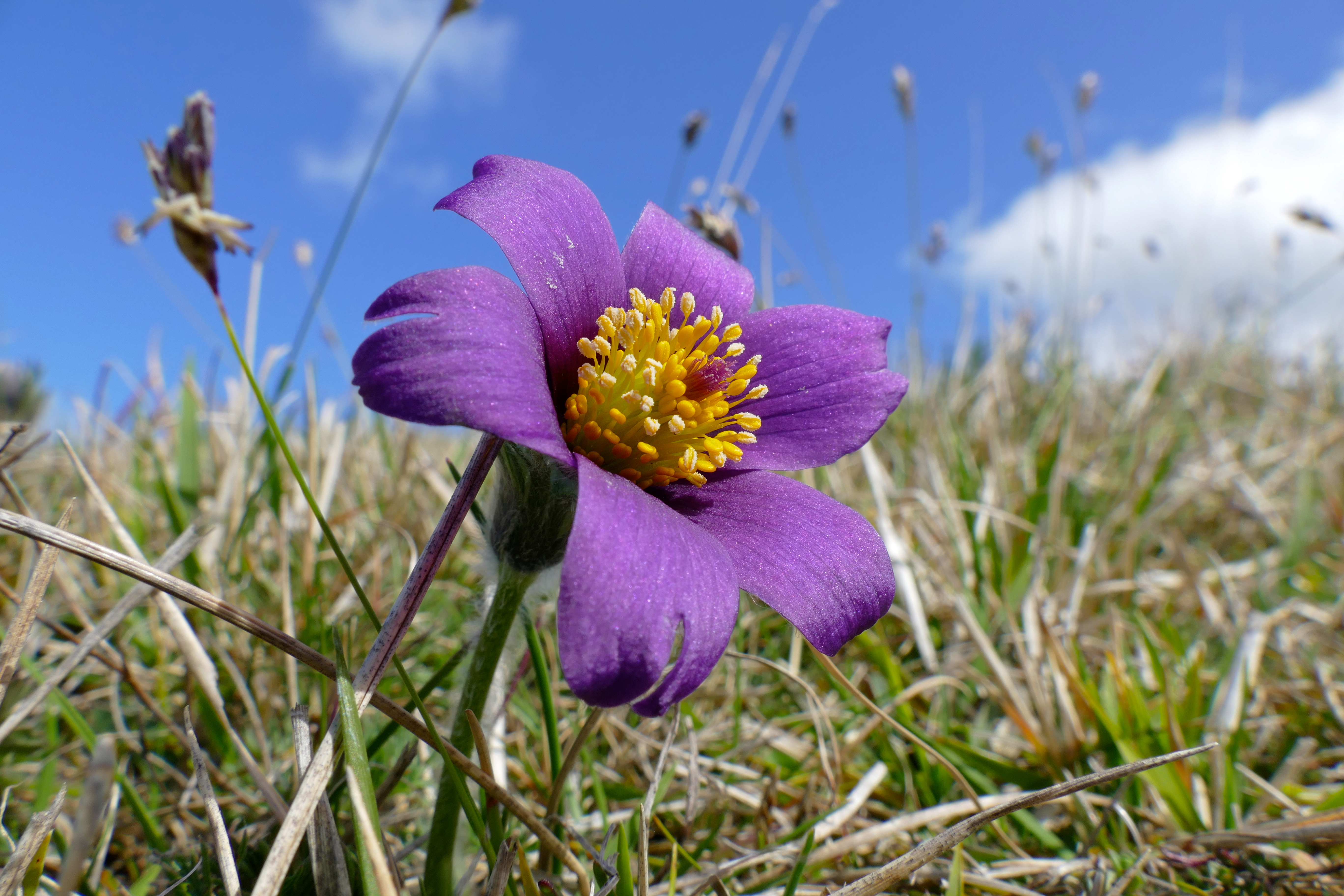
Pasqueflower
VUPulsatilla vulgaris

Pastaza River Caecilian
VUOscaecilia bassleri
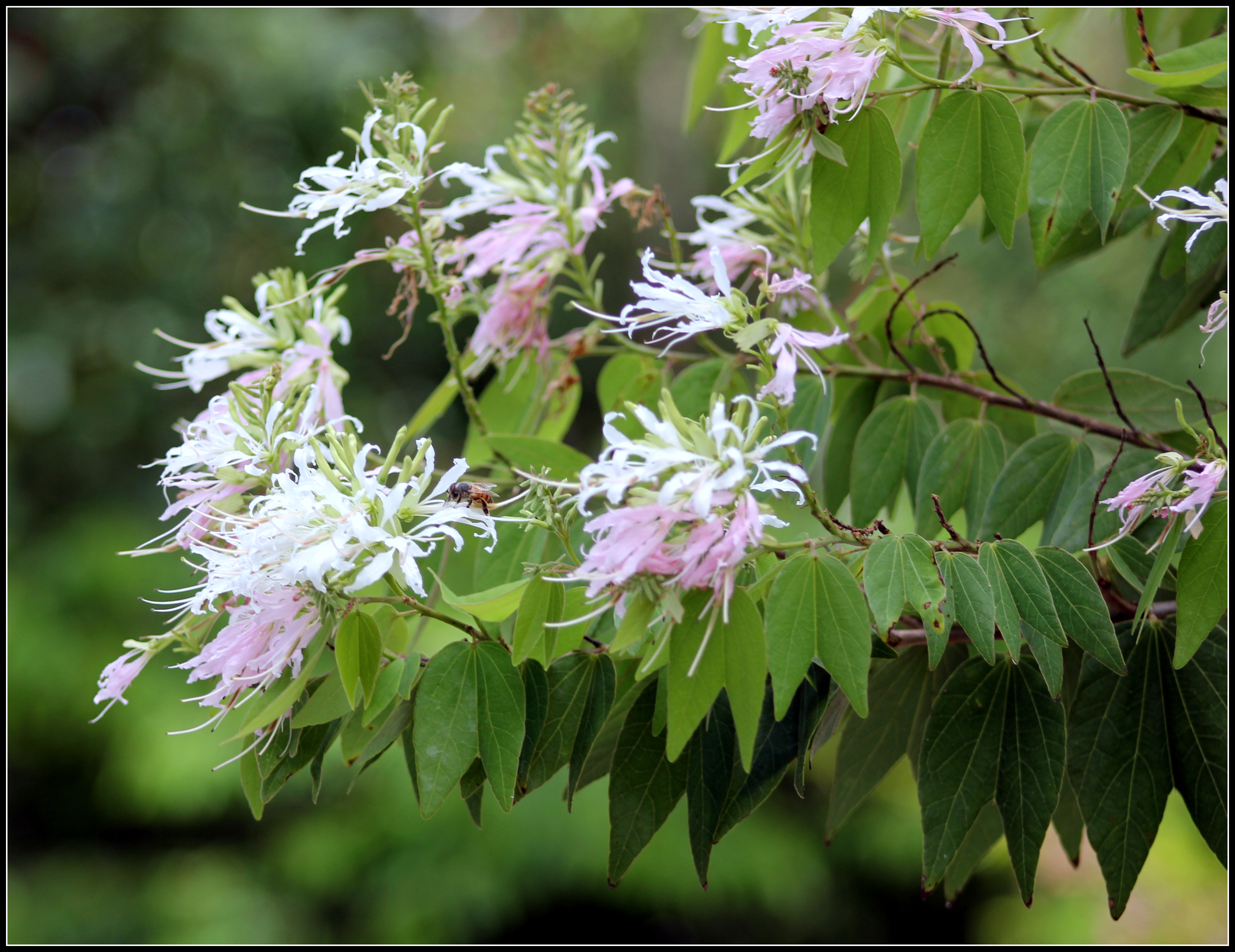
pata-de-vaca
VUBauhinia divaricata
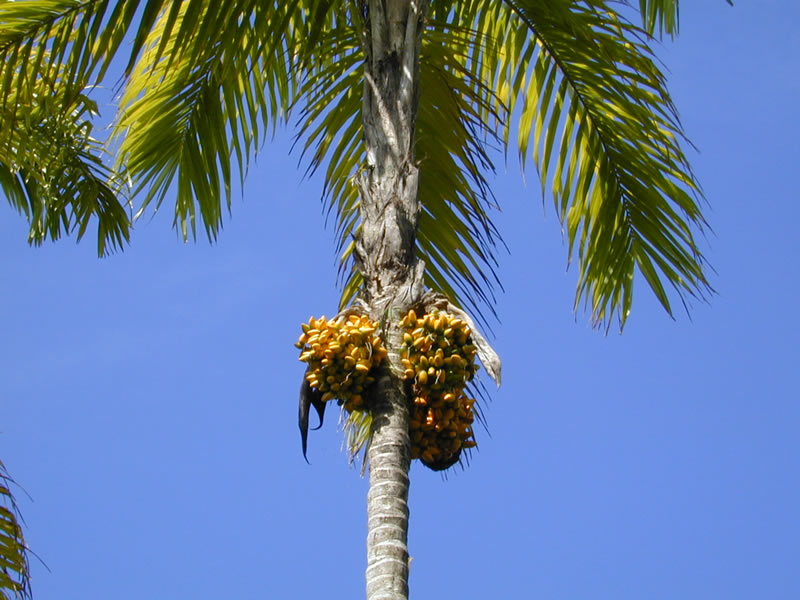
Peach Palm
VUBactris gasipaes

Peale's Free-tailed Bat
VUNyctinomops aurispinosus

Pear Weevil
VUMagdalis barbicornis
Pearl Laceleaf
CRAnthurium scandens
Pearl Laceleaf faces severe threats from habitat destruction due to deforestation and agricultural expansion throughout its native range in tropical Central and South America. The species' specialized epiphytic lifestyle makes it particularly vulnerable to forest fragmentation and climate change impacts that alter humidity and temperature conditions in its canopy habitat.
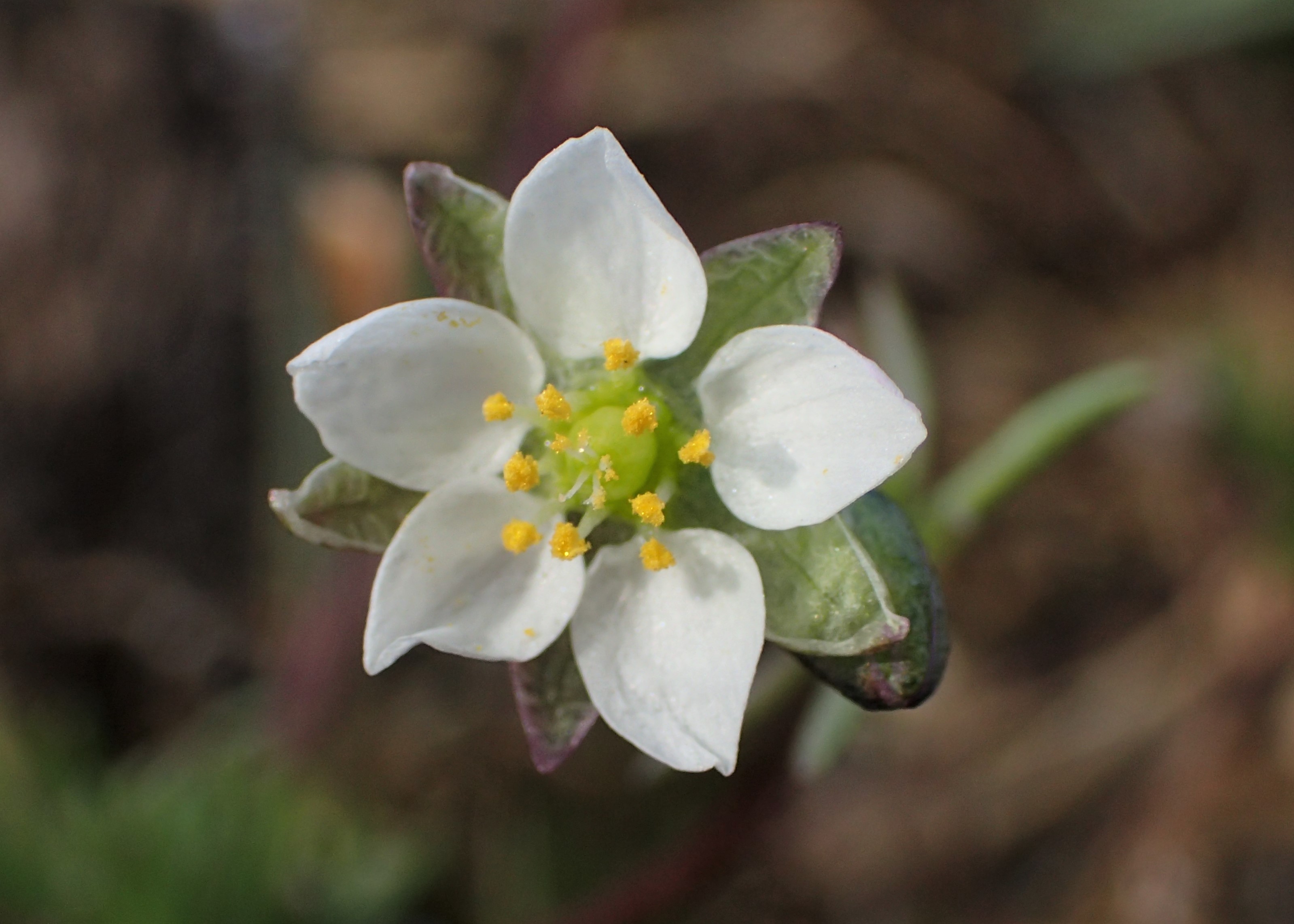
Pearlwort Spurrey
ENSpergula morisonii
Peck's Robber Frog
VUPristimantis pecki

Pedunculate Sea-purslane
VUHalimione pedunculata
Peixe-anual
VUAustrolebias varzeae
Peixe-anual
ENAustrolebias nigrofasciatus
Pelagonian trout
VUSalmo pelagonicus
Peltate Dutchman's Pipe
VUAristolochia peltata

Pembroke Neb
ENMonochroa elongella

Pendulous Wing-moss
VUAntitrichia curtipendula

Pennsylvania Firefly
VUPhoturis pennsylvanica

Pennyroyal
CRMentha pulegium
Pennyroyal faces severe population declines due to habitat destruction from agricultural intensification and urban development, which has eliminated many of its traditional wetland and marshy habitats. The species is further threatened by drainage of seasonal pools and wet meadows, along with competition from invasive plant species that alter soil chemistry and moisture conditions.
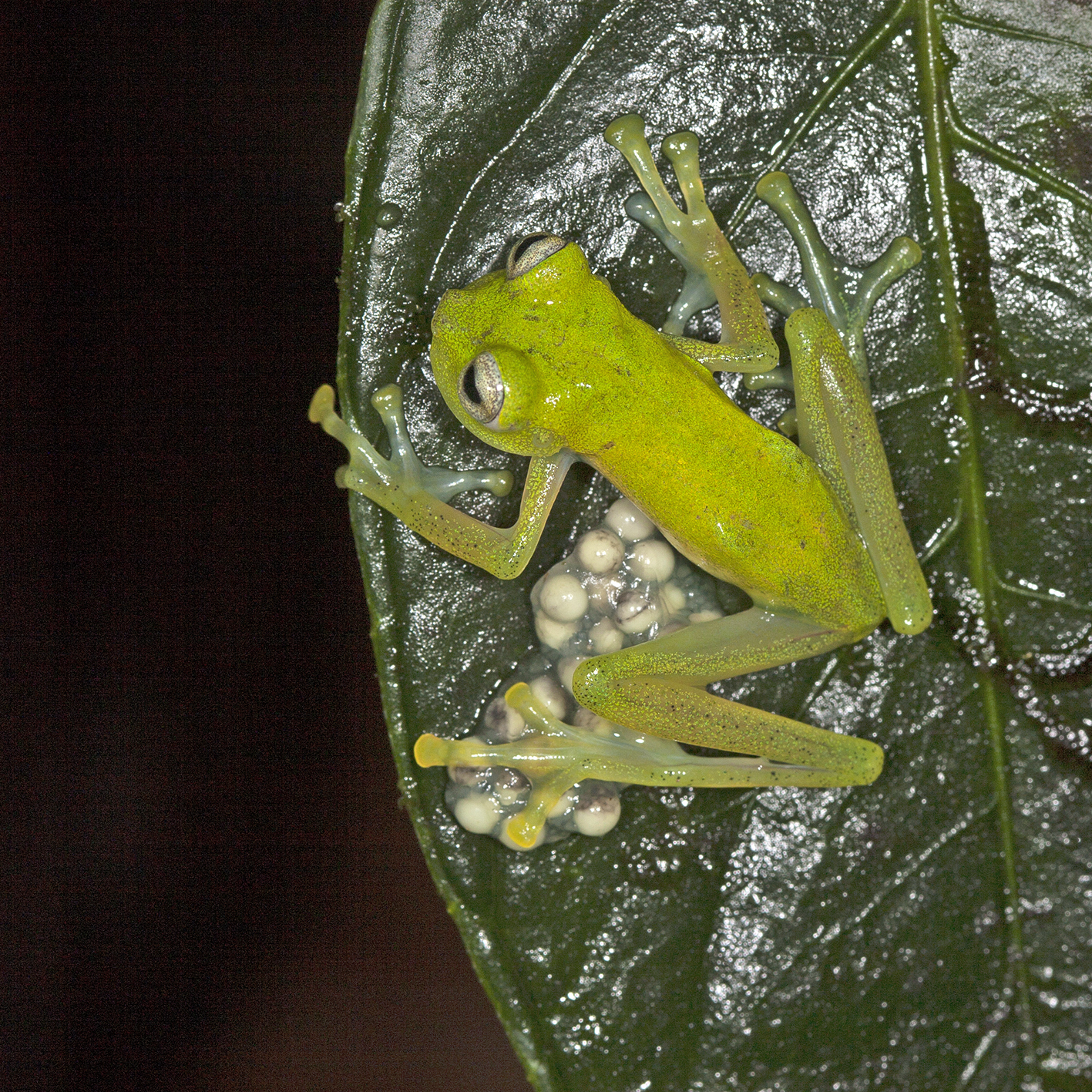
Pepper Glassfrog
VUNymphargus griffithsi

Pepper Pot
CRMyriostoma coliforme
Myriostoma coliforme faces severe population declines due to habitat loss from agricultural expansion, urbanization, and forest fragmentation across its range. Climate change is altering soil conditions and moisture regimes essential for this fungus's reproductive cycle, while pollution and intensive land use practices degrade the specific microhabitat conditions required for fruiting body development.
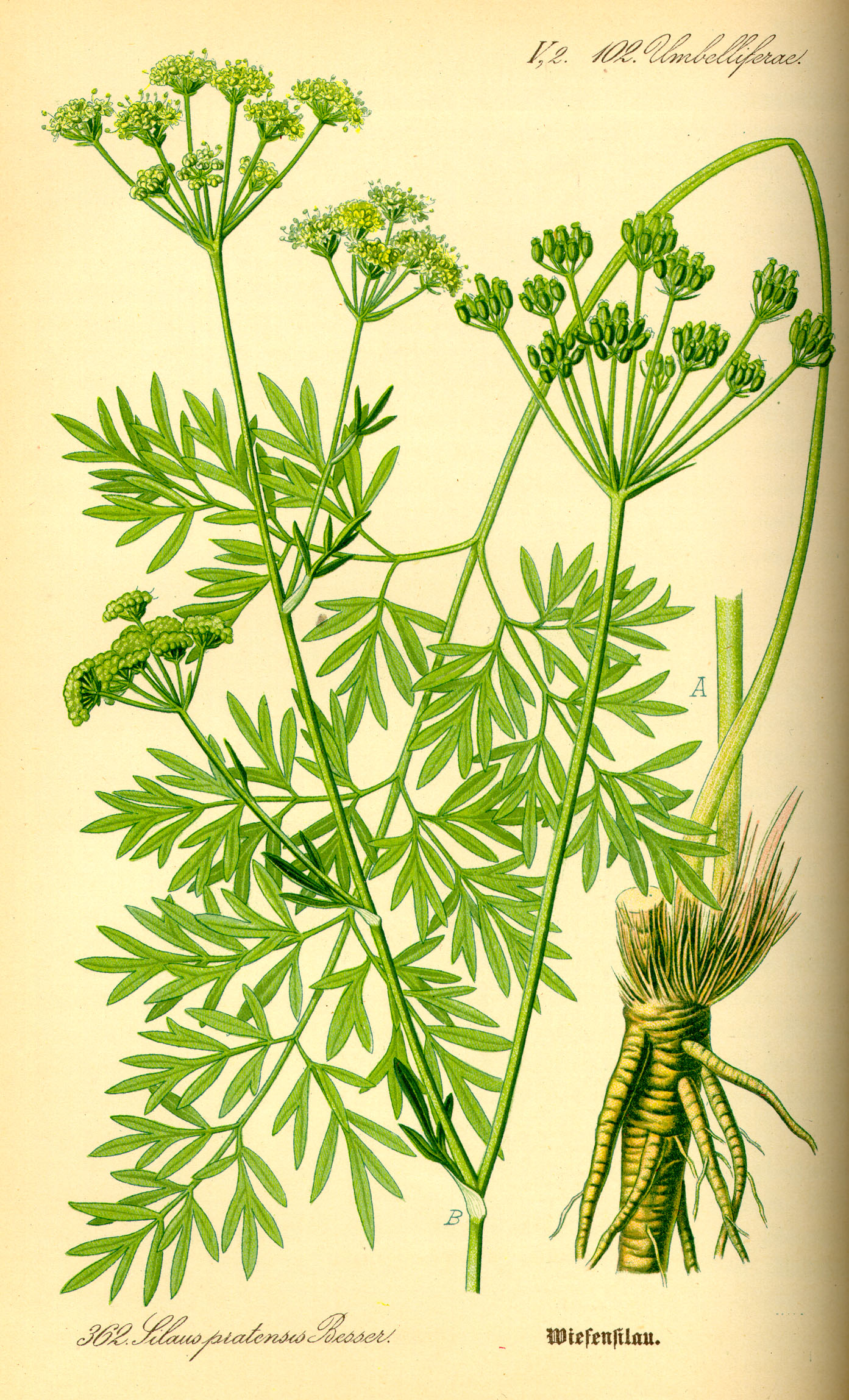
Pepper-saxifrage
CRSilaum silaus
Pepper-saxifrage faces severe population declines due to widespread habitat loss from agricultural intensification and conversion of traditional hay meadows to improved grasslands. The species is highly sensitive to changes in grassland management practices, particularly increased fertilizer use and altered mowing regimes that have eliminated suitable habitat across much of its former range.
Peralejo de costa
CRByrsonima roigii
Byrsonima roigii faces severe threats from habitat destruction due to coastal development, agriculture, and urbanization in its limited range. The species' restricted distribution makes it particularly vulnerable to environmental changes and human activities that fragment or eliminate its native habitat.

Peregrine Falcon (eurasian)
VUFalco peregrinus

Perennial Knawel
CRScleranthus perennis
Perennial Knawel faces severe population declines due to habitat loss from agricultural intensification and urban development across its European range. The species' specialized requirements for nutrient-poor, sandy soils make it particularly vulnerable to land use changes and habitat fragmentation, with many historical populations having disappeared entirely.

Perereca
ENDendropsophus nanus

Perija Metaltail
VUMetallura iracunda
perrita
VUApteronotus magdalenensis

Persian Skipper
VUSpialia phlomidis

Peruvian Antpitta
VUGrallaricula peruviana
Peter-Mausohrhabichtskraut
ENPilosella peteriana

Peters' Caecilian
ENEpicrionops petersi

Peters' Robber Frog
VUPristimantis petersi
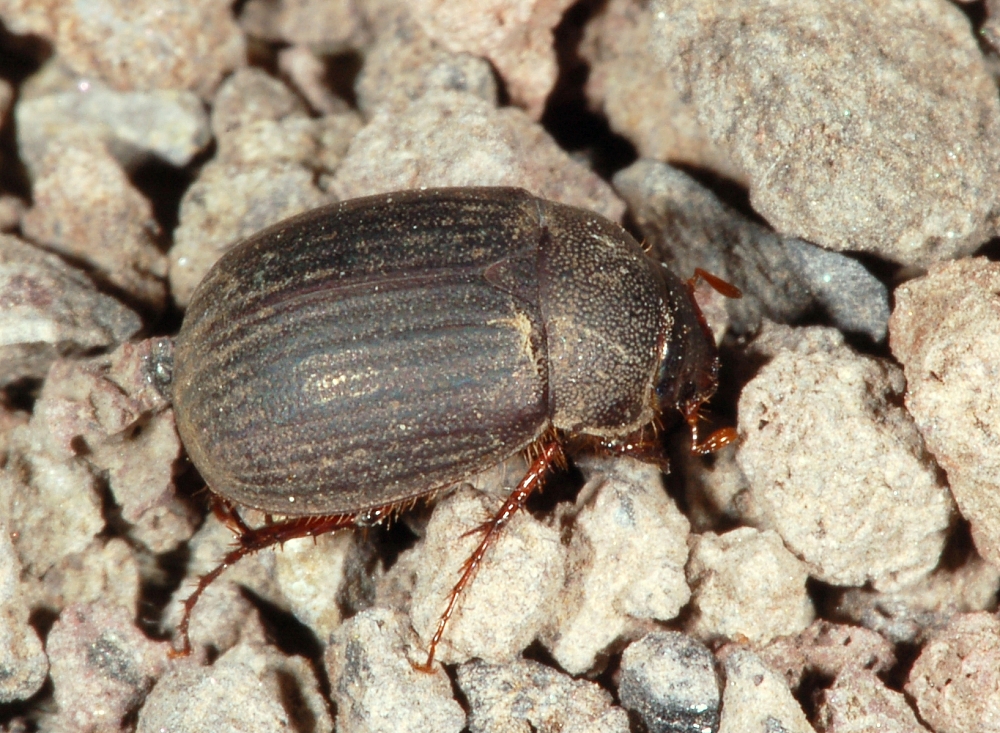
Petit hanneton soyeux
ENMaladera holosericea
Petite punaise à avirons
CRMicronecta minutissima
Micronecta minutissima faces severe threats from habitat degradation and loss of its specialized aquatic environments. Climate change and water pollution are significantly impacting the delicate freshwater ecosystems this species depends on, while its extremely small size makes populations particularly vulnerable to environmental disturbances.

Petites Croix, Panagée à deux tâches
CRPanagaeus bipustulatus
Panagaeus bipustulatus faces severe population declines due to widespread habitat loss from agricultural intensification and urban development across its range. The species' dependence on specific soil conditions and prey availability makes it particularly vulnerable to landscape fragmentation and changes in land management practices.

Petzea rudd
CRScardinius racovitzai
Petzea rudd faces severe threats from habitat degradation and water pollution in its limited freshwater range. The species' restricted distribution makes it particularly vulnerable to environmental changes and human activities affecting water quality in Romanian river systems.

Phantom Hoverfly
CRDoros profuges
The Phantom Hoverfly faces severe population declines due to habitat loss from agricultural intensification and urbanization across its limited range. Climate change is altering the availability of its specialized host plants and disrupting the delicate ecological relationships this species depends on for survival.