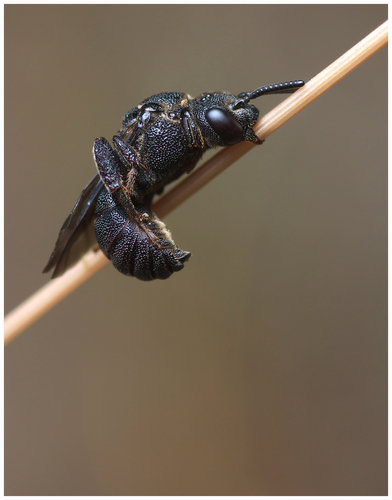
Biastes truncatus
Photo: Photo: (c) naturalist_ua, some rights reserved (CC BY-NC)
Overview
A detailed profile for this species is sourced from the IUCN Red List of Threatened Species as assessments become available.
The pärlbi faces severe population declines due to extensive deforestation and habitat fragmentation across its limited range in Southeast Asian tropical forests. Agricultural expansion, particularly oil palm plantations, has eliminated much of its primary forest habitat, while its specialized feeding requirements make it highly vulnerable to ecosystem disruption.
Habitat
Inhabits primary and mature secondary tropical rainforests in Southeast Asia, typically in the canopy and mid-story levels where it forages among dense vegetation. Requires intact forest ecosystems with diverse plant communities that support its specialized invertebrate prey base.
Other threatened species in Apidae
Frequently asked questions
Why is Biastes truncatus classified as Critically Endangered?
Where does Biastes truncatus live?
What are the main threats to Biastes truncatus?
Get weekly conservation intelligence
One short digest a week of the most striking species and country data we ship, plus breaking conservation news paired with our database where it matters.
Free, no spam. One-click unsubscribe in every email.