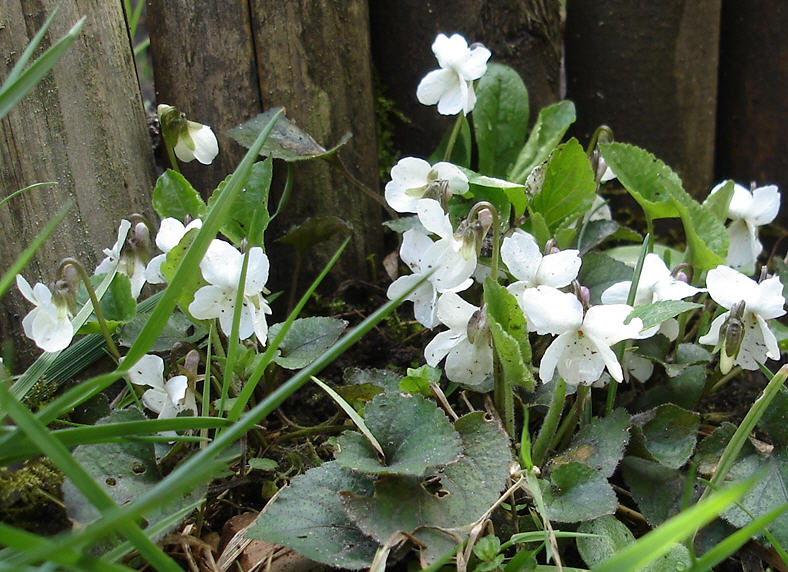
Parma violet
Viola alba
Photo: Wikimedia Commons (CC) via https://en.wikipedia.org/wiki/Viola_alba
Overview
A detailed profile for this species is sourced from the IUCN Red List of Threatened Species as assessments become available.
Parma violet faces severe threats from habitat destruction due to agricultural expansion and urban development across its native range. The species is particularly vulnerable to changes in soil chemistry and moisture levels caused by intensive farming practices and climate change, which alter the specific conditions required for its survival.
Habitat
Parma violet typically inhabits calcareous grasslands, woodland edges, and scrubland on limestone or chalk soils in Mediterranean and temperate European regions. The species requires well-drained alkaline soils with specific moisture conditions and partial shade to full sun exposure.
Other threatened species in Violaceae

Threatened in Afghanistan

Frequently asked questions
Why is Parma violet classified as Critically Endangered?
Where does Parma violet live?
What are the main threats to Parma violet?
Get weekly conservation intelligence
One short digest a week of the most striking species and country data we ship, plus breaking conservation news paired with our database where it matters.
Free, no spam. One-click unsubscribe in every email.