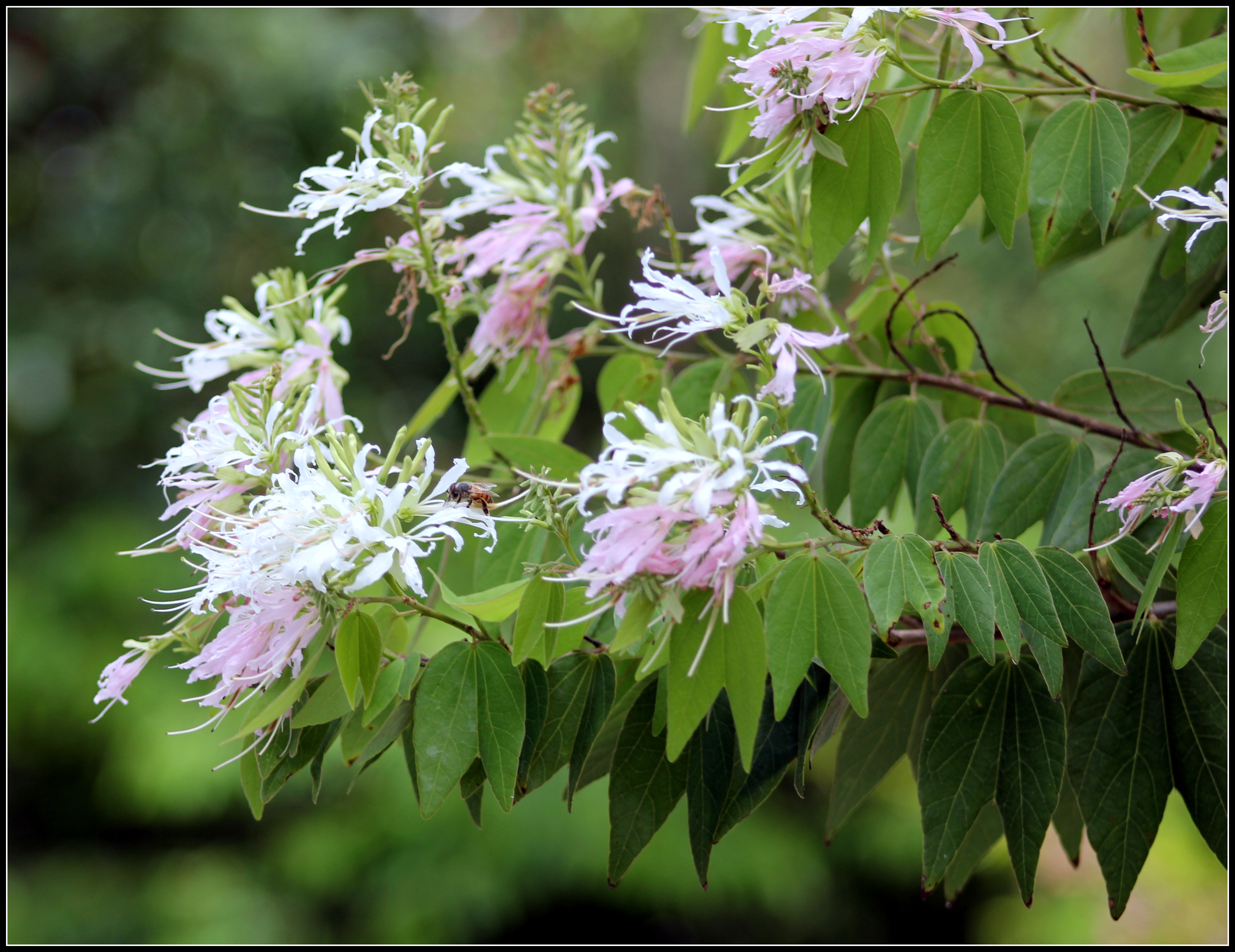
Bauhinia divaricata
Photo: Wikimedia Commons (CC) via https://en.wikipedia.org/wiki/Bauhinia_divaricata
Overview
A detailed profile for this species is sourced from the IUCN Red List of Threatened Species as assessments become available.
Bauhinia divaricata faces severe pressure from agricultural expansion and urban development throughout its native range in South America, particularly in Brazil's Atlantic Forest region. Cattle ranching and soybean cultivation have fragmented its habitat, while logging for timber and fuelwood has reduced mature forest stands. Climate change compounds these pressures by altering precipitation patterns critical for this species' reproductive cycles.
Habitat
Bauhinia divaricata inhabits tropical and subtropical forests, particularly in Brazil's Atlantic Forest biome and adjacent cerrado regions. The species typically grows in secondary forest edges, gallery forests along waterways, and disturbed forest areas with partial canopy cover.
Other threatened species in Fabaceae

Frequently asked questions
Why is Bauhinia divaricata classified as Vulnerable?
Where does Bauhinia divaricata live?
What are the main threats to Bauhinia divaricata?
Get weekly conservation intelligence
One short digest a week of the most striking species and country data we ship, plus breaking conservation news paired with our database where it matters.
Free, no spam. One-click unsubscribe in every email.