
European pennyroyal
Mentha pulegium
Photo: Wikimedia Commons (CC) via https://en.wikipedia.org/wiki/Mentha_pulegium
Overview
A detailed profile for this species is sourced from the IUCN Red List of Threatened Species as assessments become available.
Pennyroyal faces severe population declines due to habitat destruction from agricultural intensification and urban development, which has eliminated many of its traditional wetland and marshy habitats. The species is further threatened by drainage of seasonal pools and wet meadows, along with competition from invasive plant species that alter soil chemistry and moisture conditions.
Habitat
Pennyroyal occurs in wet meadows, seasonal pools, marshy areas, and damp grasslands, typically in areas with fluctuating water levels and moist, often sandy or clay soils. The species also inhabits stream margins, pond edges, and other freshwater wetland peripheries where water tables remain high during growing seasons.
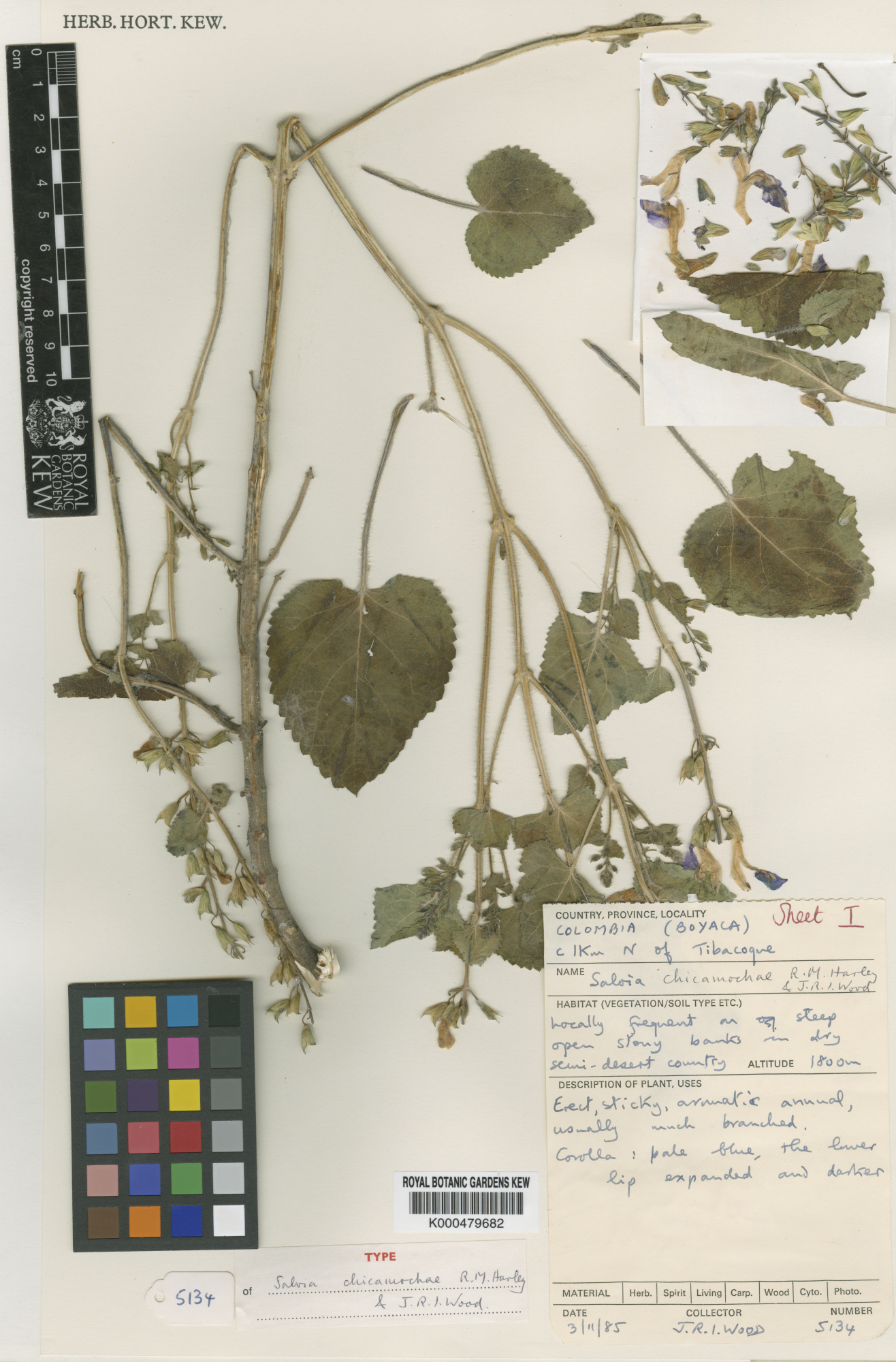
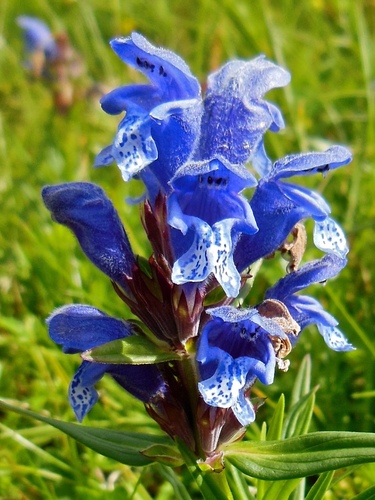
Other threatened species in Lamiaceae


Frequently asked questions
Why is European pennyroyal classified as Critically Endangered?
Where does European pennyroyal live?
What are the main threats to European pennyroyal?
Get weekly conservation intelligence
One short digest a week of the most striking species and country data we ship, plus breaking conservation news paired with our database where it matters.
Free, no spam. One-click unsubscribe in every email.