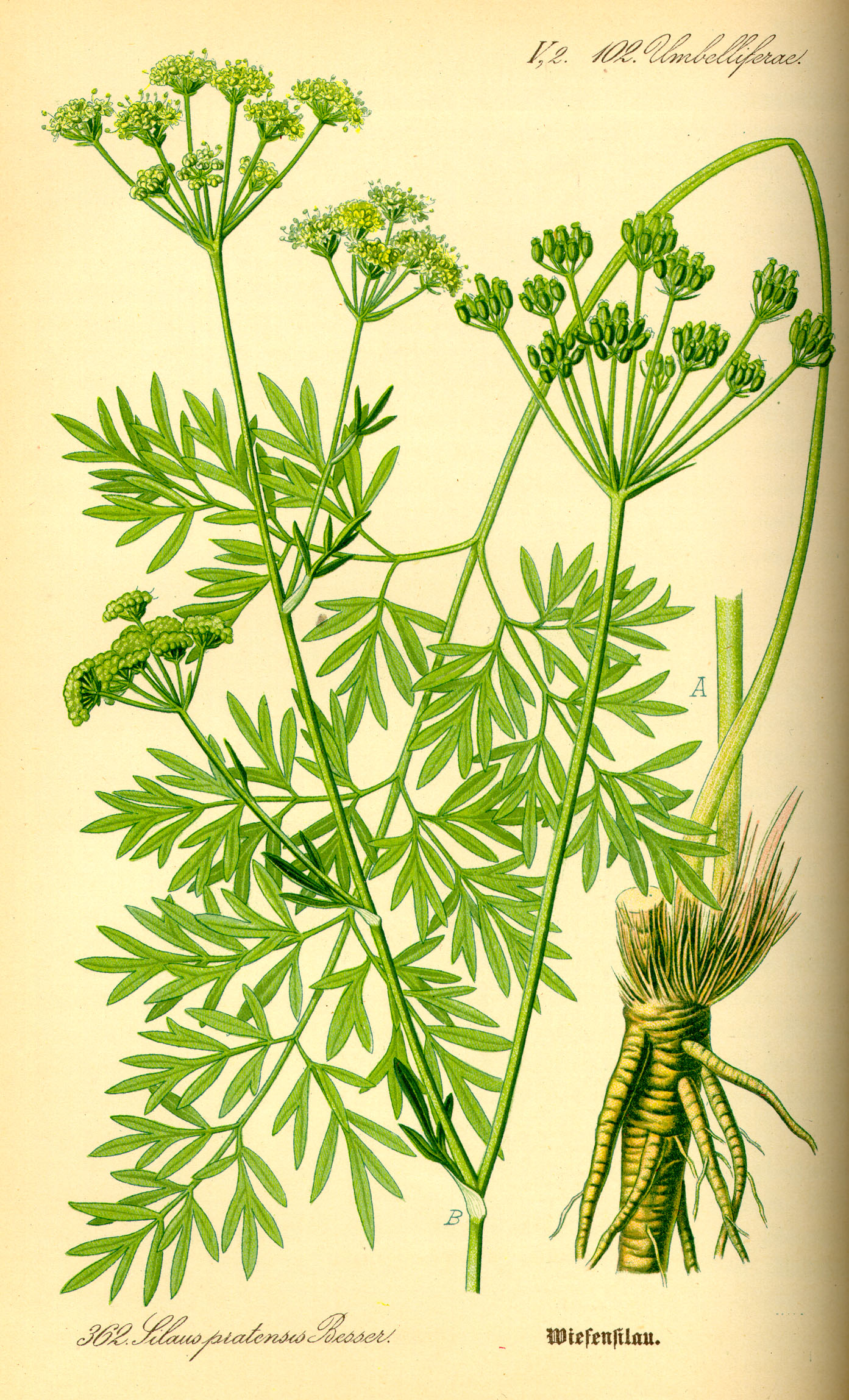
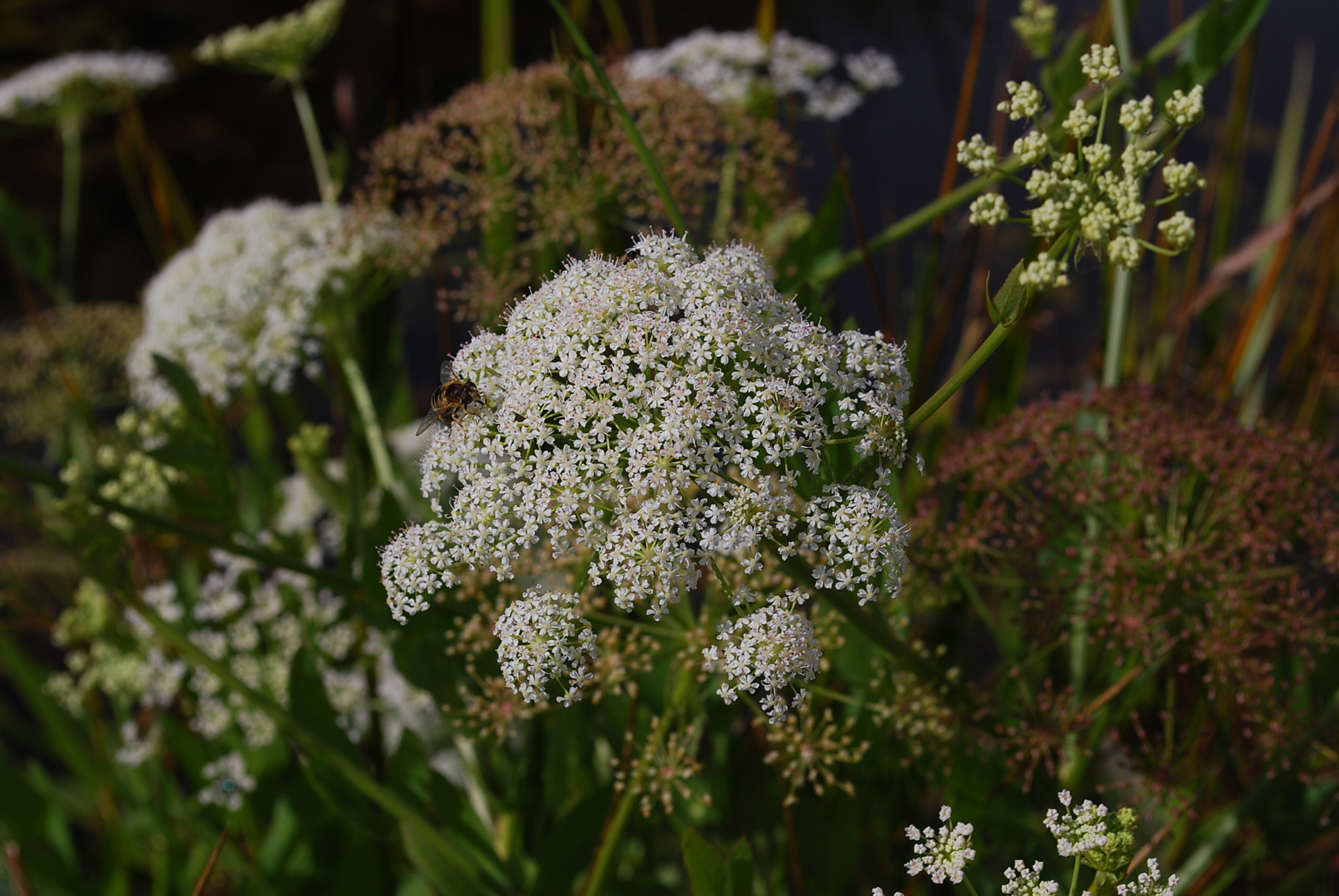
Pepper-saxifrage
Silaum silaus
Photo: Wikimedia Commons (CC) via https://en.wikipedia.org/wiki/Silaum_silaus
Overview
A detailed profile for this species is sourced from the IUCN Red List of Threatened Species as assessments become available.
Pepper-saxifrage faces severe population declines due to widespread habitat loss from agricultural intensification and conversion of traditional hay meadows to improved grasslands. The species is highly sensitive to changes in grassland management practices, particularly increased fertilizer use and altered mowing regimes that have eliminated suitable habitat across much of its former range.
Habitat
Traditional unimproved hay meadows, wet grasslands, and chalk downlands, typically on calcareous or neutral soils with low nutrient levels. The species requires specific management regimes including late summer mowing and minimal fertilizer input to maintain suitable habitat conditions.
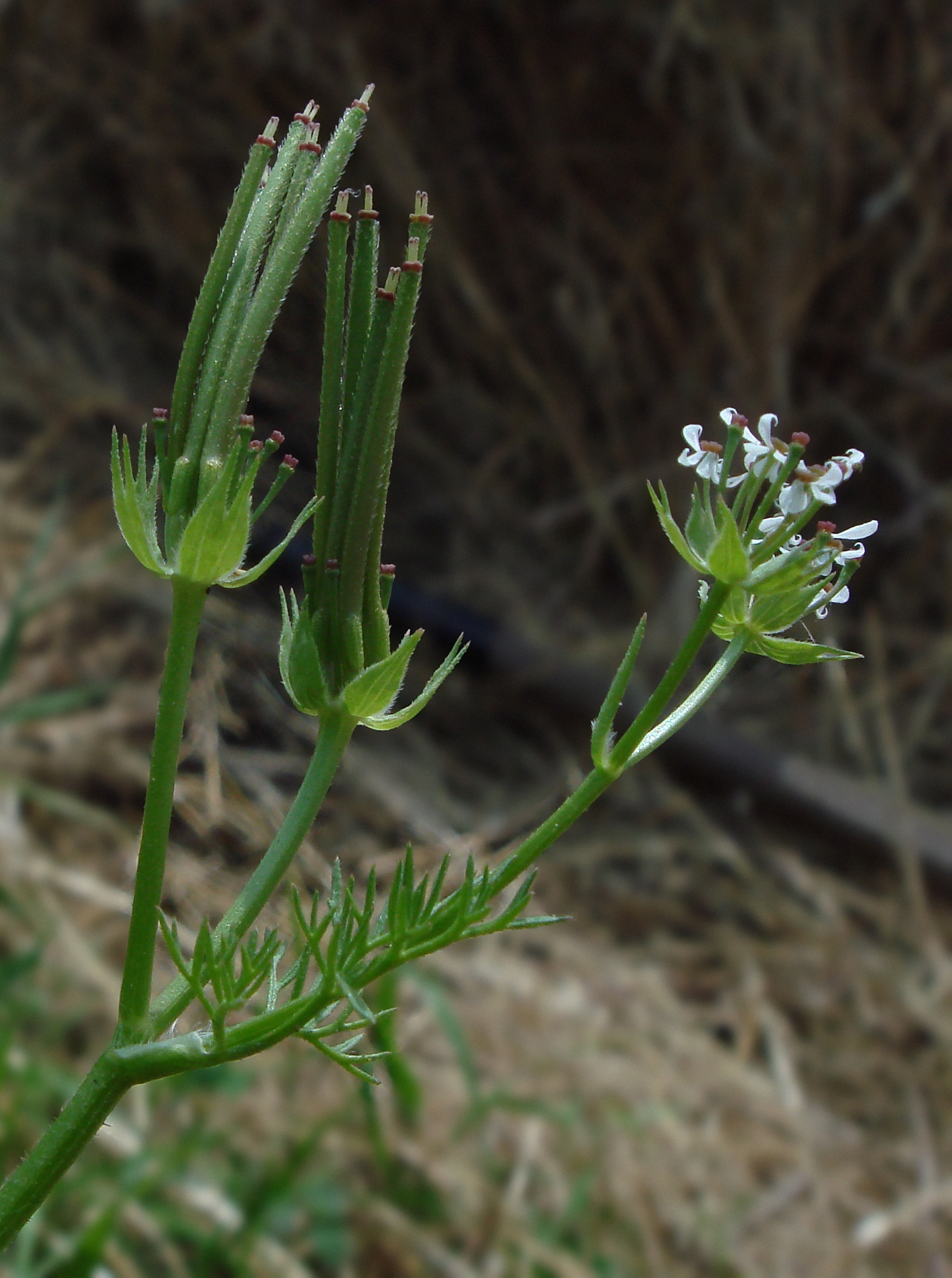
Other threatened species in Apiaceae
Frequently asked questions
Why is Pepper-saxifrage classified as Critically Endangered?
Where does Pepper-saxifrage live?
What are the main threats to Pepper-saxifrage?
Get weekly conservation intelligence
One short digest a week of the most striking species and country data we ship, plus breaking conservation news paired with our database where it matters.
Free, no spam. One-click unsubscribe in every email.