Species Explorer
Browse and search species from the IUCN Red List and GBIF.
54,666 species
oxhorndyvel
VUOnthophagus illyricus

Oysterleaf
CRMertensia maritima
Oysterleaf faces severe threats from coastal development, sea level rise, and habitat degradation along its specialized shoreline environments. Climate change-induced coastal erosion and increased storm intensity are rapidly destroying the fragile shingle beaches and rocky shores where this species occurs. Human activities including tourism, coastal construction, and trampling have further reduced available habitat and population sizes.
Ozyptile sablée
ENOzyptila atomaria
paaspanterspin
VUAlopecosa barbipes
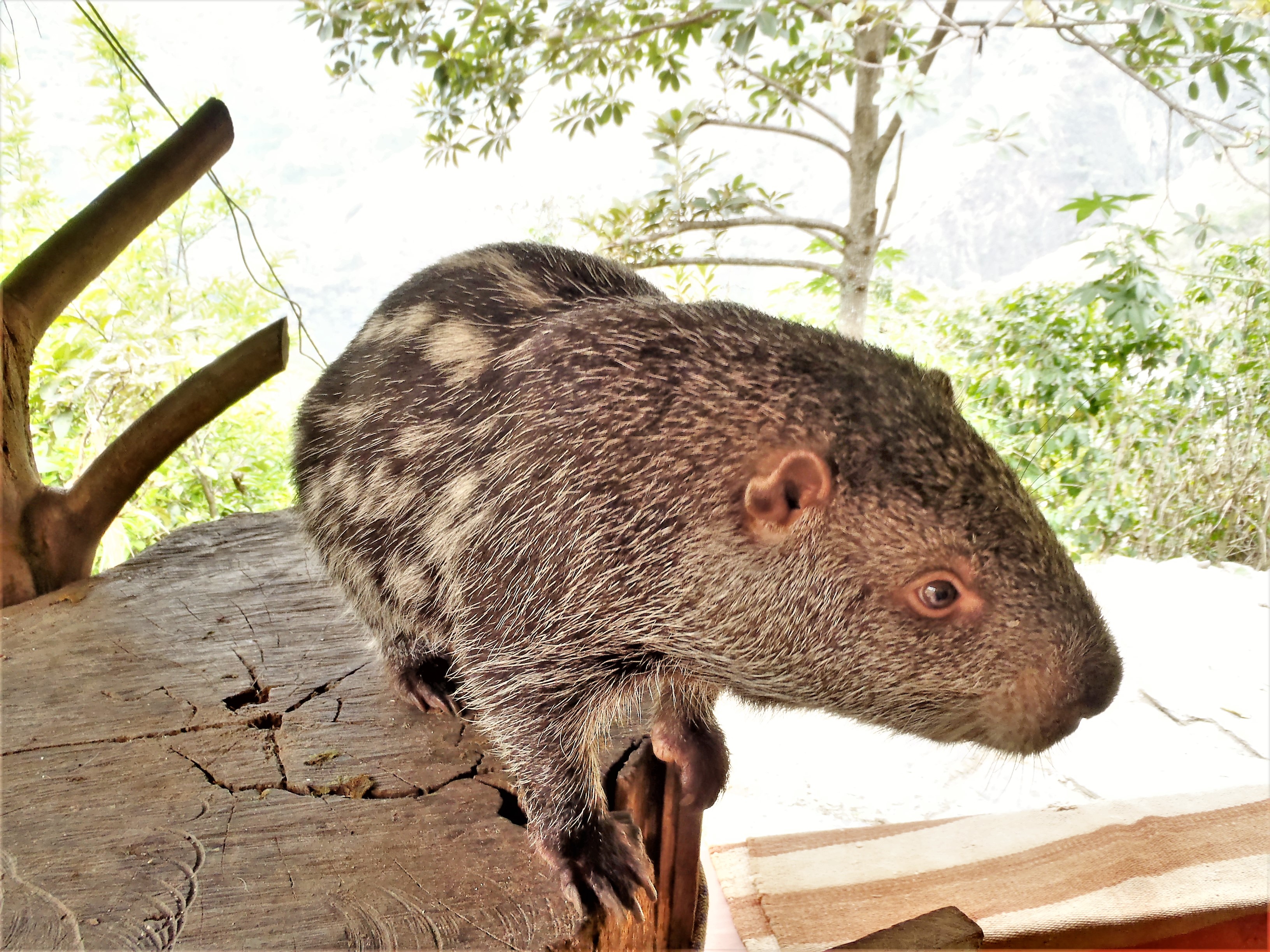
Pacarana
VUDinomys branickii
Pacific Giant Glass Frog
VUCentrolene geckoideum

Pacora
VUGrias multinervia
Padron's bristle fern
CRTrichomanes padronii
Padron's bristle fern faces severe threats from habitat destruction and fragmentation due to deforestation and agricultural expansion in its limited range. The species' restricted distribution and specialized habitat requirements make it extremely vulnerable to environmental changes and human activities. Climate change poses additional risks by altering the humid microclimatic conditions essential for this delicate fern's survival.

Pale Bladderwort
ENUtricularia ochroleuca
Pale Ditrichum Moss
CRDitrichum pallidum
Pale Ditrichum Moss faces severe threats from habitat degradation and loss due to human activities and climate change impacts on its specialized environments. The species' extremely limited distribution and specific habitat requirements make it particularly vulnerable to environmental disturbances and pollution.

Pale Dog-violet
CRViola lactea
Pale Dog-violet faces severe threats from habitat loss due to agricultural intensification, urban development, and changes in traditional land management practices that have historically maintained its specialized grassland habitats. The species' highly fragmented populations are vulnerable to local extinctions, while climate change and altered grazing regimes further threaten the acidic, nutrient-poor soils it requires.
Pale Dottyback
VUPseudochromis pesi

Pale Eggar
ENTrichiura crataegi

Pale Flat-body
VUAgonopterix pallorella
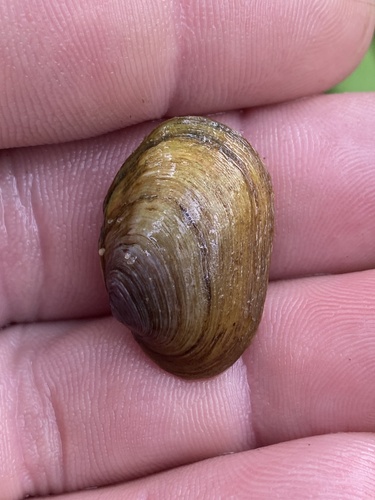
Pale Lilliput Pearly Mussel
CRToxolasma cylindrellum
The Pale Lilliput Pearly Mussel faces habitat destruction from dam construction and water diversions that alter natural flow patterns. Water pollution from agricultural runoff, urban development, and industrial activities degrades water quality and reduces food availability. Sedimentation from land use changes can bury individuals and destroy the stable substrate required for survival.

Pale Pin-palp
VUBembidion testaceum
pale seagrape
ENCoccoloba pallida

Pale Sedge
CRCarex pallescens
Pale Sedge faces severe threats from habitat degradation and loss of its specialized wetland environments. Agricultural intensification, drainage of wet meadows, and changes in traditional land management practices have significantly reduced suitable habitat across its range, while climate change alters the hydrological conditions essential for its survival.

Pale St John's-wort
CRHypericum montanum
Pale St John's-wort faces severe population declines due to habitat loss from agricultural intensification, woodland clearance, and urban development pressures on its specialized calcareous woodland habitats. The species' restricted distribution and specific ecological requirements make remaining populations highly vulnerable to environmental changes and fragmentation.

Pale-bellied Shrew Opossum
VUCaenolestes caniventer

Pale-Flower Vetch
ENVicia pisiformis
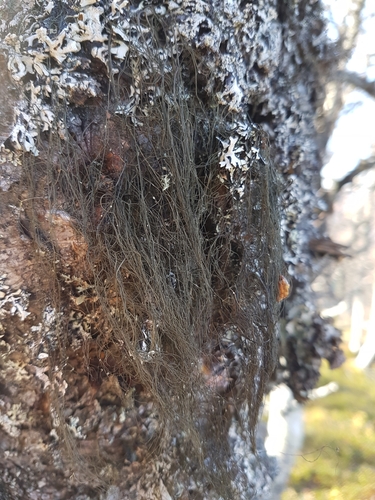
Pale-footed Horsehair Lichen
CRBryoria capillaris
Pale-footed Horsehair Lichen faces severe threats from air pollution, particularly sulfur dioxide and nitrogen compounds, which are highly toxic to epiphytic lichens. Climate change and habitat loss through deforestation and urban development have further reduced suitable old-growth forest environments essential for this species' survival.

Pale-green Wintergreen
ENPyrola chlorantha
Pale-legged Marbled Bush-cricket
VUEupholidoptera pallipes

pale-shouldered cloud
CRChloantha hyperici
The pale-shouldered cloud moth faces severe population declines primarily due to habitat loss and degradation of its specialized host plant communities. Climate change and agricultural intensification have further reduced suitable breeding sites, while light pollution disrupts critical nocturnal behaviors essential for reproduction and survival.

Palito
ENFarlowella curtirostra
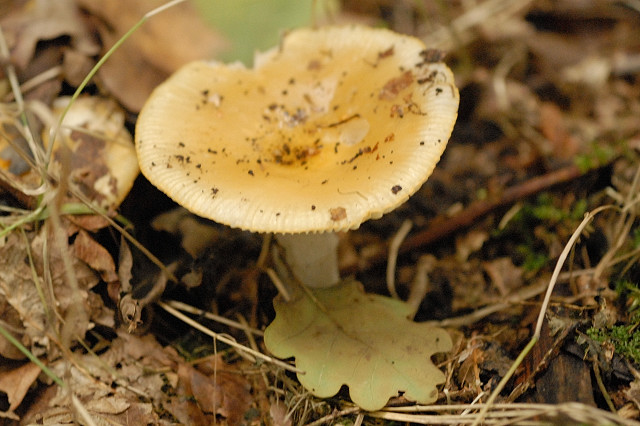
Pallid Brittlegill
VURussula raoultii

Palm Lorikeet
VUCharmosyna palmarum

Palma blanca
VUSabal uresana
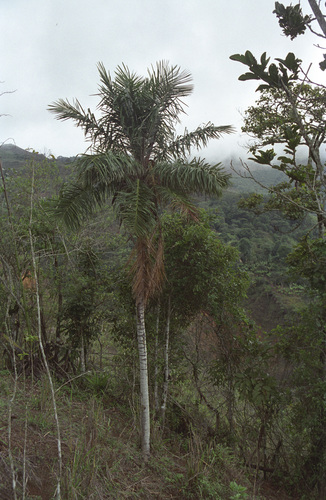
Palma de ramos
CRCeroxylon parvum
Palma de ramos faces severe threats from ongoing deforestation and habitat conversion in Colombia's Andean cloud forests, where its extremely limited range makes it highly vulnerable to local extinctions. Agricultural expansion, cattle ranching, and infrastructure development continue to fragment and destroy the montane forest ecosystems this endemic palm depends on for survival.

Palma ramo
VUCeroxylon vogelianum
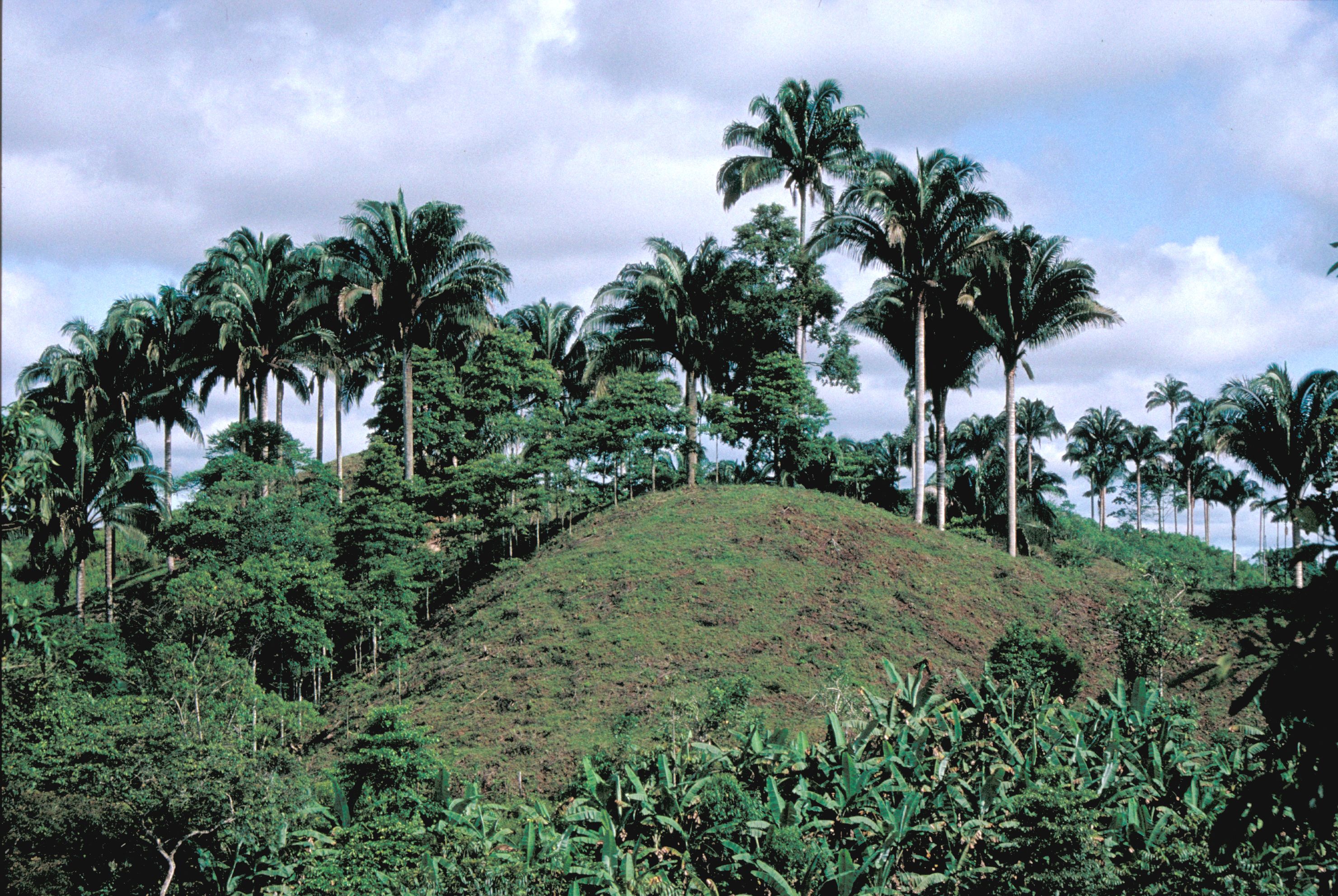
Palma real
ENAttalea colenda

palmeirinha
CRSyagrus sancona
Palmeirinha (Syagrus sancona) faces severe threats from habitat destruction due to agricultural expansion and urban development across its limited range. The species' restricted distribution makes it particularly vulnerable to localized threats, while overcollection for ornamental purposes and climate change impacts further compound the risks to remaining populations.

Palmer's Treefrog
VUHyloscirtus palmeri
Palo caiman
ENThouinidium pulverulentum
Palo Cruz
VUBrowneopsis excelsa
Palo de cincha
VUPimenta odiolens
palo de hueso
ENHaenianthus salicifolius
Palo Overo
VUChloroleucon chacoense
pälsdvärgspindel
VULasiargus hirsutus

Pampas Meadowlark
ENSturnella defilippii

Pancake Crust
VUPerenniporia medulla-panis

pancher neocallitropsis
ENNeocallitropsis pancheri

Pangani Haplo
VUCtenochromis pectoralis
pantserkogelspin
VUPholcomma gibbum

Paradise Plant
CRDaphne mezereum
Paradise Plant faces severe population declines due to habitat destruction from agricultural expansion and urban development across its native range. Over-collection for ornamental and medicinal purposes has further reduced wild populations, while climate change threatens the specific cool, moist conditions this species requires for survival.
Paraguanan Ground Gecko
ENLepidoblepharis montecanoensis

parallell dvärgdykare
ENLaccornis oblongus

Paramillo Tapaculo
ENScytalopus canus
Páramo Colilargo
ENMicroryzomys altissimus