Species Explorer
Browse and search species from the IUCN Red List and GBIF.
54,666 species
Philibert's Tamarisk-moss
VUThuidium assimile

Philippine Duck
VUAnas luzonica

Philippine Keel-bellied Whip Snake
VUDryophiops philippina

Phycide de la scabieuse
CREurhodope rosella
Eurhodope rosella faces severe population declines due to habitat loss from agricultural intensification and urban development across its European range. The species' specialized dependence on specific host plants makes it particularly vulnerable to changes in land management practices and climate-induced shifts in plant communities.

Phycide du Mistral
CREphestia mistralella
Ephestia mistralella faces severe population declines due to habitat loss from agricultural intensification and urban development in Mediterranean coastal regions. Climate change is altering the specific microclimatic conditions this species requires, while pesticide use in agricultural areas directly impacts both the moth and its host plants.
Pia di Palomba
CRPortulaca elatior
Portulaca elatior faces severe threats from habitat destruction and fragmentation due to urban development, agricultural expansion, and coastal development pressures across its limited range. The species' restricted distribution makes it particularly vulnerable to localized threats, while climate change and sea-level rise pose additional risks to coastal populations.
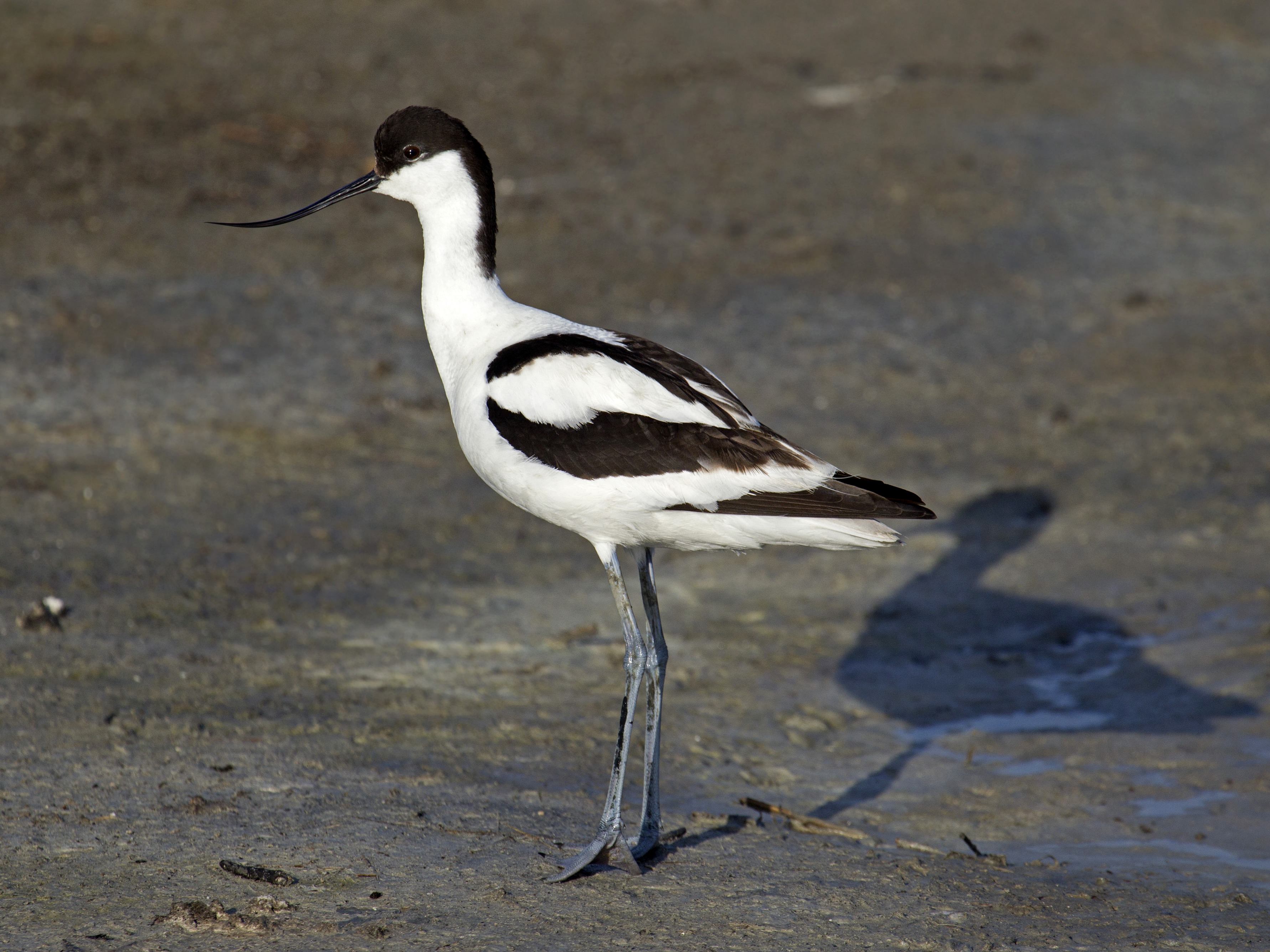
Pied Avocet
VURecurvirostra avosetta

Pied Flycatcher
VUFicedula hypoleuca

Pied-winged Robberfly
VUPamponerus germanicus

Piedmont bladderwort
CRUtricularia olivacea
Piedmont bladderwort faces severe threats from habitat destruction due to wetland drainage, development, and agricultural conversion of its specialized bog and seepage habitats. The species' extremely limited range and specific ecological requirements make it highly vulnerable to environmental changes and human disturbance. Climate change and altered hydrology further threaten the delicate water balance these carnivorous plants require for survival.

piemelkrieltje
ENParagus tibialis

Pig's Ear
CRGomphus clavatus
Gomphus clavatus faces severe population declines primarily due to habitat loss from deforestation and forest fragmentation, which destroys the old-growth coniferous forests it depends on. Climate change and air pollution further threaten the delicate mycorrhizal relationships this fungus requires to survive, while overcollection by foragers has reduced populations in accessible areas.

Pigeon Mountain Salamander
VUPlethodon petraeus
pigeon-plum
VUHirtella americana

Pigmy Skipper
CRGegenes pumilio
The Pigmy Skipper faces severe population declines due to habitat loss from agricultural expansion and urban development across its Mediterranean range. Climate change poses additional pressure through altered precipitation patterns and increased drought frequency, affecting the grassland ecosystems this species depends upon.
Pikkukonnamonni
ENEncheloclarias baculum
pikkuseulakas
VUCheumatopsyche lepida

Pileated Antwren
VUHerpsilochmus pileatus

Pillwort
ENPilularia globulifera
Pilule de comptoir
ENNosodendron fasciculare

Pimientillo
ENXylopia frutescens

Pince-monseigneur
CRProstomis mandibularis
Prostomis mandibularis faces severe population declines due to widespread loss of old-growth forest habitats across its range. The species' dependence on specific fungal associations in decaying wood makes it particularly vulnerable to intensive forestry practices and habitat fragmentation. Climate change further threatens the delicate moisture and temperature conditions required for its specialized ecological niche.

Pinch-barred Pigmy
CREctoedemia atricollis
The Pinch-barred Pigmy faces severe threats from habitat loss due to deforestation and agricultural conversion of its specialized woodland environments. Climate change is altering the phenology of its host plants, disrupting the precise timing required for larval development, while pesticide use in agricultural areas adjacent to its habitat poses additional risks to both adults and larvae.
Pindus stone loach
VUOxynoemacheilus pindus

Pine Bolete
CRBoletus pinophilus
Pine Bolete faces severe threats from widespread deforestation and habitat fragmentation of its specialized coniferous forest ecosystems. Climate change is altering temperature and precipitation patterns critical for mycorrhizal relationships, while air pollution and acid rain are degrading the soil chemistry essential for fungal networks.

Pine Firefungus
VURhizina undulata
Pine Firefungus (Rhizina undulata) faces declining populations primarily due to habitat loss from deforestation and changes in forest management practices that reduce the availability of burned coniferous forest areas where this species thrives. Climate change and altered fire regimes further threaten the specific post-fire conditions this fungus requires for fruiting and reproduction.

Pine Grosbeak
VUPinicola enucleator
pine marten
CRMartes martes
Pine martens face severe population declines due to extensive habitat fragmentation from deforestation and urban development, which isolates populations and reduces genetic diversity. Historical persecution and ongoing illegal trapping have further decimated populations, while competition with introduced species and vehicle strikes continue to threaten remaining individuals.

Pine Spike-cap
ENChroogomphus rutilus

Pinewood Gingertail
ENXeromphalina campanella

Pink Bonnet
ENMycena rosella

Pink sundew, Spathulate-leaved sundew
VUDrosera capillaris

Pink-legged Graveteiro
VUAcrobatornis fonsecai

Pink-throated Brilliant
VUHeliodoxa gularis
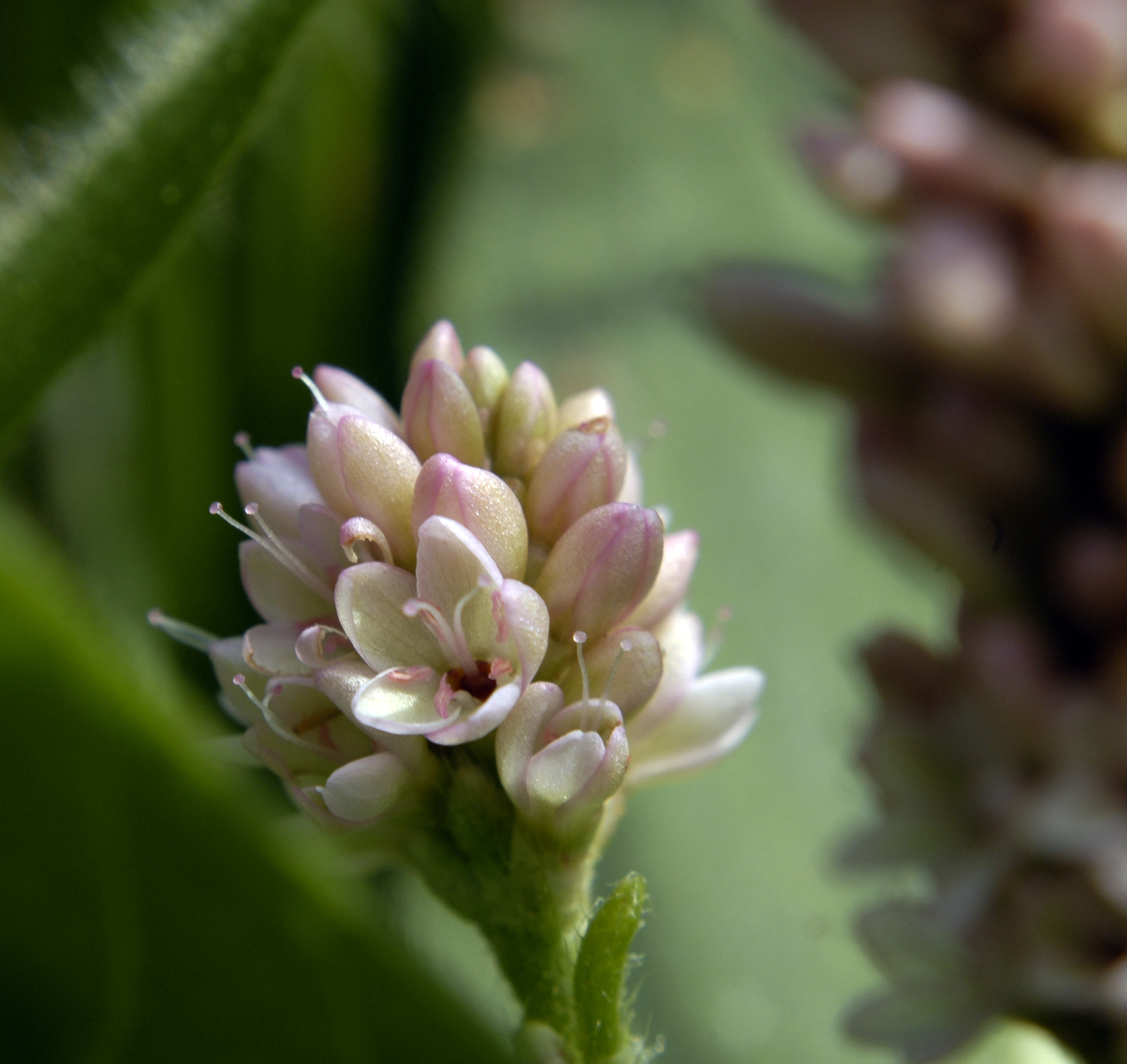
Pinkweed
ENPersicaria pensylvanica
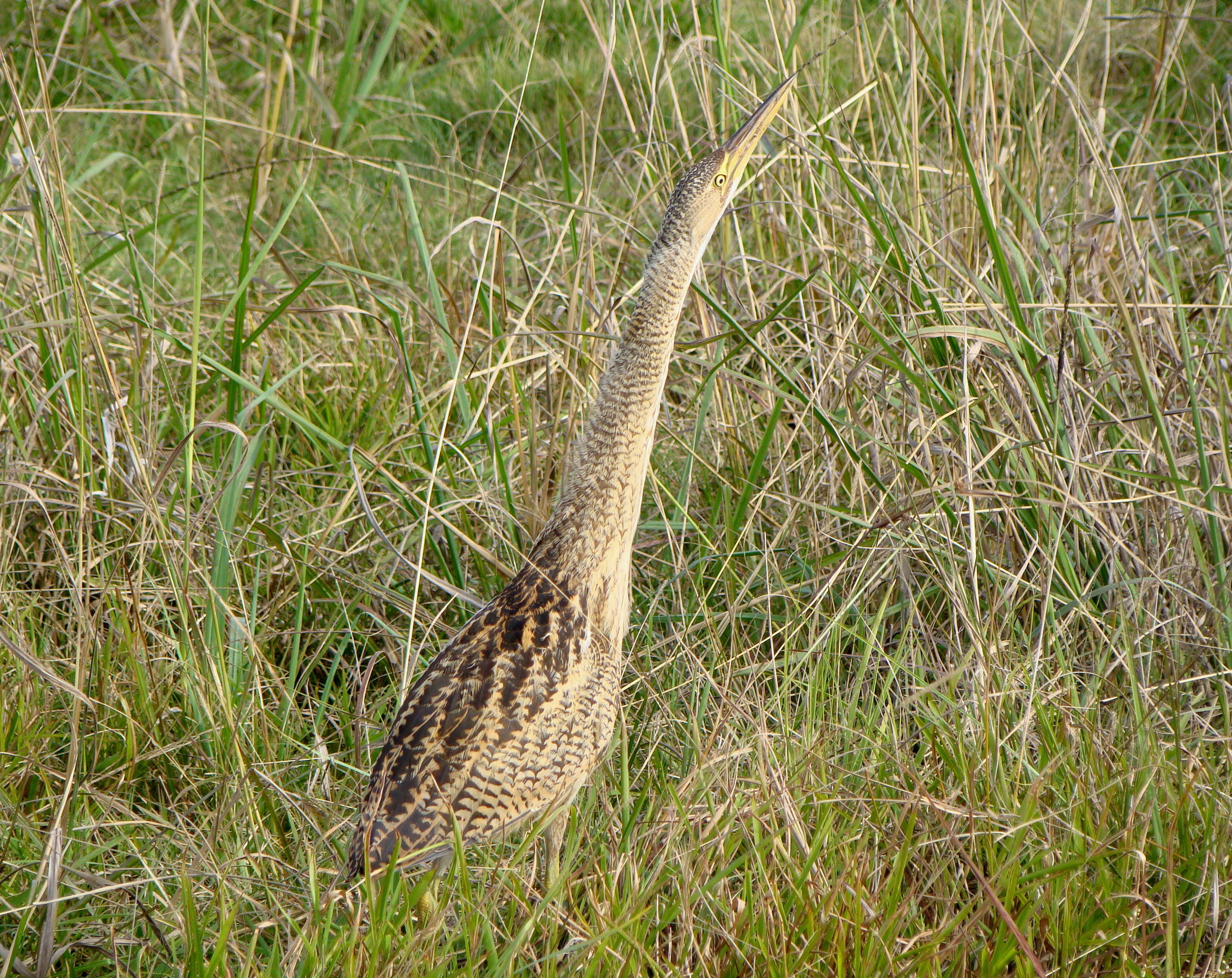
Pinnated Bittern
VUBotaurus pinnatus
Piñuela
ENGreigia racinae
Piñuela
ENGreigia exserta
Pipe-cleaner brittlestar
ENAsteronyx loveni

Piramutaba
VUBrachyplatystoma vaillantii

Pirate Brittlegill
VURussula turci

Pirre Bush-tanager
VUChlorospingus inornatus
pisamasarvekas
VUSetodes punctatus
Pissenlit
CRTaraxacum subericinum
Taraxacum subericinum faces severe threats from habitat destruction and fragmentation due to agricultural expansion and urban development in its limited range. Climate change poses additional risks through altered precipitation patterns and temperature shifts that affect its specialized alpine and subalpine habitat requirements. The species' restricted distribution makes it particularly vulnerable to localized environmental changes and human disturbances.
Pissenlit de Bavière
CRTaraxacum bavaricum
Taraxacum bavaricum faces severe threats from habitat loss due to agricultural intensification and urban development in its limited alpine range. Climate change poses an additional critical threat as warming temperatures force alpine species to migrate to higher elevations with increasingly limited suitable habitat. The species' extremely restricted distribution makes it particularly vulnerable to local extinctions from human disturbance and environmental changes.
Pitahaya
CRLeptocereus assurgens
Leptocereus assurgens faces severe threats from habitat destruction due to urban development and agricultural expansion across its limited range in the Caribbean. The species' restricted distribution makes it particularly vulnerable to localized threats, while climate change poses additional risks through altered precipitation patterns and increased storm intensity affecting its specialized dry forest habitat.
Pittier's Crab-eating Rat
VUIchthyomys pittieri

Piura Robber Frog
VUPristimantis colodactylus
Pixie Foam Lichen
CRStereocaulon pileatum
Pixie Foam Lichen faces severe threats from habitat degradation due to air pollution, particularly nitrogen deposition and sulfur compounds that alter the chemical composition of its substrate. Climate change poses additional risks through altered precipitation patterns and temperature fluctuations that affect the delicate moisture balance required for lichen survival.
Plain Dark-Bee
VUStelis phaeoptera