
Phantom Hoverfly
Doros profuges
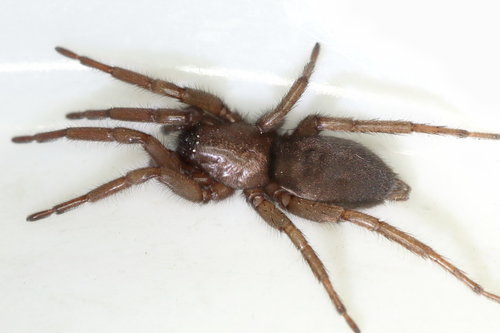
Photo: Wikimedia Commons (CC) via https://en.wikipedia.org/wiki/Doros_profuges
Overview
Doros profuges is a Palearctic species of hoverfly.
The Phantom Hoverfly faces severe population declines due to habitat loss from agricultural intensification and urbanization across its limited range. Climate change is altering the availability of its specialized host plants and disrupting the delicate ecological relationships this species depends on for survival.
Habitat
Inhabits ancient woodlands, forest edges, and semi-natural grasslands with abundant flowering plants, particularly favoring areas with mature trees and diverse understory vegetation. The species requires specific microhabitats that support both adult nectar sources and larval development sites.
Other threatened species in Syrphidae


Threatened in Åland Islands


Frequently asked questions
Why is Phantom Hoverfly classified as Critically Endangered?
Where does Phantom Hoverfly live?
What are the main threats to Phantom Hoverfly?
Get weekly conservation intelligence
One short digest a week of the most striking species and country data we ship, plus breaking conservation news paired with our database where it matters.
Free, no spam. One-click unsubscribe in every email.