Species Explorer
Browse and search species from the IUCN Red List and GBIF.
54,666 species
Olivbrauner Rötling
ENEntoloma versatile
olivbrun kremla
VURussula olivobrunnea
Olive Bog-moss
VUSphagnum majus
Olive Grouper
VUEpinephelus cifuentesi
Olive Skipper
VUPyrgus serratulae
olivinkremla
VURussula olivina
olkiputkisirvikäs
VULimnephilus fuscinervis
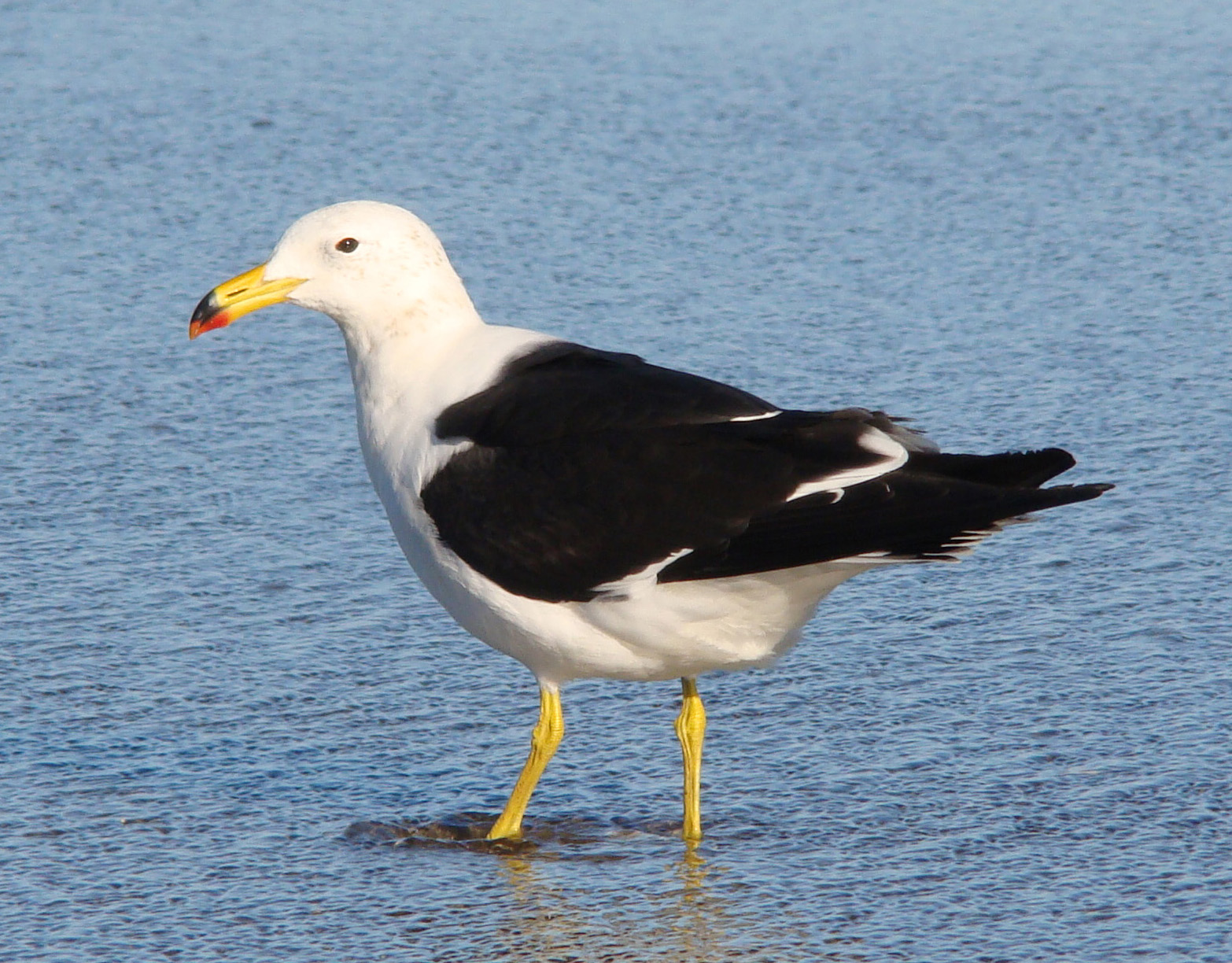
Olrog's Gull
ENLarus atlanticus

Olympic Torrent Salamander
VURhyacotriton olympicus

Omao
VUMyadestes obscurus
Onderbroken-bandzweefvlieg
VUSyrphus nitidifrons
One-grooved Diving Beetle
VUBidessus unistriatus

One-toothed silvan flat bark beetle
VUSilvanus unidentatus
Onthophage ovatus
VUOnthophagus ovatus

Onthophage vacca
ENOnthophagus vacca
oostelijke grashalmdansvlieg
ENHybos grossipes

oostelijke sapzweefvlieg
ENBrachyopa pilosa
oosterse langlijf
VUSphaerophoria chongjini
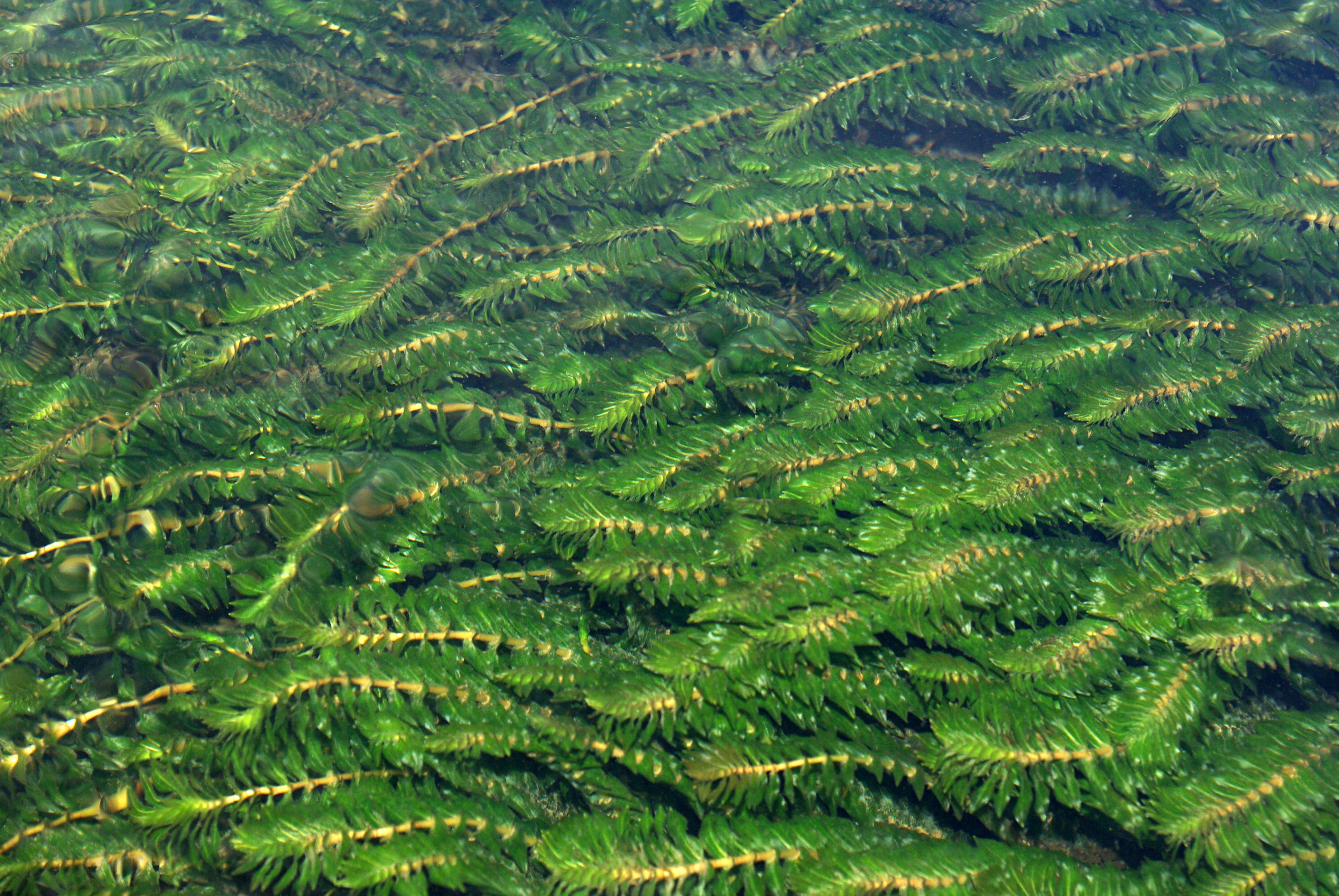
Opposite-leaved Pondweed
ENGroenlandia densa
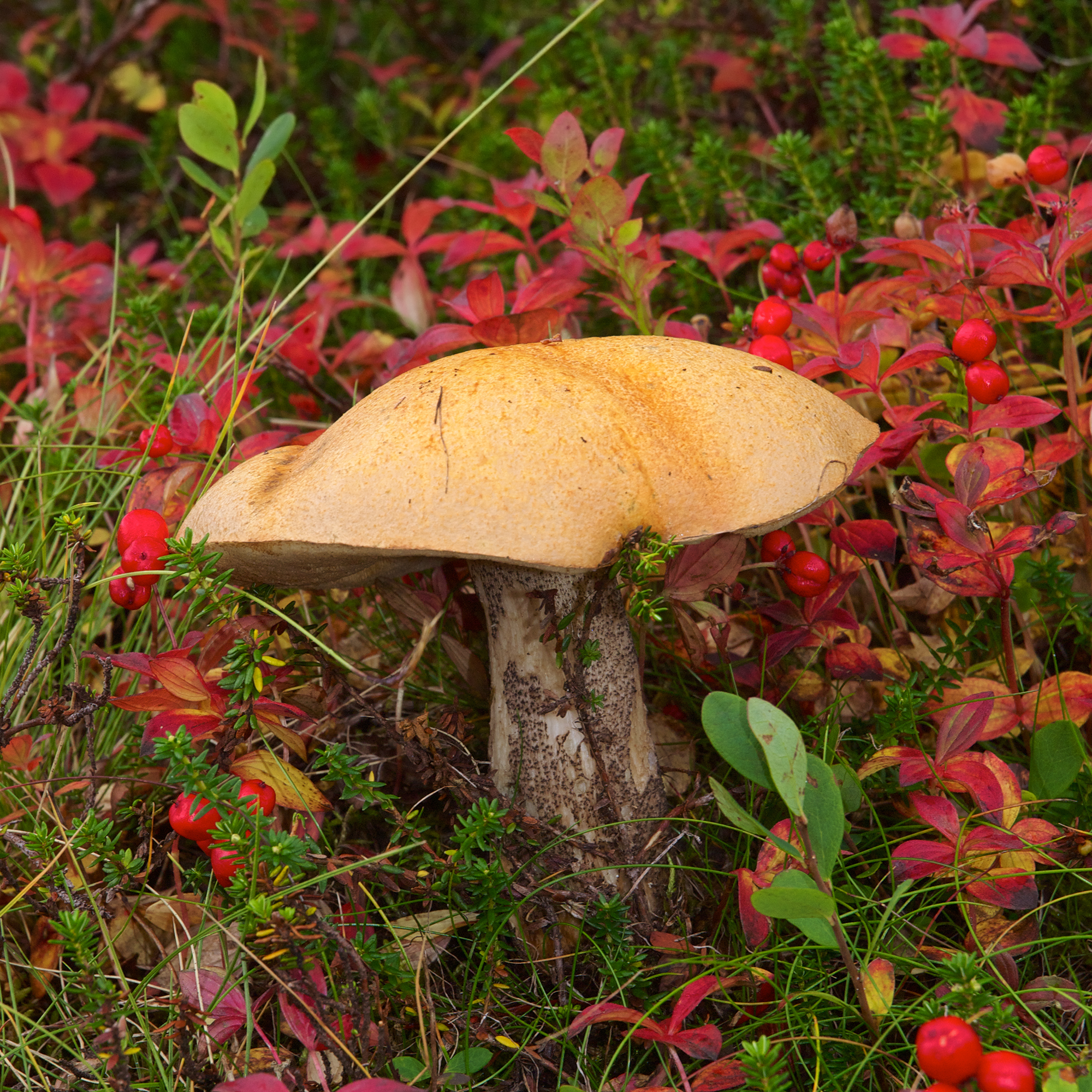
Orange Birch Bolete
VULeccinum versipelle
Orange Coral
VURamariopsis crocea
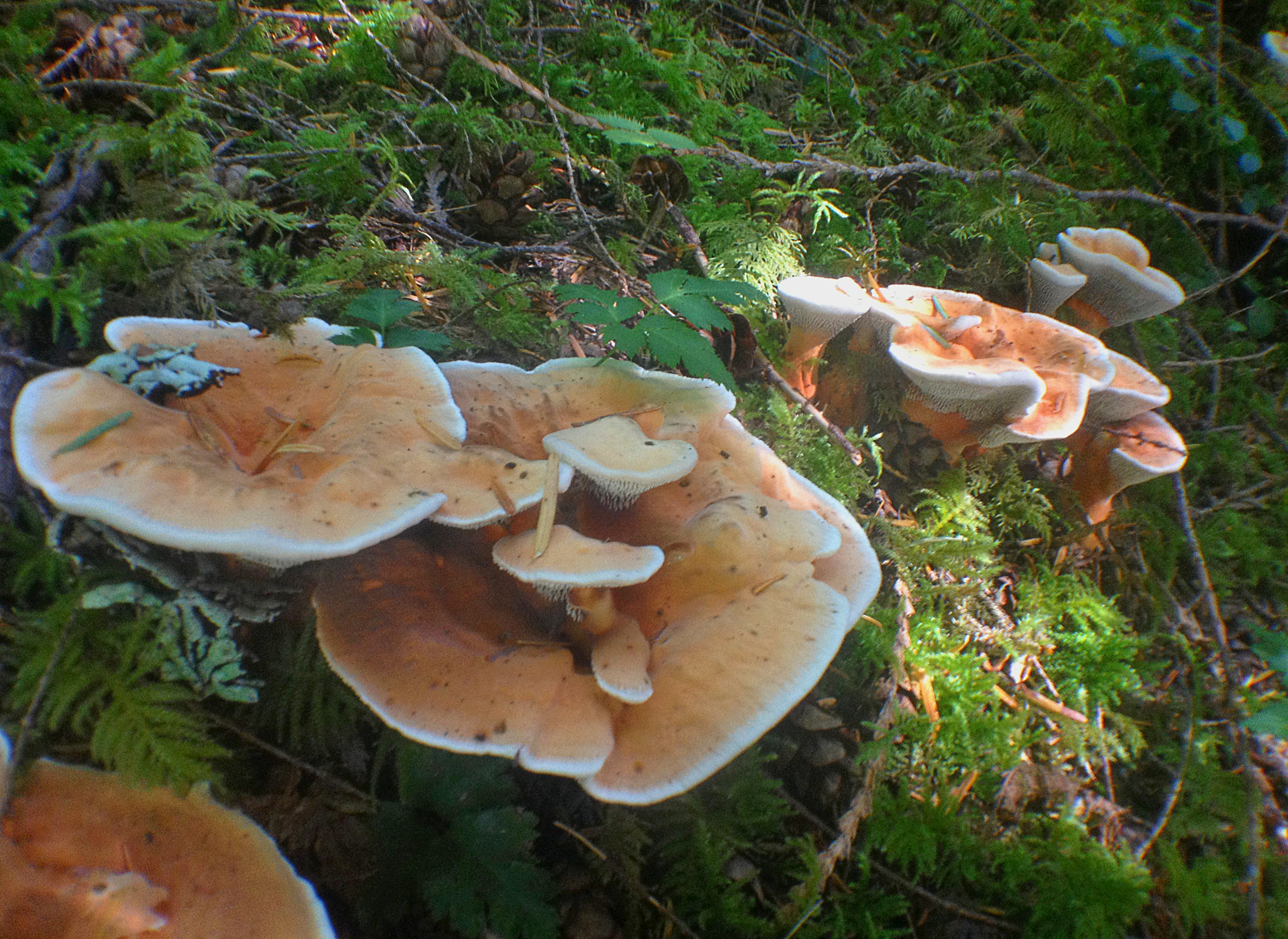
Orange Tooth
ENHydnellum aurantiacum

Orange-blotch Cosmet
ENChrysoclista lathamella

Orange-breasted Falcon
ENFalco deiroleucus

Orange-fronted Barbet
VUCapito squamatus
Orange-fruited Elm-lichen
CRCerothallia luteoalba
Orange-fruited Elm-lichen faces severe threats from air pollution and habitat degradation, which compromise the specific atmospheric conditions required for this sensitive epiphytic species. Urban expansion and industrial emissions have significantly reduced suitable habitat, while climate change alters precipitation patterns and temperature regimes critical for lichen survival.

orange-tipped grasshopper
ENOmocestus haemorrhoidalis

orangebandad kamnuding
VUTrinchesia foliata

Orchard Toothcrust
CRSarcodontia setosa
The Orchard Toothcrust faces severe threats from habitat loss due to the decline of traditional orchards and old-growth forests containing its essential host trees. Climate change and intensive agricultural practices have dramatically reduced suitable substrates, while pollution and pesticide use in modern farming further compromise the fungal communities this species depends on for survival.

Orchid
ENVanda tricolor

Orchis de Spitzel
VUOrchis spitzelii

Oregon Slender Salamander
VUBatrachoseps wrighti
orejas de burro
VUEspeletia grandiflora
oresinoberlav
ENRamboldia subcinnabarina
Øresunds-hønsetarm
ENCerastium subtetrandrum

Oriental Meadow Brown
CRHyponephele lupinus
The Oriental Meadow Brown faces severe population declines due to widespread habitat loss from agricultural intensification and urban development across its range. Climate change is altering the grassland ecosystems this species depends on, while overgrazing by livestock degrades the quality of remaining meadow habitats essential for breeding and larval development.

Orkney Notchwort
VUAnastrepta orcadensis
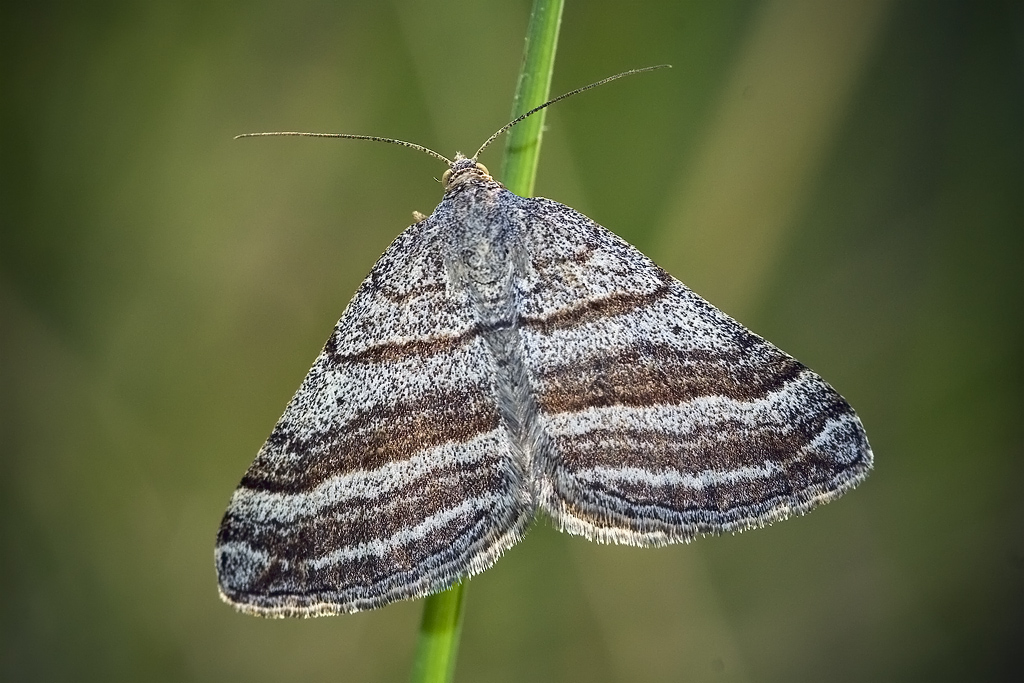
Ortholite rétrécie (L')
ENScotopteryx coarctaria
Orthotric de Roger
VUOrthotrichum rogeri

Ortolan Bunting
CREmberiza hortulana
The Ortolan Bunting faces severe population declines across its range due to intensive agricultural practices that have eliminated traditional farming landscapes and reduced insect prey availability. Illegal hunting and trapping for culinary purposes, particularly in Mediterranean countries, continues to impact populations despite legal protections. Climate change is altering breeding and wintering habitats, while habitat fragmentation has isolated remaining populations.
oskarshamnsfibbla
VUHieracium prolatescens
oslosprekklav
VUAcarospora impressula
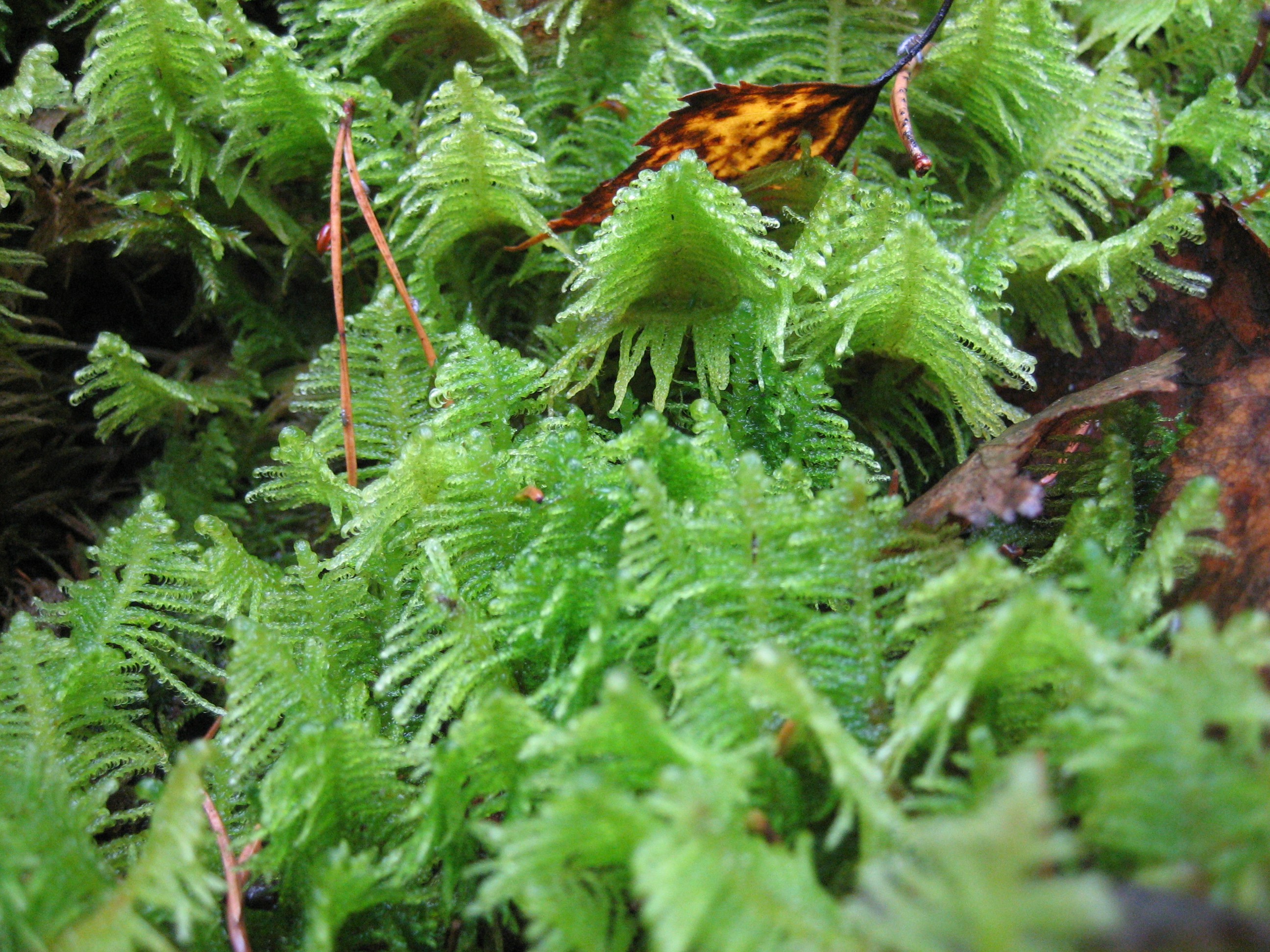
Ostrich-plume Moss
CRPtilium crista-castrensis
Ostrich-plume Moss faces severe threats from habitat destruction due to deforestation, logging, and land conversion in its specialized boreal and montane forest ecosystems. Climate change poses an additional critical threat by altering temperature and moisture regimes essential for this species' survival, while air pollution and acid deposition further degrade the delicate conditions required for moss growth and reproduction.
Ou
CRPsittirostra psittacea
The Ou faces severe threats from habitat destruction due to deforestation and agricultural conversion of native Hawaiian forests. Introduced diseases, particularly avian malaria and pox transmitted by non-native mosquitoes, have devastated populations, while competition from invasive bird species and habitat degradation from feral ungulates further threaten this endemic Hawaiian honeycreeper.

Oval-leaved Pottia
VUPterygoneurum ovatum
ovate tetrodontium moss
VUTetrodontium ovatum

Overleaf Pellia
VUPellia epiphylla
Oviary
CRAspidostemon trianthera
Aspidostemon trianthera faces severe population declines due to extensive habitat destruction from agricultural expansion and urban development across its limited range. The species' highly specialized habitat requirements and small, fragmented populations make it extremely vulnerable to environmental changes and human disturbance.
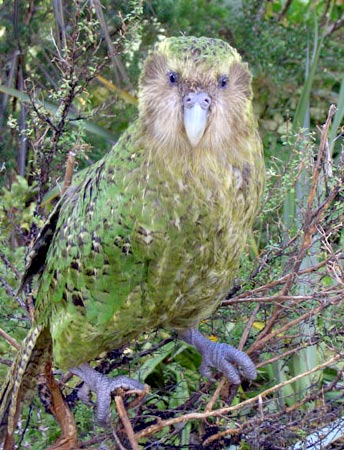
Owl Parrot
CRStrigops habroptila
The Owl Parrot faces severe threats from introduced mammalian predators, particularly stoats, cats, and rats, which prey on eggs, chicks, and adults of this flightless species. Habitat destruction from deforestation and human development has drastically reduced available nesting and foraging areas. The species' extremely slow reproductive rate, with females breeding only every 2-4 years when rimu fruit is abundant, makes population recovery exceptionally difficult.
Oxbow Diving Beetle
CRHydroporus rufifrons
The Oxbow Diving Beetle faces severe threats from habitat destruction and degradation of its specialized aquatic environments. Pollution from agricultural runoff and urban development, combined with climate change impacts on water levels and quality, have drastically reduced suitable habitat availability. The species' restricted range and specific habitat requirements make it particularly vulnerable to these ongoing pressures.