Species Explorer
Browse and search species from the IUCN Red List and GBIF.
54,666 species
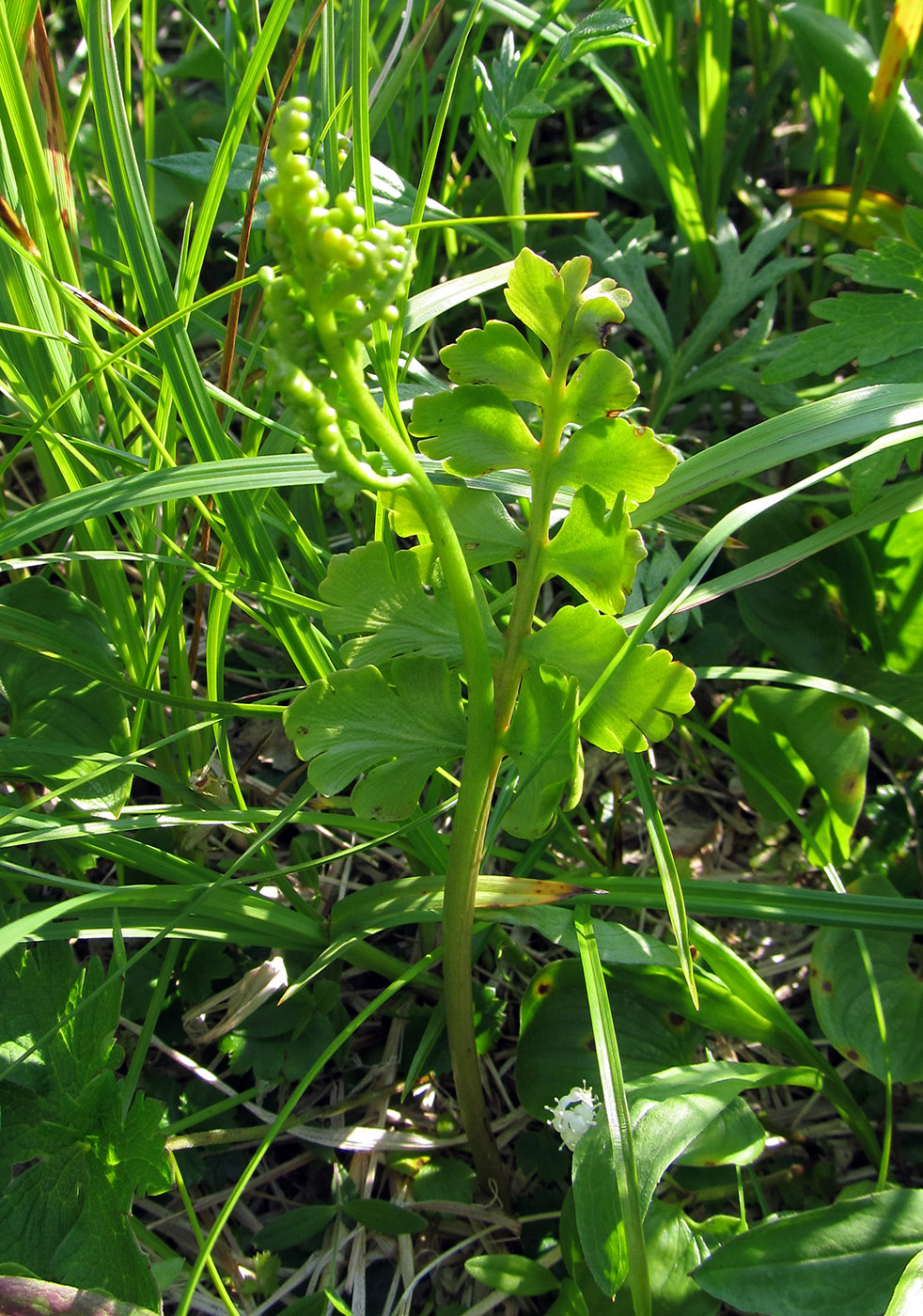
northern moonwort
VUBotrychium boreale

Northern Naked-tailed Armadillo
VUCabassous centralis

Northern Naugehyde Liverwort
ENPtilidium ciliare

Northern Neb
ENXystophora pulveratella

Northern Nutclam
VUNuculana pernula
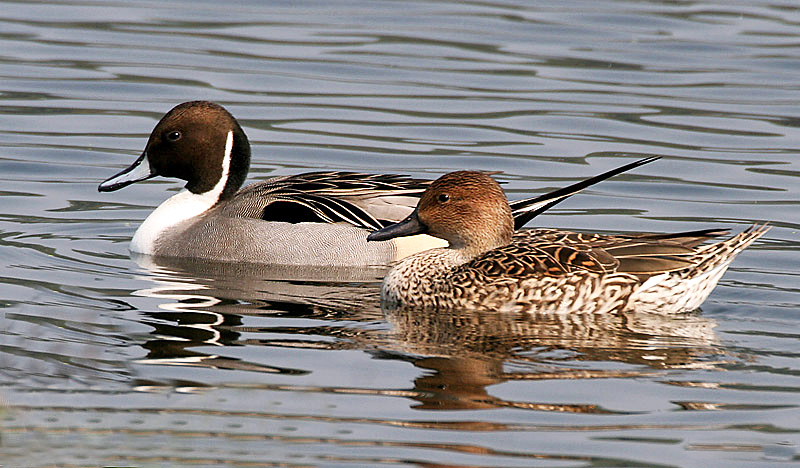
Northern Pintail
VUAnas acuta

Northern Pudu
VUPudu mephistophiles
Northern scarlet star
VUPseudarchaster parelii

Northern Shrike
CRLanius excubitor
The Northern Shrike faces severe population declines across much of its range due to habitat loss from agricultural intensification and urbanization, which eliminates the open woodlands and shrublands it requires for hunting. Climate change is altering prey availability and breeding conditions, while pesticide use reduces insect populations that form a crucial part of its diet, particularly during the breeding season when feeding young.
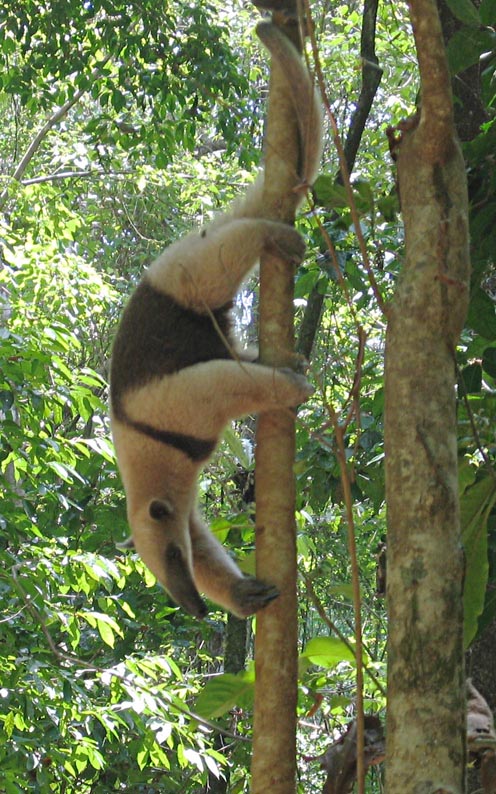
Northern Tamandua
VUTamandua mexicana
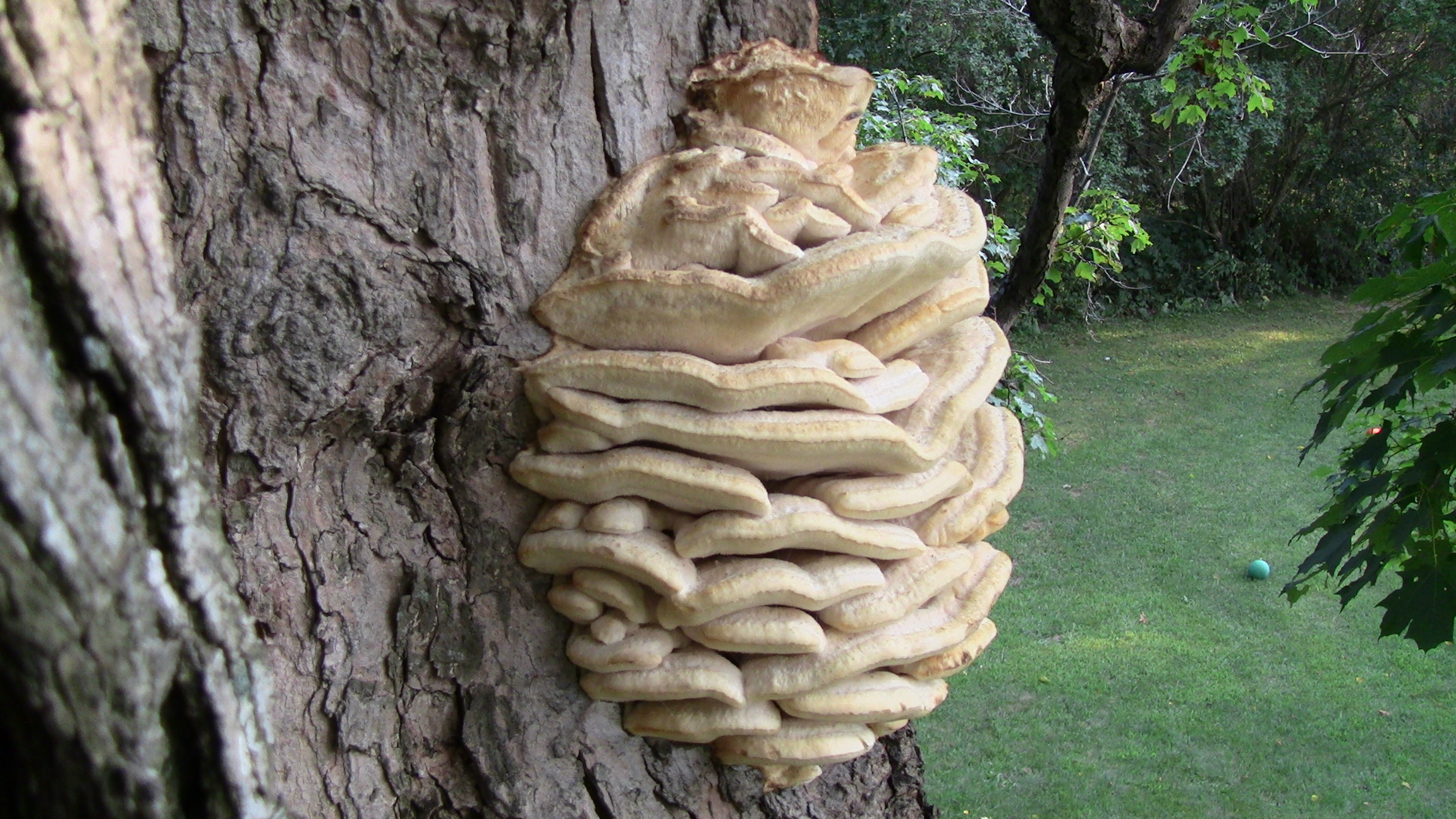
Northern Tooth
VUClimacodon septentrionalis
Northwestern mushroomtongue salamander
ENBolitoglossa sima
Norwegian specklebelly
VUPseudocyphellaria norvegica
Notch-wing Neb, Cottongrass Borer
ENMonochroa suffusella
Notched Rustwort
VUMarsupella emarginata
nunnespindling
VUCortinarius foetens
Oak Bracket
VUPseudoinonotus dryadeus
Oak Click Beetle
CRLacon querceus
The Oak Click Beetle faces severe population declines primarily due to the loss and fragmentation of ancient oak woodlands across its range. Intensive forest management practices, urbanization, and climate change have dramatically reduced the availability of suitable dead wood habitats essential for larval development. Conservation status may vary by region or assessment authority, but the species remains highly vulnerable to continued habitat degradation.

Oak Cosmet
VUDystebenna stephensi

Oak Lutestring
ENCymatophorina diluta
Oak Toothcrust
VURadulomyces molaris

Oak Woodwax
CRHygrophorus nemoreus
Oak Woodwax faces severe population declines due to widespread destruction and fragmentation of its specialized old-growth forest habitats. Climate change is altering the delicate moisture and temperature conditions this mycorrhizal species requires, while pollution and habitat degradation further compromise the health of its host oak trees and forest ecosystems.
Oak-tree Chelifer
ENLarca lata
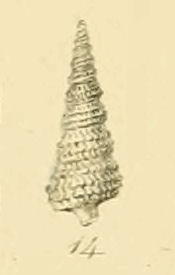
obelisksnegl
VUCerithiella metula
Oberthür's Grizzled Skipper
VUPyrgus armoricanus
Obscure Domecap
ENCalocybe obscurissima
Obscure graafwants
CROchetostethus opacus
Ochetostethus opacus faces severe population declines due to widespread habitat destruction from agricultural expansion and urban development across its range. The species' specialized habitat requirements and limited dispersal ability make it particularly vulnerable to fragmentation of remaining suitable areas.
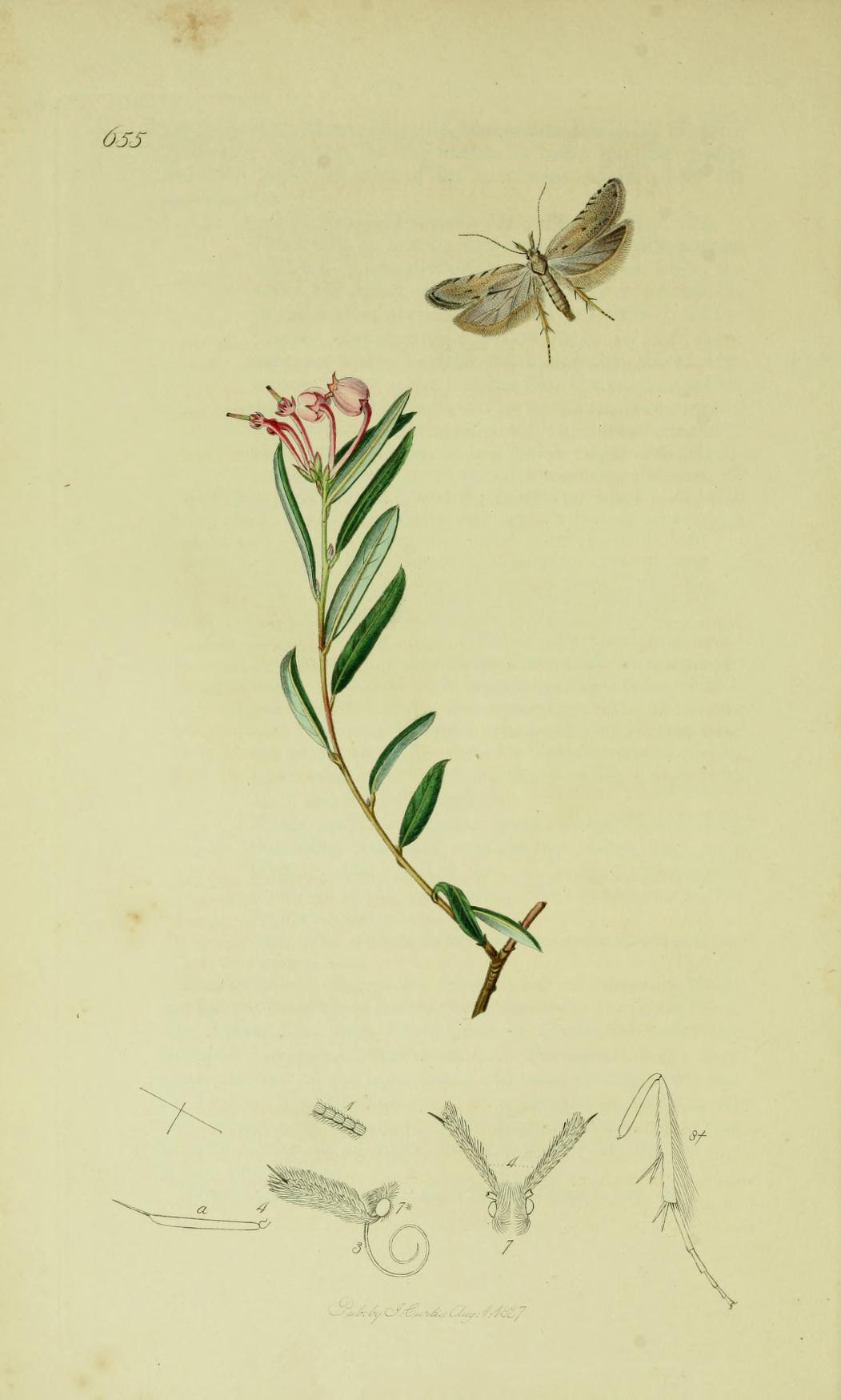
Obscure Snout, Small Sober
ENAnarsia spartiella
Obtuse Bog-moss
VUSphagnum obtusum

obtuse sedge
VUCarex obtusata

Ocellate River Stingray
VUPotamotrygon motoro

Ocellated Antbird
ENPhaenostictus mcleannani
Ocellated Brain Coral
VUCyphastrea ocellina

Ocelot
VULeopardus pardalis

Ochraceous Attila
VUAttila torridus
Ochre-Bellied Crayfish
CREuastacus mirangudijn
The Ochre-Bellied Crayfish faces severe threats from habitat degradation and water quality decline across its limited range in southeastern Australia. Agricultural runoff, urban development, and altered water flows have significantly impacted the pristine freshwater systems this species requires for survival.
Ockerbrauner Schirmling
VULepiota ochraceofulva
octopus coral
VUGalaxea cryptoramosa
oeverwolfspin
VUPardosa prativaga
Officier menteur
ENNecydalis major
ögonbrynsspindel
VUSaloca diceros

ögonfläckig stumpnuding
VUAegires punctilucens

Ohrid spirlin
VUAlburnoides ohridanus
okerblokklav
VUPorpidia ochrolemma
öländsk svavellav
CRCalogaya schistidii
Öländsk svavellav faces severe threats from habitat degradation and loss of suitable limestone substrates on Öland island. The species' extremely restricted range and specialized ecological requirements make it highly vulnerable to environmental changes and human disturbances in its coastal limestone habitats.
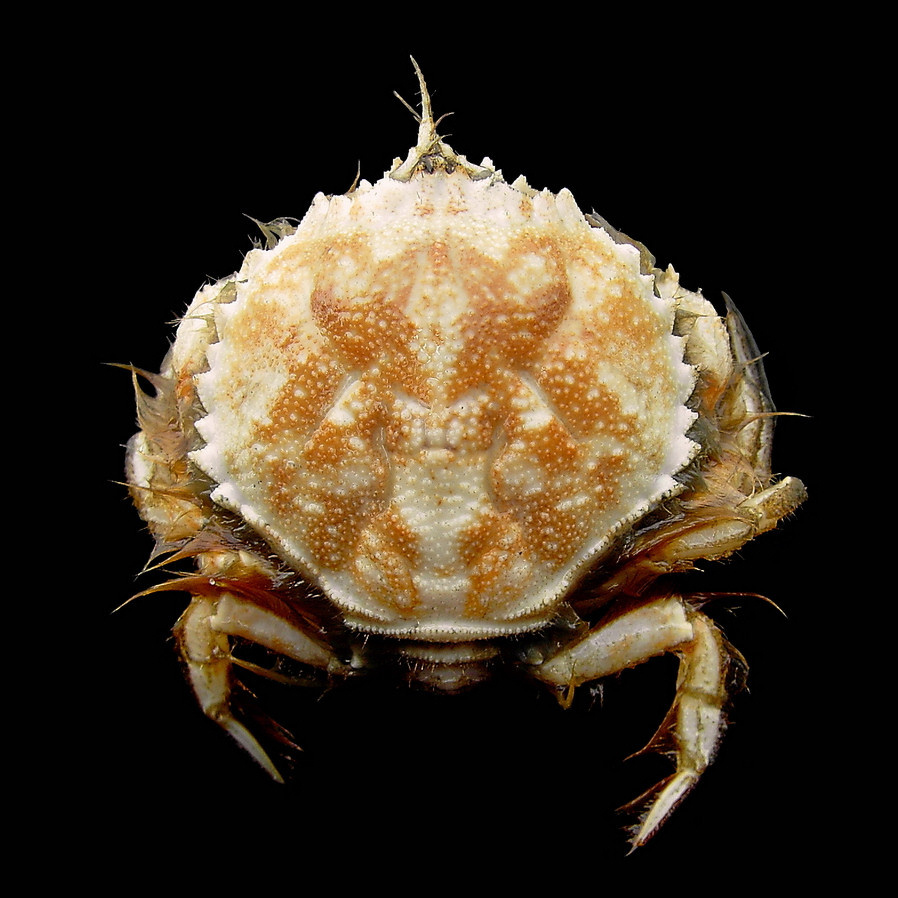
old-man's face crab
VUAtelecyclus rotundatus
Oldgrowth Rag Lichen
VUPlatismatia norvegica

Oldrose Bolete
CRImperator rhodopurpureus
The Oldrose Bolete faces severe threats from widespread deforestation and habitat fragmentation across its range, particularly affecting the mature forest ecosystems it depends on for survival. Climate change is altering precipitation patterns and temperature regimes critical for this mycorrhizal species, while pollution and soil contamination from agricultural and industrial activities are degrading the forest floor environments where it occurs.
olijfgroene russula
VURussula stenotricha
Olivbrauner Rauhkopf
VUCortinarius cotoneus