
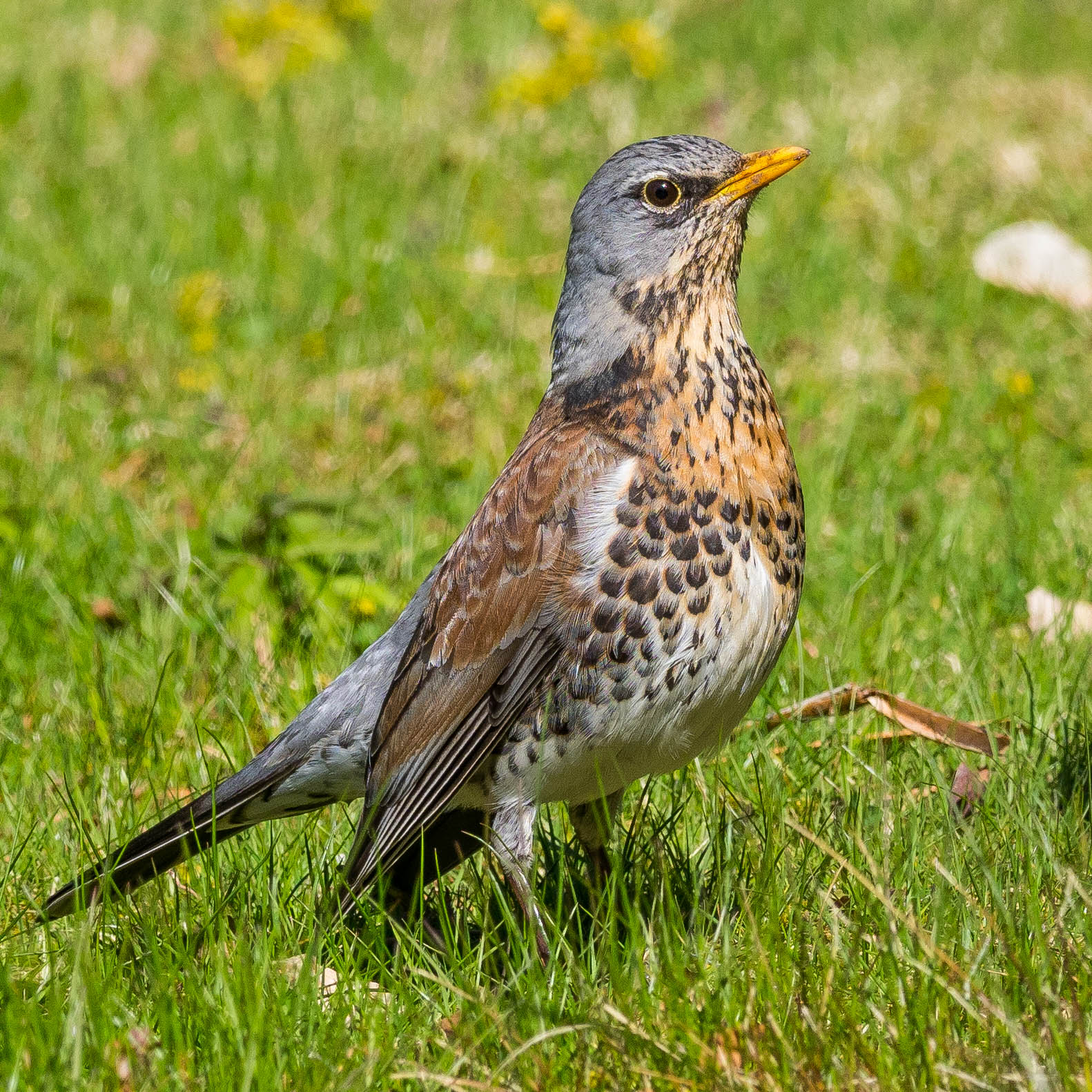
Omao
Myadestes obscurus
Photo: Wikimedia Commons (CC) via https://en.wikipedia.org/wiki/%CA%BB%C5%8Cma%CA%BBo
Overview
A detailed profile for this species is sourced from the IUCN Red List of Threatened Species as assessments become available.
The Omao faces severe pressure from introduced predators, particularly feral cats and rats that prey on eggs, nestlings, and adults. Habitat degradation from invasive plant species and feral ungulates has reduced the quality of native forest ecosystems essential for foraging and nesting. Disease transmission, especially avian malaria and pox carried by introduced mosquitoes, poses an increasing threat as climate change allows disease vectors to expand into higher elevation refugia.
Habitat
The Omao inhabits native wet and mesic forests on the Big Island of Hawaii, primarily in ohia-lehua and koa forests between 1,000-2,500 meters elevation. It prefers dense canopy areas with abundant native fruiting plants and insects, requiring intact forest ecosystems for both foraging and nesting.
Other threatened species in Turdidae


Frequently asked questions
Why is Omao classified as Vulnerable?
Where does Omao live?
What are the main threats to Omao?
Get weekly conservation intelligence
One short digest a week of the most striking species and country data we ship, plus breaking conservation news paired with our database where it matters.
Free, no spam. One-click unsubscribe in every email.