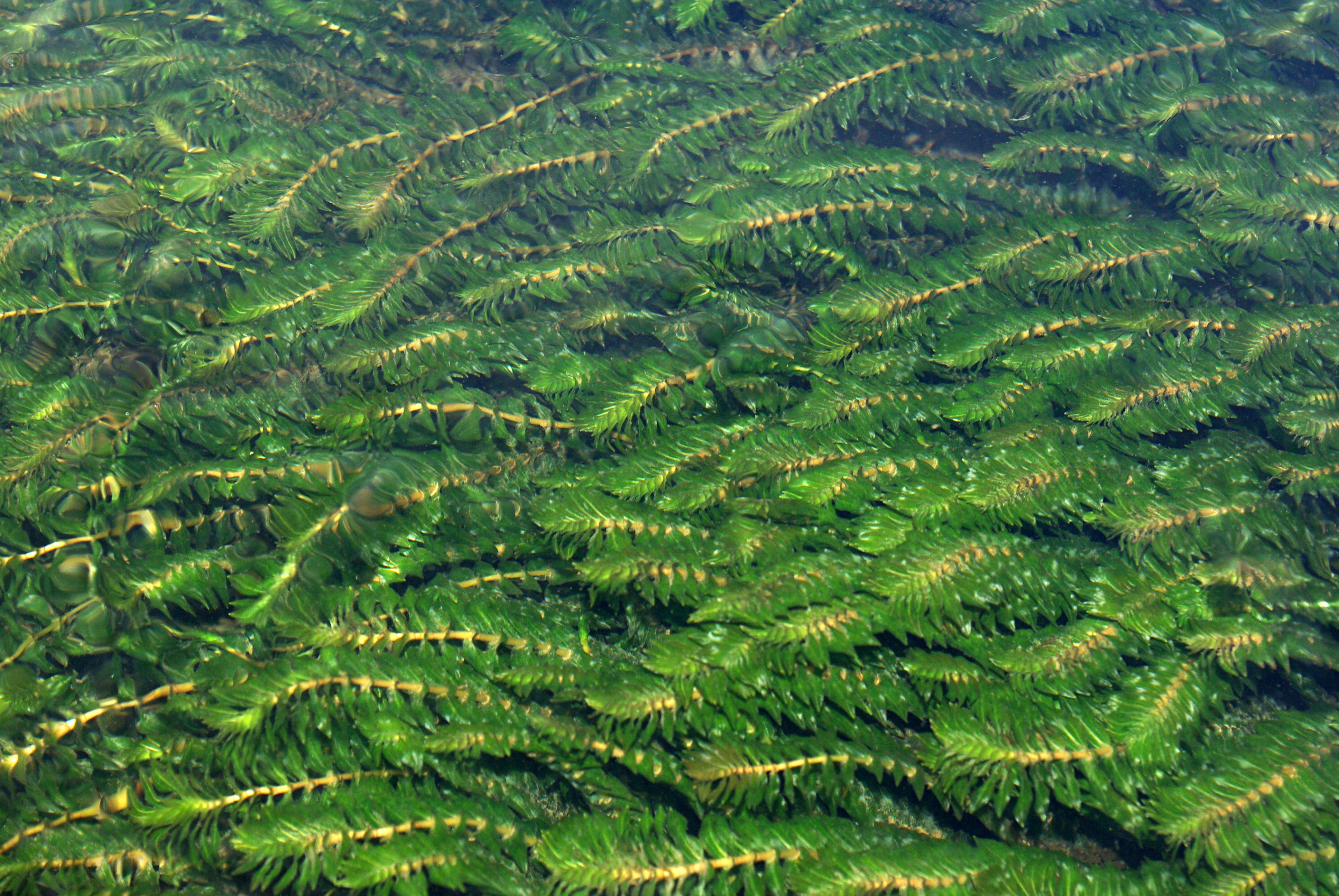
Opposite-leaved Pondweed
Groenlandia densa
Photo: Wikimedia Commons (CC) via https://en.wikipedia.org/wiki/Groenlandia
Overview
A detailed profile for this species is sourced from the IUCN Red List of Threatened Species as assessments become available.
Opposite-leaved Pondweed faces severe decline primarily due to water pollution from agricultural runoff and urban development, which increases nutrient levels and causes eutrophication in its freshwater habitats. Habitat destruction through wetland drainage and water extraction has eliminated many historical populations across Europe. Climate change compounds these pressures by altering water temperature and flow regimes in the clear, calcareous waters this species requires.
Habitat
This aquatic plant inhabits clear, calcareous freshwater environments including slow-flowing rivers, canals, ditches, and shallow lakes with alkaline conditions. It typically grows submerged in waters 0.5-3 meters deep, preferring areas with stable water levels and moderate nutrient concentrations.
Other threatened species in Potamogetonaceae



Frequently asked questions
Why is Opposite-leaved Pondweed classified as Endangered?
Where does Opposite-leaved Pondweed live?
What are the main threats to Opposite-leaved Pondweed?
Get weekly conservation intelligence
One short digest a week of the most striking species and country data we ship, plus breaking conservation news paired with our database where it matters.
Free, no spam. One-click unsubscribe in every email.