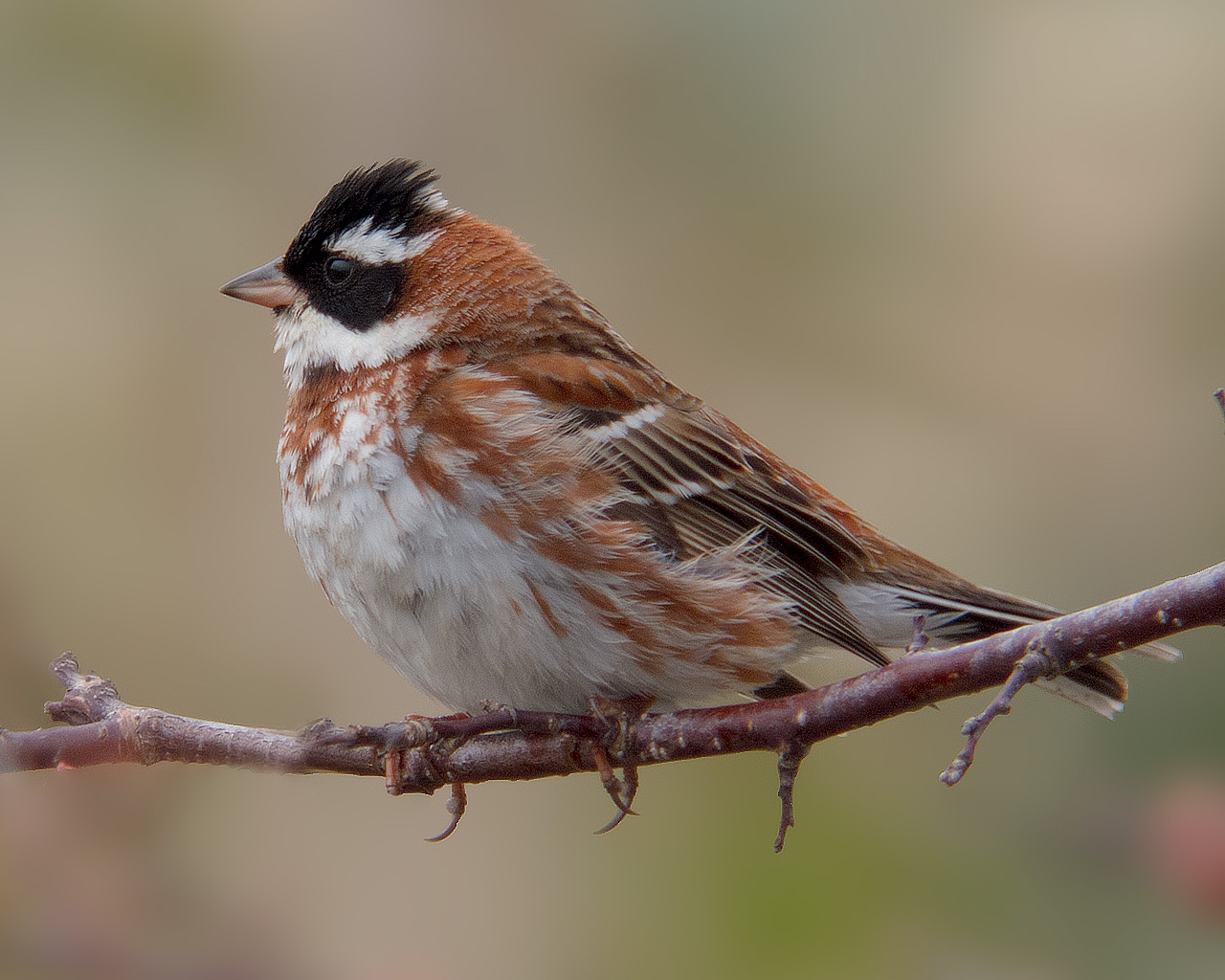
Ortolan Bunting
CRCritically Endangered

Ortolan Bunting

Emberiza hortulana

Conservation status data sourced from the IUCN Red List of Threatened Species.

Photo: Wikimedia Commons (CC) via https://en.wikipedia.org/wiki/Ortolan_bunting

01Classification

Taxonomy & Classification

Kingdom

Animalia

Phylum

Chordata

Class

Aves

Order

Passeriformes

Family

Emberizidae

Genus

Emberiza

Ortolan Bunting belongs to the family Emberizidae, order Passeriformes, within the Aves class.

02Description

Species Profile

Species profile data sourced from the IUCN Red List of Threatened Species.

The Ortolan Bunting faces severe population declines across its range due to intensive agricultural practices that have eliminated traditional farming landscapes and reduced insect prey availability. Illegal hunting and trapping for culinary purposes, particularly in Mediterranean countries, continues to impact populations despite legal protections. Climate change is altering breeding and wintering habitats, while habitat fragmentation has isolated remaining populations.

Key Facts

IUCN StatusCritically Endangered (CR)
GroupBirds
03Habitat

Habitat & Distribution

Open agricultural landscapes with scattered trees and bushes, including traditional farmland mosaics, grasslands, and scrubland areas typically between 200-2000m elevation. The species prefers areas with low-intensity farming practices that maintain hedgerows, field margins, and diverse vegetation structure.

TERRESTRIALMajorTERRESTRIALMajor
04Threats

Threats

!

IUCN Red List: Critically Endangered

The Ortolan Bunting faces severe population declines across its range due to intensive agricultural practices that have eliminated traditional farming landscapes and reduced insect prey availability. Illegal hunting and trapping for culinary purposes, particularly in Mediterranean countries, continues to impact populations despite legal protections. Climate change is altering breeding and wintering habitats, while habitat fragmentation has isolated remaining populations.

Agricultural intensification and habitat loss

HighOngoing

Climate change impacts on breeding and migration

HighOngoing

Illegal hunting and trapping

HighOngoing

Loss of insect prey due to pesticide use

HighOngoing

Habitat fragmentation

MediumOngoing
07National Status

National vs Global Threat Status

How this species is assessed at the national level compared to its IUCN global status (CR).

CountryNational StatusGlobal StatusComparison
EULCLeast ConcernCRCritically EndangeredLower local risk

National Red List data sourced from the National Red List Project (nationalredlist.org, ZSL) and country-specific Red List authorities.

Community

Community Sightings

Report a sighting

No community sightings yet. Be the first to report!

07Sources

Sources & Attribution

How to Cite

IUCN: IUCN (2025). The IUCN Red List of Threatened Species. Version 2025-1. Available at: https://www.iucnredlist.org. doi:10.2305/IUCN.UK.2025-1.RLTS

GBIF: GBIF.org (2025). GBIF Home Page. Available at: https://www.gbif.org

National Red Lists: ZSL (2025). National Red List. Zoological Society of London. Available at: https://www.nationalredlist.org

This page: SpeciesRadar (2025). Ortolan Bunting (Emberiza hortulana). SpeciesRadar: Intelligence for Earth's Biodiversity. Available at: https://speciesradar.org/species/ortolan-bunting

Full citation guide & data usage terms