
Oriental Meadow Brown
Hyponephele lupinus
Photo: Wikimedia Commons (CC) via https://en.wikipedia.org/wiki/Hyponephele_lupina
Overview
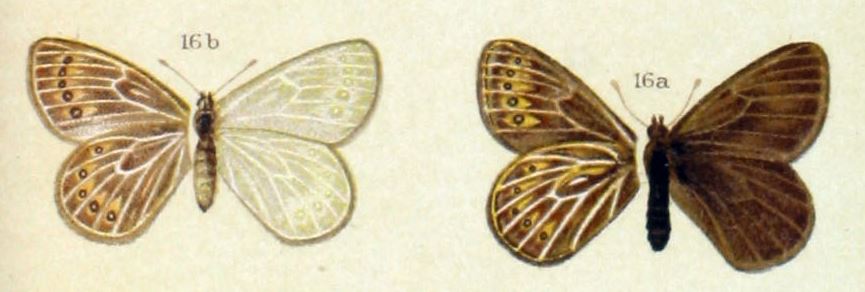
Hyponephele lupina, the Oriental meadow brown or branded meadowbrown, is a butterfly of the family Nymphalidae. It is found in North Africa, south western Europe, southern Russia, Asia Minor, southern Siberia, Middle Asia, Iran and from Baluchistan to Nepal.Seitz describes it thus- lupinus Costa is rather considerably larger than the forms [of Epinepele] so far named; the rusty yellow on the underside of the forewing is brighter, the underside of the hindwing strongly speckled. Southern Italy, Greece.
The Oriental Meadow Brown faces severe population declines due to widespread habitat loss from agricultural intensification and urban development across its range. Climate change is altering the grassland ecosystems this species depends on, while overgrazing by livestock degrades the quality of remaining meadow habitats essential for breeding and larval development.
Habitat
Natural grasslands, meadows, and steppe environments with diverse native grass species, typically at elevations between 500-2000m. The species requires areas with a mix of short and tall grasses that support its larval host plants and provide nectar sources for adults.
Other threatened species in Nymphalidae


Threatened in Afghanistan

Frequently asked questions
Why is Oriental Meadow Brown classified as Critically Endangered?
Where does Oriental Meadow Brown live?
What are the main threats to Oriental Meadow Brown?
Get weekly conservation intelligence
One short digest a week of the most striking species and country data we ship, plus breaking conservation news paired with our database where it matters.
Free, no spam. One-click unsubscribe in every email.