Species Explorer
Browse and search species from the IUCN Red List and GBIF.
54,666 species
Milky Sand Stargazer
VUDactyloscopus lacteus

Milos Wall Lizard
VUPodarcis milensis

Minas Gerais Tyrannulet
ENPhylloscartes roquettei

Mindoro Imperial-Pigeon
ENDucula mindorensis
mindre barkplattbagge
CRPytho abieticola
Pytho abieticola faces severe population declines due to intensive forest management practices that remove the dead and dying coniferous trees essential for its survival. Climate change and forest fragmentation further threaten this species by reducing the availability of suitable breeding substrates and disrupting the natural forest dynamics it depends upon.

mindre bergsyredystermal
VUMonochroa rumicetella

mindre fältmalörtsrotvecklare
VUCochylidia moguntiana
mindre fräkenvivel
VUGrypus brunnirostris
mindre fransormstjärna
VUOphiura robusta
mindre kungsljusvivel
CRCionus nigritarsis
Mindre kungsljusvivel faces severe threats from habitat loss due to agricultural intensification and urbanization, which destroys the specific plant communities it depends on for breeding and feeding. The species' highly specialized relationship with its host plants makes it particularly vulnerable to environmental changes and habitat fragmentation.

mindre parkblomfluga
VUMyolepta dubia
mindre ringhornsharkrank
VUTipula zonaria
Mindre Savblomfluga
ENBrachyopa obscura

Minevarya Frog
ENMinervarya sahyadris

Minnow
CRPhoxinus phoxinus
The European minnow faces severe population declines across its range due to habitat degradation and water quality deterioration in freshwater systems. Pollution from agricultural runoff, urban development, and climate-induced changes to stream temperatures and flow patterns have significantly reduced suitable habitat availability. Conservation status may vary by region or assessment authority, but multiple threats continue to impact remaining populations.
Mint Flea Beetle
CRLongitarsus ferrugineus
The Mint Flea Beetle faces severe population declines due to habitat loss from agricultural intensification and urban development that destroys its specialized mint-rich environments. Pesticide use in agricultural areas and climate change impacts on its host plants further threaten remaining populations, while its narrow ecological requirements make it particularly vulnerable to environmental changes.
Minuartie visqueuse
CRSabulina viscosa
Minuartie visqueuse faces severe threats from habitat destruction and fragmentation of its specialized coastal environments. The species' extremely limited distribution and small population size make it highly vulnerable to environmental changes and human activities along Mediterranean coastlines.
Minute Brittlegill
VURussula minutula
mirakelskinn
VUAtheloderma mirabile
Mire Navel
ENArrhenia philonotis
mjöl-ägglav
ENCandelariella reflexa
mjölig dropplav
VUCliostomum leprosum
mjölig lundlav
VUBacidina delicata
mo-traslav
CRScytinium tetrasporum
Scytinium tetrasporum faces severe threats from air pollution, particularly nitrogen deposition and sulfur compounds that alter the chemical composition of its substrate and disrupt its symbiotic relationships. Habitat loss due to urbanization and industrial development has eliminated many suitable sites, while climate change is altering moisture regimes critical for this lichen's survival.

moerasblinker
VUHeliophanus auratus

moerasglimlijfje
VULejogaster tarsata

moerasgrashalmdansvlieg
VUHybos femoratus
moerasmolspin
ENRobertus arundineti
möfibbla
CRHieracium placibile
Hieracium placibile faces severe threats from habitat loss due to agricultural expansion and urban development in its limited range. The species' highly specialized habitat requirements and small population size make it extremely vulnerable to environmental changes and human disturbance.

Mole-cricket
ENGryllotalpa gryllotalpa

Mollusc Ctenidium Moss
ENCtenidium molluscum
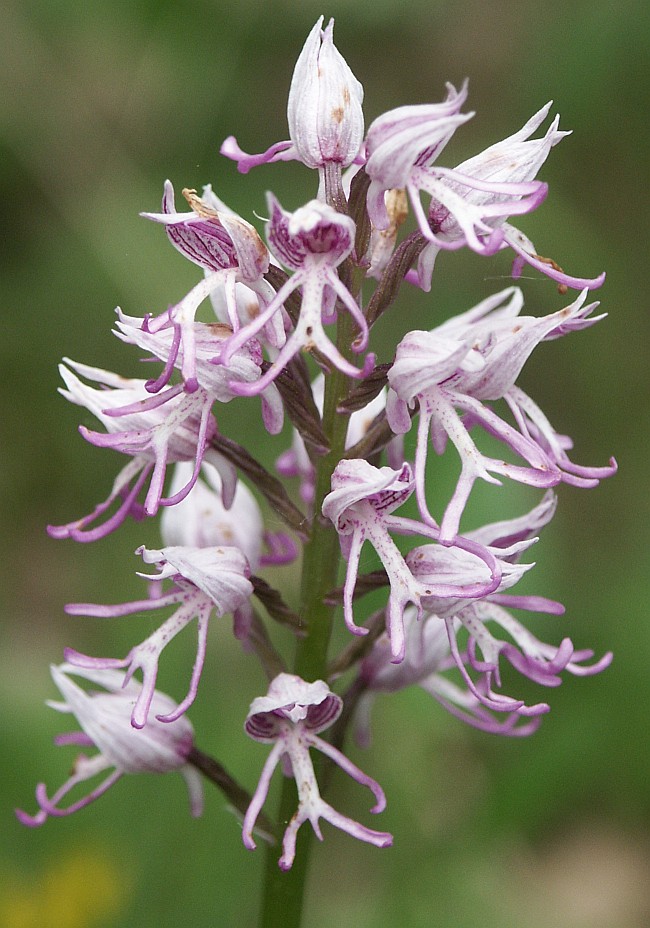
Monkey Orchid
CROrchis simia
The Monkey Orchid faces severe population declines across its range due to habitat destruction from agricultural expansion and urban development, which has eliminated many of the calcareous grasslands and woodland edges it requires. Overcollection by orchid enthusiasts and changes in traditional land management practices that maintained suitable habitat conditions have further accelerated its decline to critically endangered status.

Montagu's Harrier
ENCircus pygargus
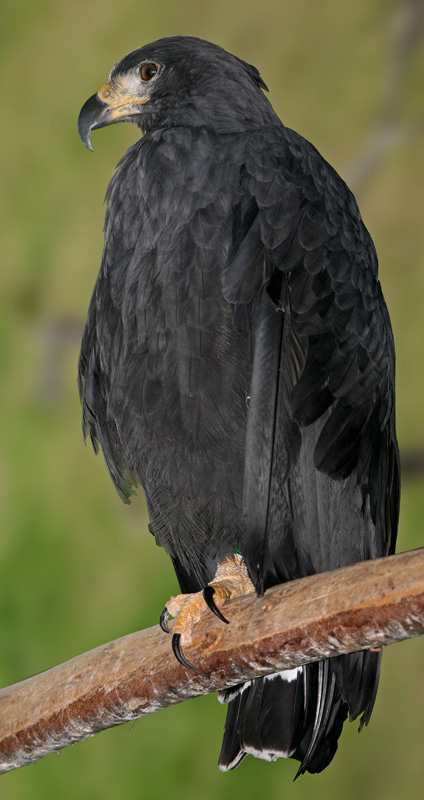
Montane Solitary Eagle
ENHarpyhaliaetus solitarius

Monterrey Spanish Mackerel
VUScomberomorus concolor

Moor Frog
VURana arvalis
Moor-Muscheling
ENHohenbuehelia longipes
Moor-Schüppling
ENPholiota henningsii
Moor-Zärtling
ENPsathyrella sphagnicola

Moorland Clouded Yellow
CRColias palaeno
The Moorland Clouded Yellow faces severe population declines due to habitat loss from agricultural intensification, peat bog drainage, and climate change impacts on its specialized moorland ecosystems. Rising temperatures and altered precipitation patterns are shifting suitable habitat ranges northward and to higher elevations, while remaining populations become increasingly fragmented and isolated.
mörk askstyltmal
VUGracillaria loriolella
mörk kådsvartspik
VUChaenothecopsis montana
mörk lundlav
CRScutula effusa
Mörk lundlav faces severe threats from air pollution, particularly nitrogen deposition and sulfur compounds, which alter the chemical composition of its substrate and disrupt its growth. Habitat loss through deforestation and urbanization has eliminated many suitable old-growth forest sites, while climate change is shifting temperature and humidity patterns beyond the species' tolerance range.
mørk mjølsopp
VUClitopilus paxilloides
mörk nästingbagge
CRChoragus horni
The mörk nästingbagge (Choragus horni) faces severe population declines due to habitat loss and degradation of its specialized fungal microhabitats. This small weevil's dependence on specific fungal associations in decaying wood makes it extremely vulnerable to forest management practices and climate-induced changes in fungal communities.
mörk pingborre
VUAmphimallon fallenii
mörk rödprick
VUArthonia incarnata
mörk sandkortvinge
VUPhytosus spinifer
mörk slokfibbla
ENHieracium penduliforme
Mørk uldlav
CREphebe hispidula
Mørk uldlav (Ephebe hispidula) faces severe threats from air pollution and acid rain, which directly damage its sensitive thallus structure and disrupt its photosynthetic processes. Climate change compounds these pressures by altering precipitation patterns and increasing temperature extremes that exceed the species' narrow tolerance range. Habitat loss through deforestation and urban development further reduces available substrate for this specialized lichen.