Mire Navel
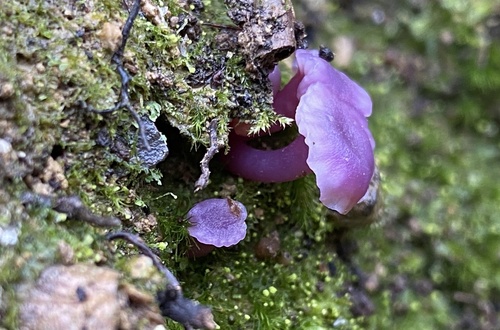
Arrhenia philonotis
Overview
A detailed profile for this species is sourced from the IUCN Red List of Threatened Species as assessments become available.
The Mire Navel faces severe decline due to the widespread destruction and degradation of its specialized bog and fen habitats across Europe. Drainage for agriculture, peat extraction, and urban development have eliminated many of the pristine wetland ecosystems this species requires. Climate change compounds these pressures by altering precipitation patterns and increasing temperatures, which can dry out the delicate moisture balance essential for both the fungus and its associated moss communities.
Habitat
Arrhenia philonotis is found exclusively in nutrient-poor, acidic bogs and fens across northern and central Europe, where it grows among Sphagnum mosses and other bog vegetation. This specialized fungus requires the unique chemical conditions and moisture levels found only in these pristine wetland ecosystems.
Other threatened species in Hygrophoraceae

Frequently asked questions
Why is Mire Navel classified as Endangered?
Where does Mire Navel live?
What are the main threats to Mire Navel?
Get weekly conservation intelligence
One short digest a week of the most striking species and country data we ship, plus breaking conservation news paired with our database where it matters.
Free, no spam. One-click unsubscribe in every email.