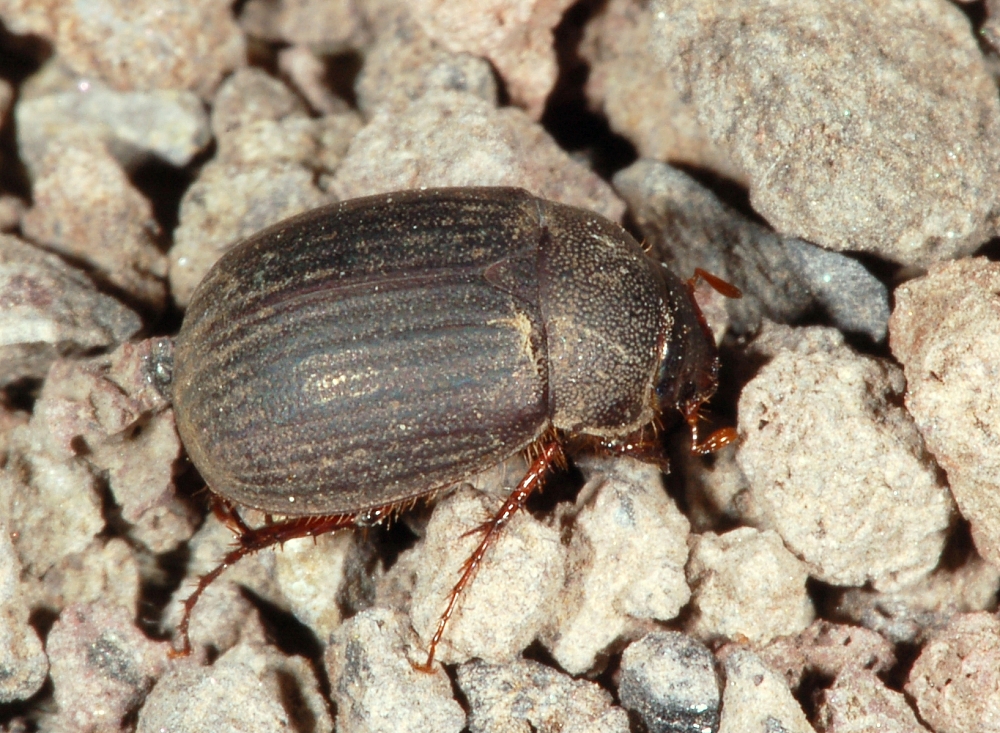
Amphimallon fallenii
Overview
A detailed profile for this species is sourced from the IUCN Red List of Threatened Species as assessments become available.
The mörk pingborre faces severe population declines primarily due to habitat loss from agricultural intensification and urban development across its Scandinavian range. Traditional farming practices that maintained suitable sandy soils and sparse vegetation have been replaced by intensive agriculture, eliminating the specific microhabitat conditions this beetle requires. Climate change poses an additional threat by altering soil moisture regimes and vegetation patterns in the coastal and inland sandy areas where populations persist.
Habitat
This scarab beetle inhabits sandy soils in coastal dunes, heathlands, and areas with sparse vegetation across Scandinavia. It requires specific soil conditions with good drainage and low nutrient levels, typically found in traditional agricultural landscapes and natural sandy environments.
Other threatened species in Scarabaeidae
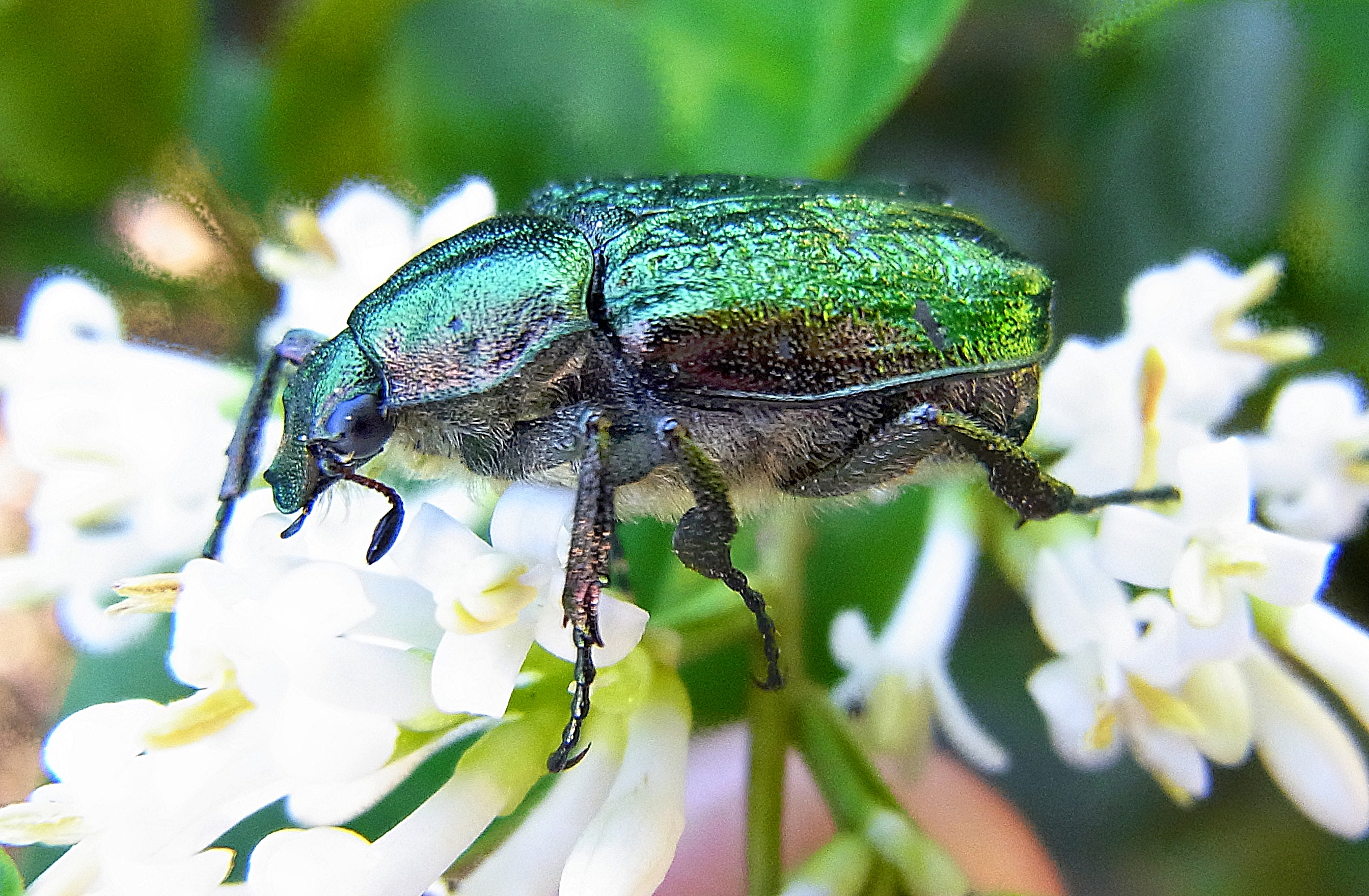
Threatened in Denmark

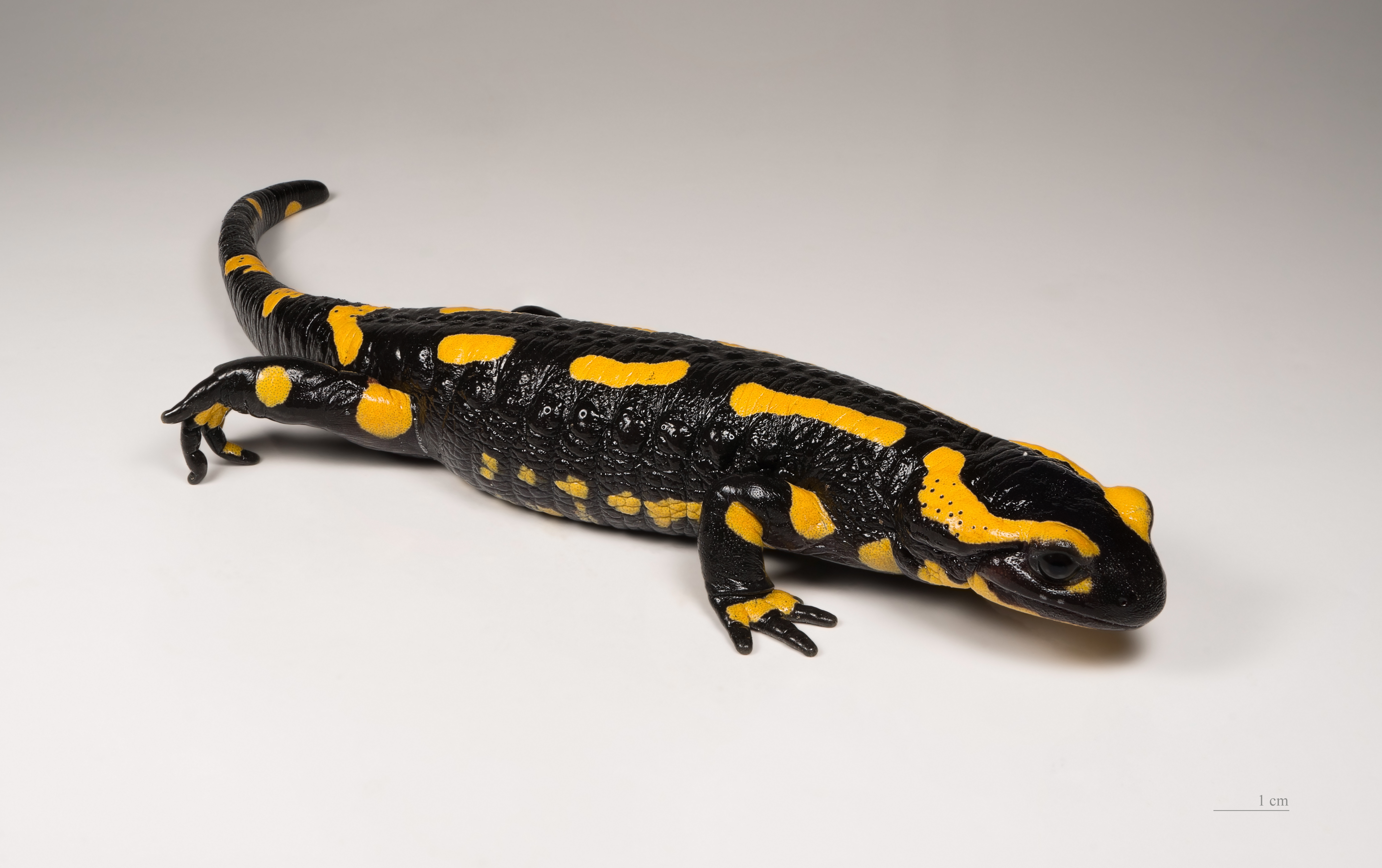
Frequently asked questions
Why is Amphimallon fallenii classified as Vulnerable?
Where does Amphimallon fallenii live?
What are the main threats to Amphimallon fallenii?
Get weekly conservation intelligence
One short digest a week of the most striking species and country data we ship, plus breaking conservation news paired with our database where it matters.
Free, no spam. One-click unsubscribe in every email.