Species Explorer
Browse and search species from the IUCN Red List and GBIF.
54,666 species

Marsh Whorl Snail
CRVertigo antivertigo
The Marsh Whorl Snail faces severe threats from wetland habitat destruction and degradation due to agricultural conversion, urban development, and drainage of marshes and fens. Climate change-induced alterations to water levels and increased frequency of extreme weather events further threaten the specialized calcareous wetland environments this species requires. Pollution from agricultural runoff and invasive plant species that alter habitat structure compound these pressures on remaining populations.

Marsh-bedstraw
CRGalium palustre
Marsh-bedstraw faces severe threats from widespread wetland habitat destruction and degradation due to agricultural conversion, urban development, and water management practices. Climate change is altering precipitation patterns and water levels in remaining marsh habitats, while pollution from agricultural runoff and invasive species competition further compromise the specialized wetland ecosystems this species depends upon.
Marsh's dutchman's pipe
ENAristolochia pentandra

Marshmallow Polypore
CRIrpiciporus pachyodon
The Marshmallow Polypore faces severe threats from widespread deforestation and habitat fragmentation across its range, particularly affecting the old-growth forests it depends upon for suitable host trees. Climate change is altering forest composition and moisture regimes critical for this fungal species, while increased human development continues to reduce available habitat.

måsknotbagge
CRTrox hispidus
Trox hispidus faces severe population declines due to habitat loss from agricultural expansion and urbanization, which destroys the specific microhabitats required for its carrion-dependent lifecycle. The species' specialized feeding requirements on animal carcasses make it particularly vulnerable to changes in land use patterns and the widespread use of veterinary pharmaceuticals that contaminate its food sources.
massaranduba
ENPouteria andarahiensis

Mat lindebuk
CRStenostola ferrea
Mat lindebuk faces severe population declines due to widespread deforestation and habitat fragmentation across its range. The species' dependence on specific host trees makes it particularly vulnerable to logging activities and agricultural conversion, while its limited dispersal ability prevents recolonization of degraded areas.
Matchstick Flapwort
VUOdontoschisma denudatum

Matt Felt Lichen
ENPeltigera malacea
matt getingbi
VUNomada opaca
matt sollöpare
CRPoecilus punctulatus
Matt sollöpare faces severe population declines due to intensive agricultural practices and habitat degradation across its range. The species is particularly vulnerable to pesticide use and the conversion of traditional agricultural landscapes to intensive monocultures, which eliminate the diverse microhabitats essential for its survival.

Maui Akepa
CRLoxops ochraceus
The Maui Akepa faces severe threats from habitat destruction due to deforestation and conversion of native forests for agriculture and development. Introduced diseases, particularly avian malaria and pox transmitted by non-native mosquitoes, have devastated populations, while invasive plant species continue to degrade remaining forest habitats.

Maui Nukupuu
CRHemignathus affinis
The Maui Nukupuu faces severe threats from habitat destruction due to deforestation and agricultural conversion of native Hawaiian forests. Introduced diseases like avian malaria and pox, spread by non-native mosquitoes, have devastated populations, while invasive plant species continue to degrade remaining habitat quality.

Maui reedgrass
VUCalamagrostis expansa

May Shade
ENCnephasia communana

Mcnamara's Burrowing Snake
VUPseudorabdion mcnamarae

Meadow Barley
ENHordeum secalinum
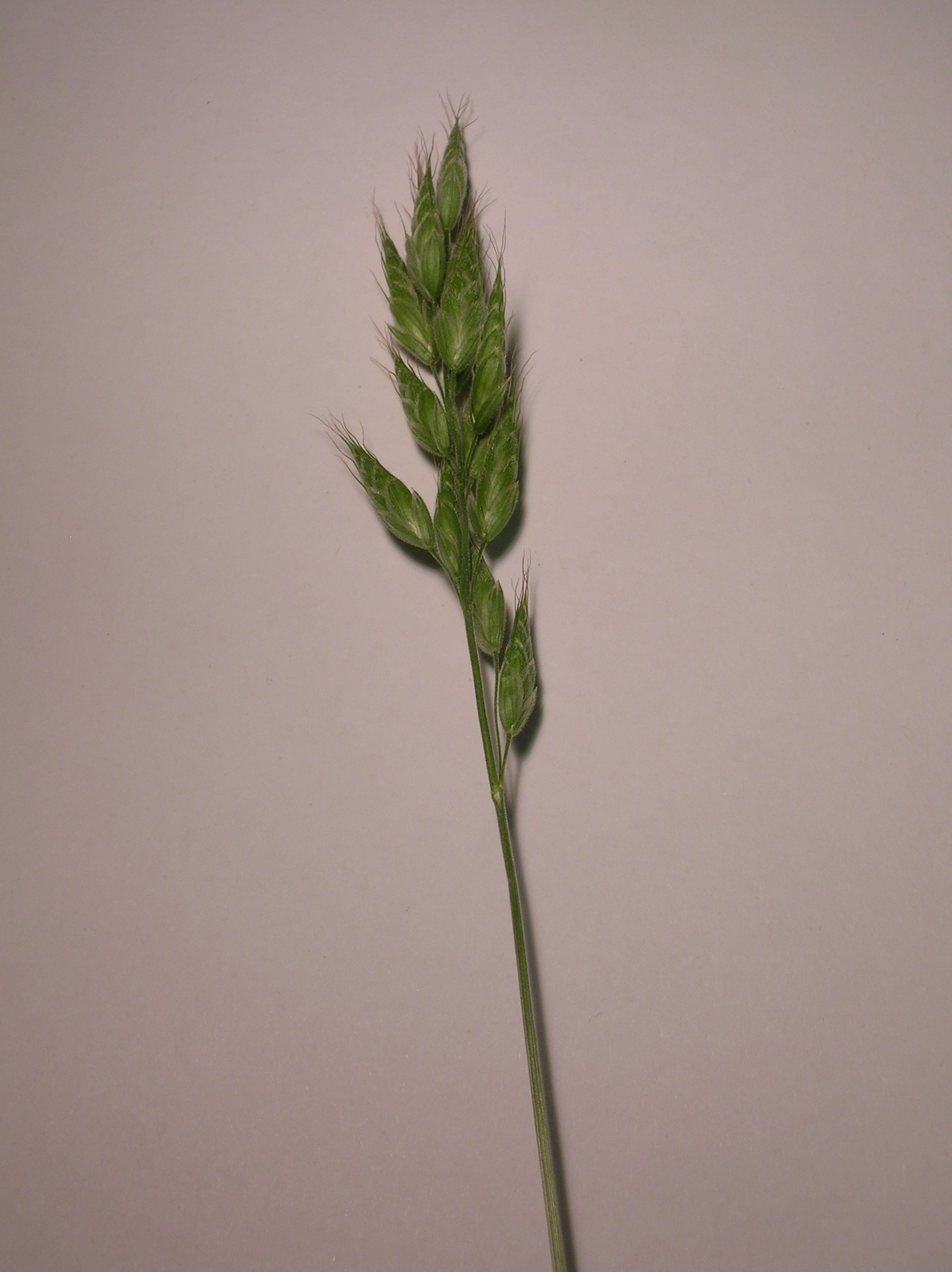
Meadow Brome
ENBromus commutatus

Meadow Clary
VUSalvia pratensis

Meadow Dwarf
VUElachista triatomea
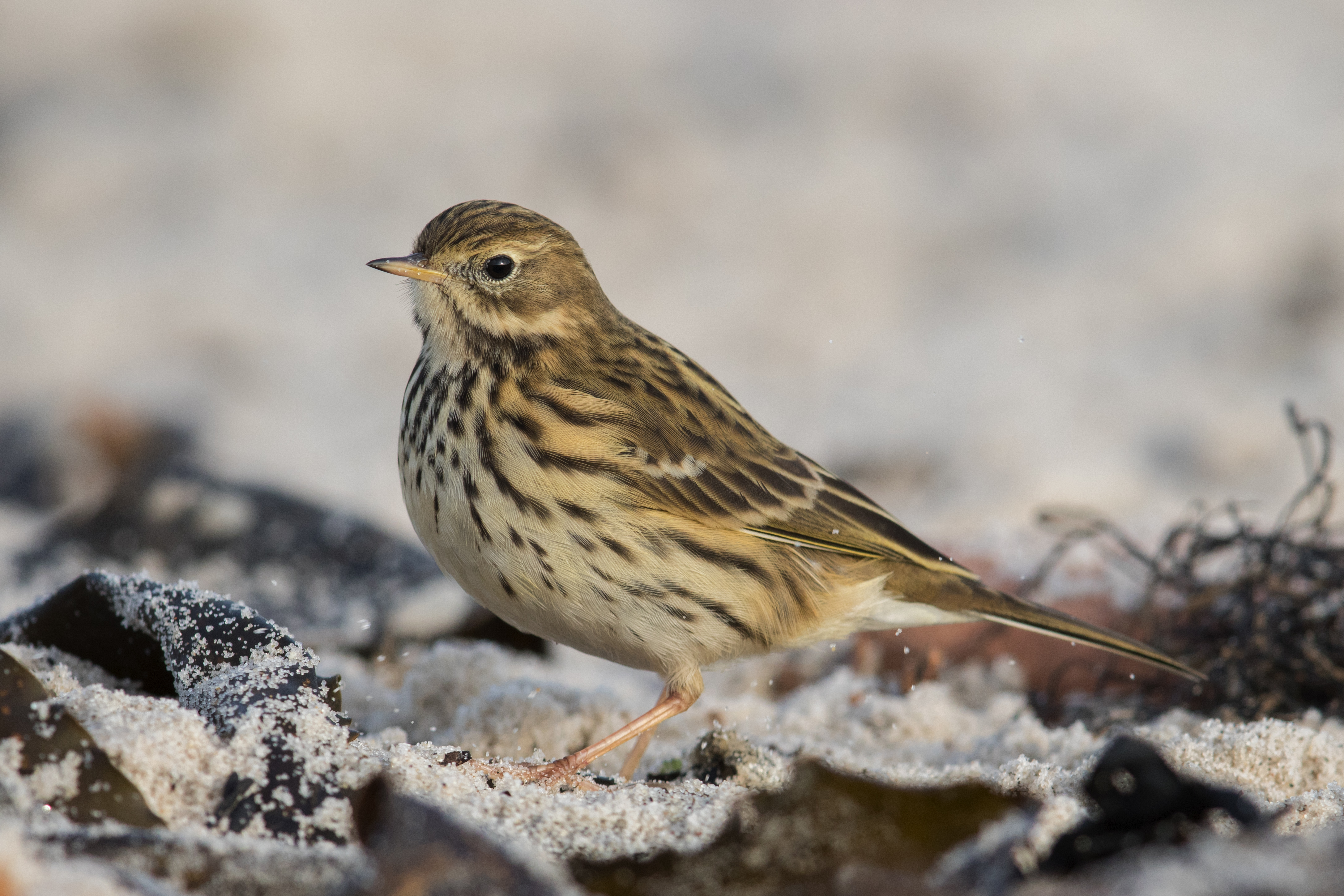
meadow pipit
ENAnthus pratensis

Meadow Thistle
CRCirsium dissectum
Meadow Thistle faces severe population declines due to widespread habitat loss from agricultural intensification and drainage of wetland areas. The species' specialized requirements for nutrient-poor, wet grasslands make it particularly vulnerable to changes in land management practices and hydrological conditions.
Mealy Bigfoot Webcap
VUCortinarius caerulescens
Mealy Oyster
VUOssicaulis lignatilis

Mealy Tooth
VUHydnellum ferrugineum
medium cottongrass
VUEriophorum medium

Medium Tree Finch
CRCamarhynchus pauper
The Medium Tree Finch faces severe threats primarily from invasive parasites, habitat degradation, and extremely limited range. The species is critically endangered due to the devastating impact of the introduced parasitic fly Philornis downsi, which kills nestlings, combined with habitat loss from invasive plant species and human activities on its restricted range in the Galápagos Islands.

Medusa Brittlestem
ENPsathyrella caput-medusae

Mélanippe pupillée (La)
ENEpirrhoe pupillata
mellomlodnetunge
ENTrichoglossum variabile

Melvin charr
CRSalvelinus grayi
Melvin charr faces severe threats from habitat degradation, invasive species introductions, and climate change impacts on cold-water lake ecosystems. The species' restricted range and specialized habitat requirements make it particularly vulnerable to environmental changes and human activities affecting pristine alpine and subarctic lake systems.
Menderes barbel
VULuciobarbus kottelati

Menthol Brittlegill
VURussula albonigra
Menzies' metaneckera moss
CRMetaneckera menziesii
Menzies' metaneckera moss faces severe threats from habitat destruction due to deforestation and urban development in its limited range. Climate change poses additional risks through altered precipitation patterns and temperature shifts that affect the specific moisture conditions this moss requires for survival.

Mérida Sunangel
ENHeliangelus spencei
Mersawa Merah
CRAnisoptera megistocarpa
Mersawa Merah faces severe population decline due to extensive logging and deforestation throughout its range in Southeast Asian tropical forests. The species' valuable timber has made it a primary target for commercial exploitation, while agricultural expansion and palm oil plantations continue to fragment and destroy its remaining habitat.

Meta Robber Frog
VUPristimantis frater
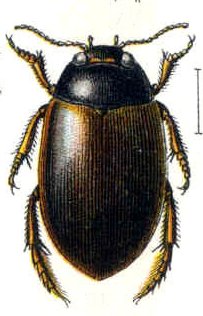
metsätaitosukeltaja
VUAgabus congener

Mew Gull
CRLarus canus
The Mew Gull faces severe population declines due to habitat loss from coastal development, pollution of marine and freshwater environments, and climate change impacts on breeding and feeding areas. Disturbance at nesting colonies and reduced prey availability from overfishing and ecosystem changes further threaten remaining populations. Conservation status may vary by region or assessment authority.
Meylan's Pouchwort
VUCalypogeia integristipula
Miarakandro
ENGigasiphon humblotianum
Michael's Fold Truffle
VUHydnotrya michaelis
Midas Tree-weaver
CRMidia midas
The Midas Tree-weaver faces severe population declines due to widespread deforestation and habitat fragmentation across its limited range. Climate change is altering precipitation patterns critical for the specialized forest ecosystems this species depends on, while invasive species compete for nesting sites and food resources.

Midden Inkcap
VUCoprinus sterquilinus
Middlekauf's Shieldback Katydid
CRIdiostatus middlekauffi
Middlekauf's Shieldback Katydid faces severe threats from habitat loss and fragmentation due to urban development and agricultural expansion in its limited California range. The species' restricted distribution and specialized habitat requirements make it extremely vulnerable to environmental changes and human activities.

Midnight parrotfish
ENScarus coelestinus
mierbodemkrabspin
ENOzyptila scabricula
Mierderito
VUPimelodus coprophagus
Milchweiße Lorchel
VUHelvella lactea

Milky Conecap
ENConocybe apala