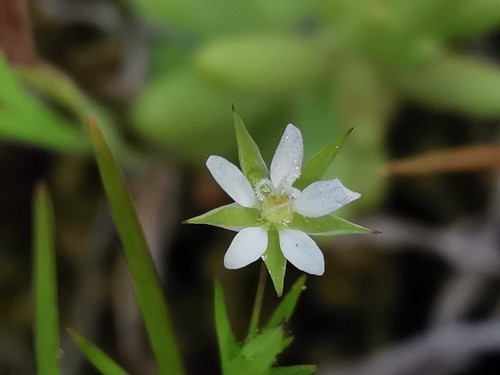
Sticky Sandwort
Sabulina viscosa
Photo: Photo: (c) bscrl, certains droits réservés (CC BY-NC), publiées par bscrl
Overview
A detailed profile for this species is sourced from the IUCN Red List of Threatened Species as assessments become available.
Minuartie visqueuse faces severe threats from habitat destruction and fragmentation of its specialized coastal environments. The species' extremely limited distribution and small population size make it highly vulnerable to environmental changes and human activities along Mediterranean coastlines.
Habitat
Rocky coastal cliffs, maritime grasslands, and sandy shores along Mediterranean coastlines, typically in areas with calcareous soils and salt spray influence. The species occupies specialized microhabitats in coastal zones where few other plants can survive the harsh maritime conditions.
Other threatened species in Caryophyllaceae


Threatened in Albania

Frequently asked questions
Why is Sticky Sandwort classified as Critically Endangered?
Where does Sticky Sandwort live?
What are the main threats to Sticky Sandwort?
Get weekly conservation intelligence
One short digest a week of the most striking species and country data we ship, plus breaking conservation news paired with our database where it matters.
Free, no spam. One-click unsubscribe in every email.