
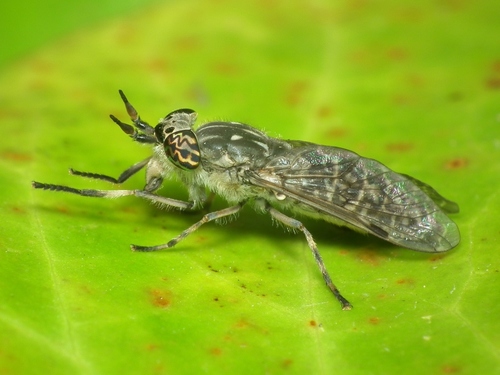
Large Marsh Horsefly
Tabanus autumnalis
Photo: Wikimedia Commons (CC) via https://en.wikipedia.org/wiki/Tabanus_autumnalis
Overview
Tabanus autumnalis, the large marsh horsefly, is a medium-sized species of biting horse-fly. It is somewhat scarce compared to T. bromius and T. bovinus. This species shows slightly more of a preference for coastal marsh than some of the other European Tabanus, sometime even found in saltmashes. Wing length is 13–16 mm and about 16–22 mm in body length.
The Large Marsh Horsefly faces severe population decline primarily due to widespread destruction and degradation of its specialized wetland habitats. Agricultural intensification, urban development, and drainage of marshlands have eliminated much of the species' breeding and feeding grounds, while climate change further threatens remaining suitable habitat.
Other threatened species in Tabanidae
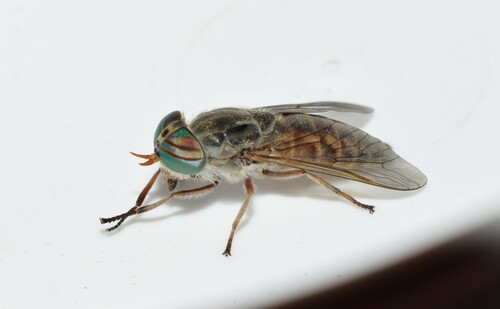
Threatened in Afghanistan

Frequently asked questions
Why is Large Marsh Horsefly classified as Critically Endangered?
Where does Large Marsh Horsefly live?
What are the main threats to Large Marsh Horsefly?
Get weekly conservation intelligence
One short digest a week of the most striking species and country data we ship, plus breaking conservation news paired with our database where it matters.
Free, no spam. One-click unsubscribe in every email.