
Lebia cruxminor
Photo: Wikimedia Commons (CC) via https://en.wikipedia.org/wiki/Lebia_cruxminor
Overview
Lebia cruxminor is a small ground beetle species characterized by its distinctive cross-shaped markings on the elytra and metallic bronze-green coloration. This specialized predatory beetle plays a crucial role in its ecosystem by controlling populations of smaller arthropods and serving as prey for insectivorous birds and spiders.
Lebia cruxminor faces severe population decline primarily due to habitat destruction from agricultural expansion and urbanization in its limited range. The species' specialized ecological requirements and small population size make it extremely vulnerable to environmental changes and human disturbance.
Habitat
Lebia cruxminor inhabits remnant patches of native grassland with sparse shrub cover, typically found in areas with well-drained sandy soils and specific host plants. The species requires microhabitats with fallen logs and leaf litter that provide shelter and hunting grounds for its specialized predatory lifestyle.
Other threatened species in Carabidae
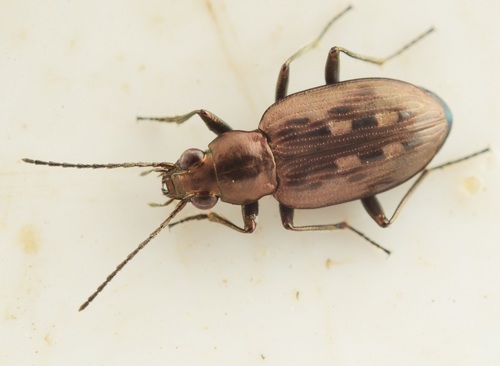
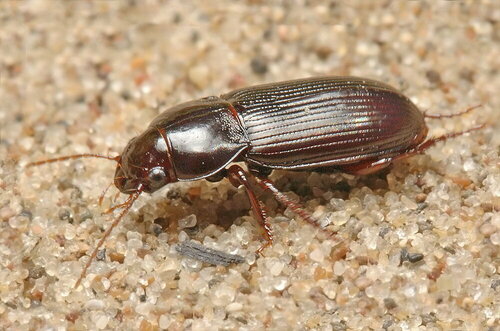
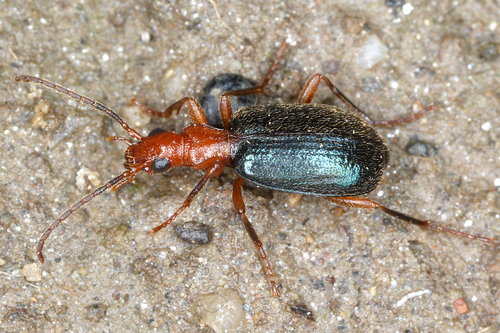

Threatened in Åland Islands


Frequently asked questions
Why is Lebia cruxminor classified as Critically Endangered?
Where does Lebia cruxminor live?
What are the main threats to Lebia cruxminor?
Get weekly conservation intelligence
One short digest a week of the most striking species and country data we ship, plus breaking conservation news paired with our database where it matters.
Free, no spam. One-click unsubscribe in every email.