Least Stonewort
Nitella confervacea
Overview
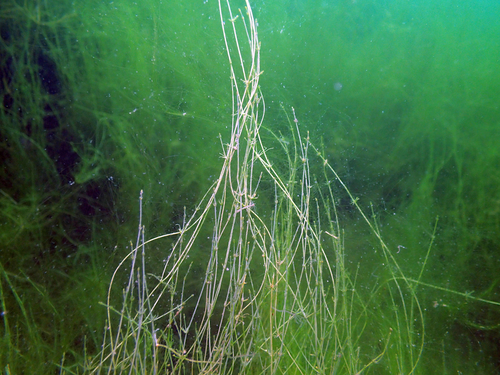
Least Stonewort (Nitella confervacea) is a delicate freshwater charophyte algae characterized by its translucent green, branching structure that resembles an underwater plant. This species forms dense underwater meadows in shallow waters and plays a crucial ecological role by providing oxygen, stabilizing sediments, and creating habitat for aquatic invertebrates and fish spawning areas.
Least Stonewort (Nitella confervacea) is declining primarily due to habitat loss and degradation of its freshwater aquatic environments. Water pollution, eutrophication from agricultural runoff, and physical disturbance of shallow water bodies have severely reduced suitable habitat for this charophyte algae.
Habitat
Least Stonewort inhabits shallow, clear freshwater environments including pristine lakes, slow-moving streams, and temporary pools with sandy or muddy substrates. The species requires low-nutrient, alkaline waters with good light penetration and minimal disturbance from wave action or human activities.
Other threatened species in Characeae


Frequently asked questions
Why is Least Stonewort classified as Endangered?
Where does Least Stonewort live?
What are the main threats to Least Stonewort?
Get weekly conservation intelligence
One short digest a week of the most striking species and country data we ship, plus breaking conservation news paired with our database where it matters.
Free, no spam. One-click unsubscribe in every email.