Hygrophorus hyacinthinus
Overview
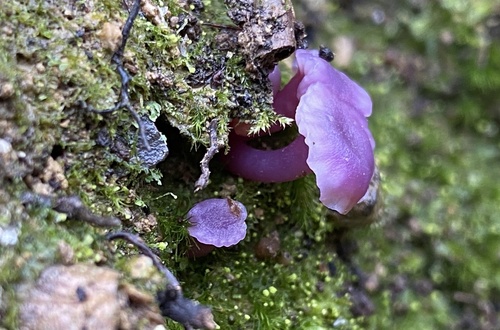
Hygrophorus hyacinthinus, known as the hyacinth waxcap, is a distinctive mushroom species characterized by its violet to lilac-colored cap and waxy gill texture. This saprotrophic fungus plays a crucial role in nutrient cycling by decomposing organic matter in forest ecosystems, while also forming important ecological relationships with soil microorganisms.
Hygrophorus hyacinthinus faces severe decline due to habitat loss from deforestation and agricultural conversion of its specialized forest ecosystems. Climate change is altering the delicate moisture and temperature conditions required for this mycorrhizal fungus to fruit and maintain symbiotic relationships with host trees.
Habitat
This species typically inhabits mature deciduous and mixed forests with rich, well-drained soils containing abundant leaf litter and organic debris. It shows a preference for areas with stable moisture levels and partial shade beneath established tree canopies.
Other threatened species in Hygrophoraceae

Frequently asked questions
Why is Hygrophorus hyacinthinus classified as Endangered?
Where does Hygrophorus hyacinthinus live?
What are the main threats to Hygrophorus hyacinthinus?
Get weekly conservation intelligence
One short digest a week of the most striking species and country data we ship, plus breaking conservation news paired with our database where it matters.
Free, no spam. One-click unsubscribe in every email.