Fries' Pondweed
CRCritically Endangered

Fries' Pondweed

Potamogeton friesii

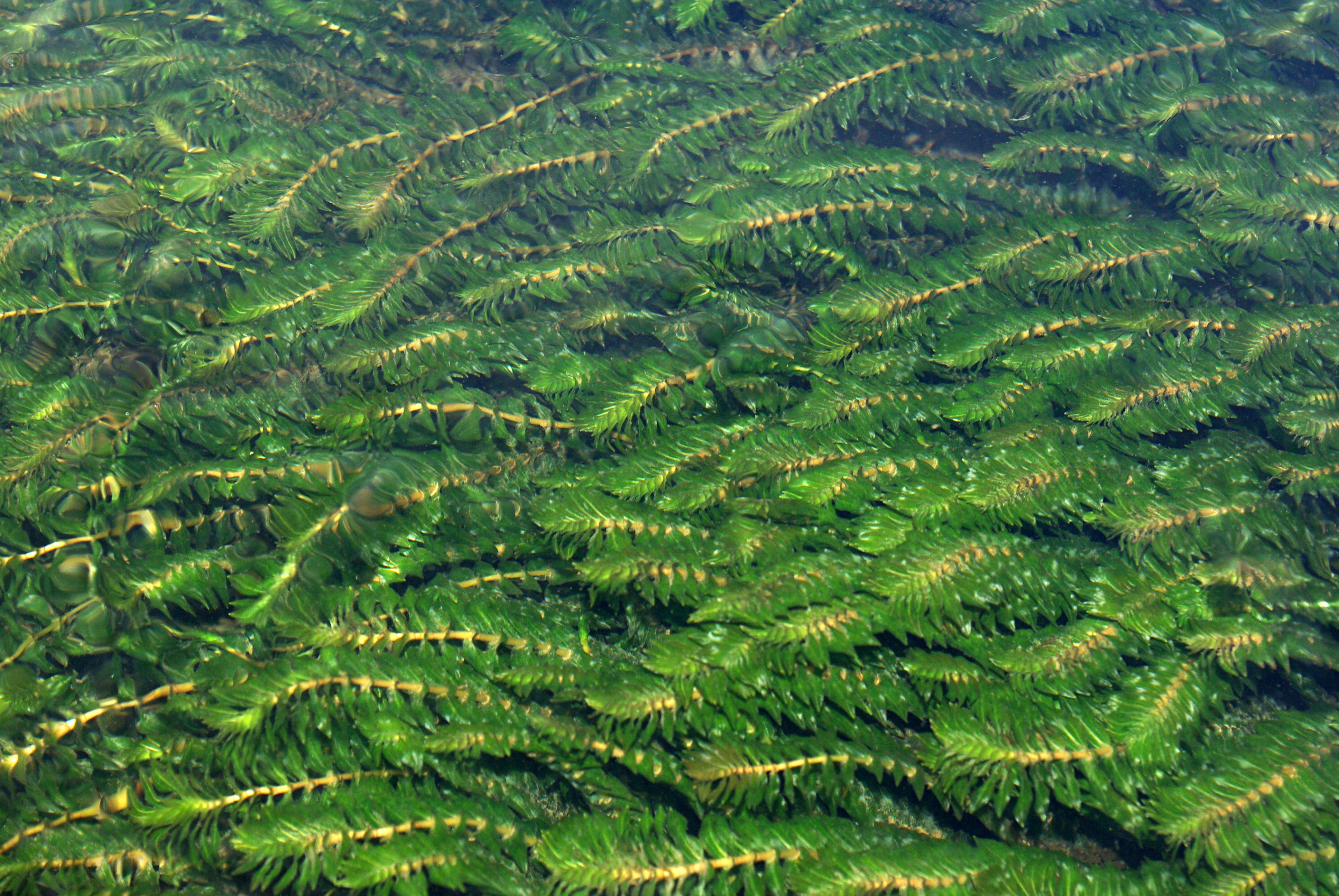
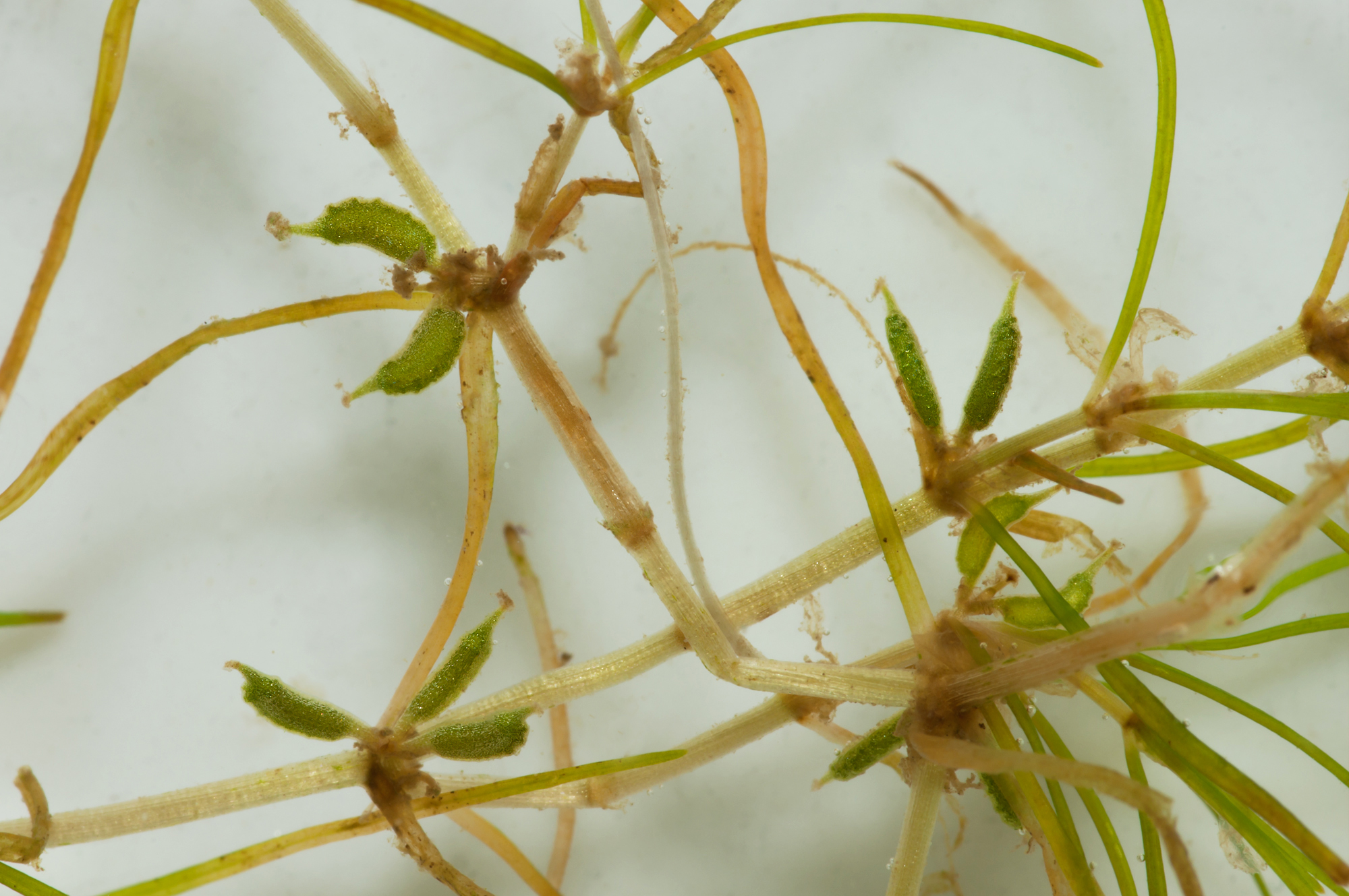
Potamogeton friesii, known as flat-stalked pondweed, or Fries' pondweed, is an aquatic plant in the genus Potamogeton. It grows mainly in mesotrophic to eutrophic rivers, lakes, ponds and ditches, rarely in brackish water.

Photo: Wikimedia Commons (CC) via https://en.wikipedia.org/wiki/Potamogeton_friesii

01Classification

Taxonomy & Classification

Kingdom

Plantae

Phylum

Tracheophyta

Class

Liliopsida

Order

Alismatales

Family

Potamogetonaceae

Genus

Potamogeton

Fries' Pondweed belongs to the family Potamogetonaceae, order Alismatales, within the Liliopsida class.

02Description

Species Profile

Potamogeton friesii, known as flat-stalked pondweed, or Fries' pondweed, is an aquatic plant in the genus Potamogeton. It grows mainly in mesotrophic to eutrophic rivers, lakes, ponds and ditches, rarely in brackish water. It occurs in North America, Europe, western Asia and a few scattered locations elsewhere in Asia.

Fries' Pondweed faces severe decline primarily due to habitat degradation and loss of suitable freshwater environments. Water pollution, eutrophication from agricultural runoff, and physical disturbance of aquatic habitats have dramatically reduced available habitat for this critically endangered aquatic plant.

Key Facts

IUCN StatusCritically Endangered (CR)
GroupPlants
03Habitat

Habitat & Distribution

Potamogeton friesii occurs predominantly in North America (Canada, northern USA), Europe (Scandinavia, Germany, Poland, British Isles, NE and central France, Belarus, Ukraine, European Russia, Pyrenees, Carpathians), There are isolated populations in southern Europe (Corsica, N Italy, Balkans) and in Asia (N China, Russia, Japan, Kazakhstan, Tajikistan).

FRESHWATERMajor
04Threats

Threats

!

IUCN Red List: Critically Endangered

Fries' Pondweed faces severe decline primarily due to habitat degradation and loss of suitable freshwater environments. Water pollution, eutrophication from agricultural runoff, and physical disturbance of aquatic habitats have dramatically reduced available habitat for this critically endangered aquatic plant.

Agricultural runoff

HighOngoing

Habitat loss and degradation

HighOngoing

Water pollution and eutrophication

HighOngoing

Climate change impacts on aquatic systems

MediumOngoing

Physical disturbance of water bodies

MediumOngoing
07National Status

National vs Global Threat Status

How this species is assessed at the national level compared to its IUCN global status (CR).

CountryNational StatusGlobal StatusComparison
EULCLeast ConcernCRCritically EndangeredLower local risk

National Red List data sourced from the National Red List Project (nationalredlist.org, ZSL) and country-specific Red List authorities.

Community

Community Sightings

Report a sighting

No community sightings yet. Be the first to report!

07Sources

Sources & Attribution

How to Cite

IUCN: IUCN (2025). The IUCN Red List of Threatened Species. Version 2025-1. Available at: https://www.iucnredlist.org. doi:10.2305/IUCN.UK.2025-1.RLTS

GBIF: GBIF.org (2025). GBIF Home Page. Available at: https://www.gbif.org

National Red Lists: ZSL (2025). National Red List. Zoological Society of London. Available at: https://www.nationalredlist.org

This page: SpeciesRadar (2025). Fries' Pondweed (Potamogeton friesii). SpeciesRadar: Intelligence for Earth's Biodiversity. Available at: https://speciesradar.org/species/fries-pondweed

Full citation guide & data usage terms