
Frigga's Fritillary
Boloria frigga
Photo: Wikimedia Commons (CC) via https://en.wikipedia.org/wiki/Boloria_frigga
Overview
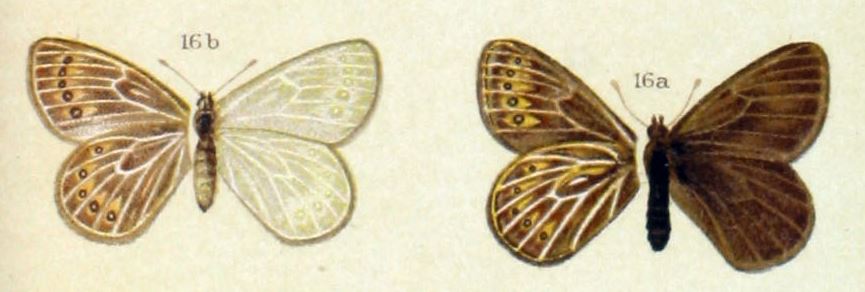
Boloria frigga, the Frigga fritillary, is a butterfly of the family Nymphalidae with a circumboreal distribution. It occurs in bogs and tundra in Northern Europe to the north of 60° N, very locally in more southern locations, as well as in the Urals, Siberia, Northern Mongolia, the Russian Far East, western parts of the United States and Canada.
Frigga's Fritillary faces severe population declines primarily due to habitat loss and fragmentation of its specialized bog and wetland ecosystems. Climate change poses an additional threat by altering the hydrology and plant communities of these sensitive habitats, while the species' limited dispersal ability makes it particularly vulnerable to local extinctions.
Other threatened species in Nymphalidae


Frequently asked questions
Why is Frigga's Fritillary classified as Critically Endangered?
Where does Frigga's Fritillary live?
What are the main threats to Frigga's Fritillary?
Get weekly conservation intelligence
One short digest a week of the most striking species and country data we ship, plus breaking conservation news paired with our database where it matters.
Free, no spam. One-click unsubscribe in every email.