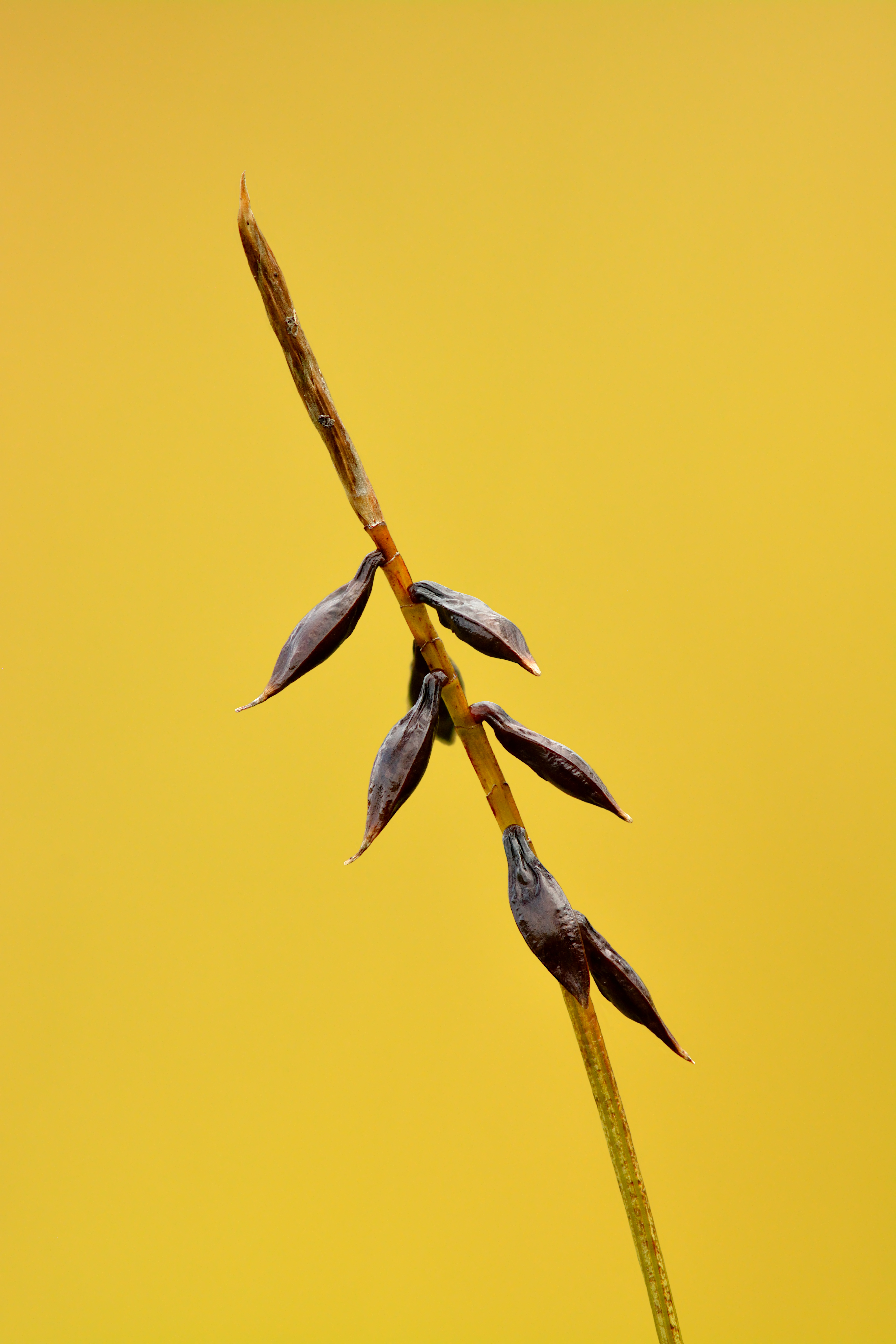
Flea Sedge
Carex pulicaris
Photo: Wikimedia Commons (CC) via https://en.wikipedia.org/wiki/Carex_pulicaris
Overview
Carex pulicaris is a small, tufted perennial sedge distinguished by its slender, wiry stems and distinctive seed dispersal mechanism: mature female spikes bear glossy, dark brown utricles that detach and drop away from the stem in a flea-like manner, giving rise to the common name. Growing typically 10-30 cm tall, it produces narrow basal leaves and a single terminal spike combining male flowers above and female flowers below. As a component of low-nutrient wetland plant communities, it contributes to the structure of fen, mire, and wet grassland vegetation and provides habitat niches for invertebrates adapted to these specialized ecosystems.
The species has an extensive range across Europe, extending from Iceland, Scandinavia, and the British Isles through central and southern Europe, into parts of Russia, with additional occurrences noted in Armenia, Australia, and the United States. It is confined to terrestrial habitats, specifically damp, base-rich or acidic environments such as fens, flushes, bogs, and unimproved wet meadows.
Despite this wide distribution, the species has been assessed as Critically Endangered, reflecting severe and ongoing declines at local and regional scales. Primary threats include drainage and destruction of wetland habitats, conversion of land for agriculture, and disruption of natural hydrology through altered water tables. Eutrophication from agricultural runoff degrades the low-nutrient conditions the species requires, while the abandonment of traditional low-intensity grazing has allowed scrub encroachment and vegetation succession to overtake open fen habitats.
Conservation responses include protection of remaining fen and mire sites within existing protected area networks, hydrological restoration projects, and reinstatement of traditional grazing regimes in some reserves. Population trends remain unknown, making long-term trajectory difficult to quantify, though continued habitat pressures suggest ongoing vulnerability without sustained site-level intervention.
Flea Sedge is mainly threatened by the draining and destruction of the wet, boggy habitats it needs to survive, often caused by land being converted for farming and changes to natural water levels. It's also harmed by fertiliser and manure runoff polluting its habitat, as well as the decline of traditional grazing practices that once helped keep its environment suitable. These threats are ongoing and appear to be stable rather than increasing or decreasing.
Habitat
Carex pulicaris is found across much of Europe, from Spain to Estonia and north to Iceland and Fennoscandia, but excluding the Mediterranean region. It grows in a variety of wet habitats, including bogs, fens and wet flushes.
Other threatened species in Cyperaceae


Threatened in Åland Islands


Frequently asked questions
Why is Flea Sedge classified as Critically Endangered?
Where does Flea Sedge live?
What are the main threats to Flea Sedge?
Get weekly conservation intelligence
One short digest a week of the most striking species and country data we ship, plus breaking conservation news paired with our database where it matters.
Free, no spam. One-click unsubscribe in every email.