Boreal Sweat Bee
Lasioglossum boreale
Overview
A detailed profile for this species is sourced from the IUCN Red List of Threatened Species as assessments become available.
Lasioglossum boreale faces significant pressure from climate change as warming temperatures alter the alpine and subalpine environments it depends on. Habitat fragmentation from infrastructure development and tourism activities in mountainous regions further restricts available nesting sites. The species' specialized pollination relationships with arctic-alpine flora make it particularly vulnerable to phenological mismatches caused by shifting seasonal patterns.
Habitat
This specialized bee inhabits alpine and subalpine meadows, typically above 1,000 meters elevation in Scandinavia's mountain regions. It nests in well-drained soils near flowering plants adapted to harsh northern climates, particularly favoring areas with sparse vegetation and exposed mineral soil.
Other threatened species in Halictidae
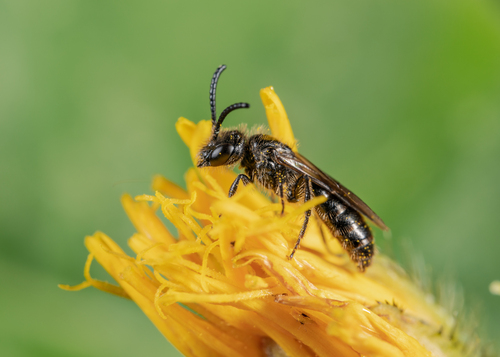

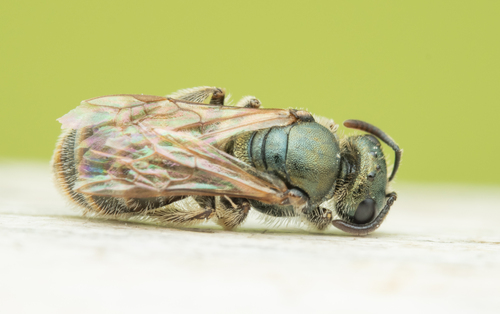
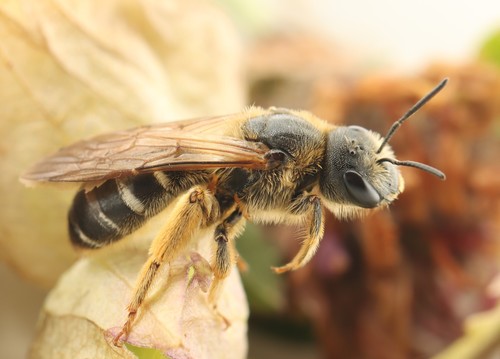
Threatened in Canada
Frequently asked questions
Why is Boreal Sweat Bee classified as Vulnerable?
Where does Boreal Sweat Bee live?
What are the main threats to Boreal Sweat Bee?
Get weekly conservation intelligence
One short digest a week of the most striking species and country data we ship, plus breaking conservation news paired with our database where it matters.
Free, no spam. One-click unsubscribe in every email.