VUVulnerable
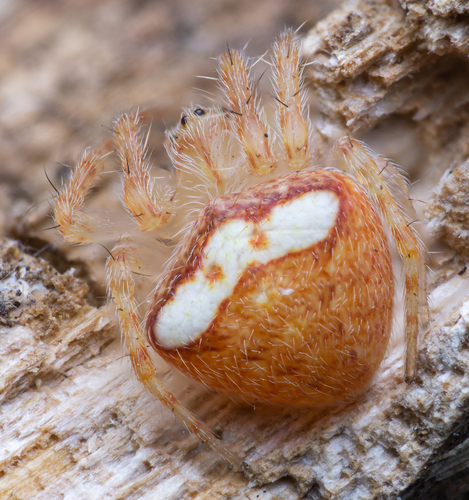
Araniella alpica
Unknown
Overview
A detailed profile for this species is sourced from the IUCN Red List of Threatened Species as assessments become available.
Habitat
This alpine orb weaver inhabits cool, humid mountain environments typically above 1,500 meters elevation, favoring areas with dense vegetation and stable microclimates. The species constructs webs in shrubs and low vegetation within alpine meadows and subalpine forest edges.
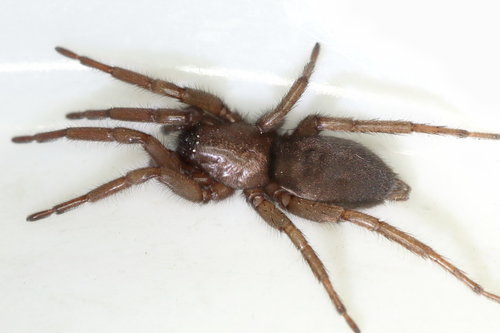
Other threatened species in Araneidae


Threatened in Åland Islands


Frequently asked questions
Why is Araniella alpica classified as Vulnerable?
Araniella alpica is classified as Vulnerable because the population is declining and the species faces a high risk of extinction in the medium-term future if current pressures continue, per the IUCN Red List assessment recorded in the SpeciesRadar database.
Where does Araniella alpica live?
Araniella alpica occurs in Åland Islands, Australia, Austria, Belarus, Belgium, and Bulgaria (plus 25 other countries). Country-level distribution data is sourced from the IUCN Red List and cross-referenced with GBIF occurrences.
What are the main threats to Araniella alpica?
The main threats to Araniella alpica are ai-1, ai-2, ai-3, and ai-4. The full IUCN-classified threat record for this species is detailed on the species page.
Get weekly conservation intelligence
One short digest a week of the most striking species and country data we ship, plus breaking conservation news paired with our database where it matters.
Free, no spam. One-click unsubscribe in every email.