
Fingered Sedge
Carex digitata
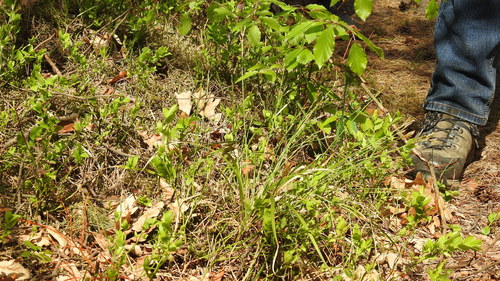
Photo: Wikimedia Commons (CC) via https://en.wikipedia.org/wiki/Carex_digitata
Overview
Carex digitata, finger sedge, or fingered sedge is a species in the genus Carex, native to Europe and western Asia. It is found most often in shady, deciduous mesotrophic oak‑hornbeam forests.
Fingered Sedge faces severe threats from habitat destruction and fragmentation of its specialized woodland environments, particularly due to intensive forestry practices and agricultural conversion. Climate change is altering the delicate moisture and temperature conditions required by this species, while invasive plant species compete for resources in its native habitats.
Habitat
Deciduous and mixed woodlands with moist, humus-rich soils, particularly in beech and oak forests with partial shade conditions. Also found in woodland edges, clearings, and scrubland areas with well-drained but moisture-retentive soils.
Other threatened species in Cyperaceae


Frequently asked questions
Why is Fingered Sedge classified as Critically Endangered?
Where does Fingered Sedge live?
What are the main threats to Fingered Sedge?
Get weekly conservation intelligence
One short digest a week of the most striking species and country data we ship, plus breaking conservation news paired with our database where it matters.
Free, no spam. One-click unsubscribe in every email.