Species Explorer
Browse and search species from the IUCN Red List and GBIF.
54,666 species

Rivera Redbelly Toad
ENMelanophryniscus devincenzii
Roble (Dominican Republic)
ENTabebuia berteroi
Roble guira
VUHenriettea squamata
Robust Bracket
ENFomitiporia robusta
Robust Grimmia
CRSchistidium robustum
Robust Grimmia faces severe threats from habitat degradation and climate change impacts on its specialized rocky environments. The species' extremely limited distribution and specific microhabitat requirements make it highly vulnerable to environmental changes and human disturbances in mountainous regions.
Robust Pillar
ENCochlicopa nitens
Rock Cinquefoil
VUDrymocallis rupestris

Rock Cranberry
VUVaccinium vitis-idaea
Rock Fingerwort
CRLepidozia cupressina
Rock Fingerwort faces severe threats from habitat destruction due to quarrying, road construction, and urban development that directly impacts its specialized rocky substrates. Climate change poses additional risks through altered moisture regimes and temperature fluctuations that affect the delicate bryophyte communities this species depends upon. Its extremely limited distribution and specific habitat requirements make it particularly vulnerable to local extinctions.

Rock Frog
VUCophixalus saxatilis

Rock Grayling
VUHipparchia hermione

Rock Groundling
VUScrobipalpa murinella

Rock Pipit
ENAnthus petrosus

Rock-loving Map Lichen
VURhizocarpon petraeum
rockentravsjordloppa
CRPsylliodes brisouti
Psylliodes brisouti faces severe threats from habitat loss due to agricultural intensification and urbanization of its specialized environments. The species' narrow ecological requirements and limited distribution make it particularly vulnerable to environmental changes and human disturbance.

Rocky Crater Lichen
VUDiploschistes scruposus
röd guldskivlav
VUProtoblastenia cyclospora
röd pysslinglav
VUThelopsis rubella

Rødbenet museedderkop
VUGnaphosa bicolor

Rødbenet ninja
VUTrachyzelotes pedestris
rödbent blombock
CRAnoplodera rufipes
The rödbent blombock faces severe population declines due to habitat loss from intensive forestry practices and urbanization across its range. Climate change is altering the composition of host tree species and disrupting the timing of adult emergence with flower availability, while pollution and pesticide use in managed forests further threaten remaining populations.
rödhättingssnylting
VUHypomyces porphyreus
rödhornslökblomfluga
ENEumerus ruficornis
rodnande klubbsvamp
VUClavariadelphus helveticus

Rødplettet pletlav
VUArthonia vinosa
rödsidig lökblomfluga
ENEumerus grandis
rödskaftad svartspik
VUChaenothecopsis haematopus
rødsporetråd
CRSphaeroplea annulina
Sphaeroplea annulina faces severe threats from habitat degradation due to water pollution, eutrophication, and climate-induced changes to freshwater ecosystems. The species' specialized reproductive requirements and narrow ecological niche make it particularly vulnerable to environmental disturbances that alter water chemistry and temperature regimes.
Roesel's Signal
VUHeliodines roesella
rökdansfluga
ENHormopeza obliterata
Rolland's Bulrush
ENTrichophorum pumilum
Rollizo
VUCharacidium phoxocephalum
Rollizo
VUParodon caliensis
Ronce de Loehr
CRRubus loehrii
Rubus loehrii faces severe threats from habitat destruction and fragmentation due to agricultural expansion and urban development within its limited range. The species' restricted distribution makes it particularly vulnerable to localized environmental changes and human activities that degrade its specialized habitat requirements.
Ronce pruineuse, Ronce à feuilles de noisetier
ENRubus pruinosus

Rondônia Bushbird
VUClytoctantes atrogularis
Roodkopgaasvlieg
VUNothochrysa fulviceps
roodspriet-kopermanteltje
VUFerdinandea ruficornis
Roodsprietsmallijf
VUStenodema virens
Roodvlokkige paarssteelgordijnzwam
ENCortinarius rubrovioleipes
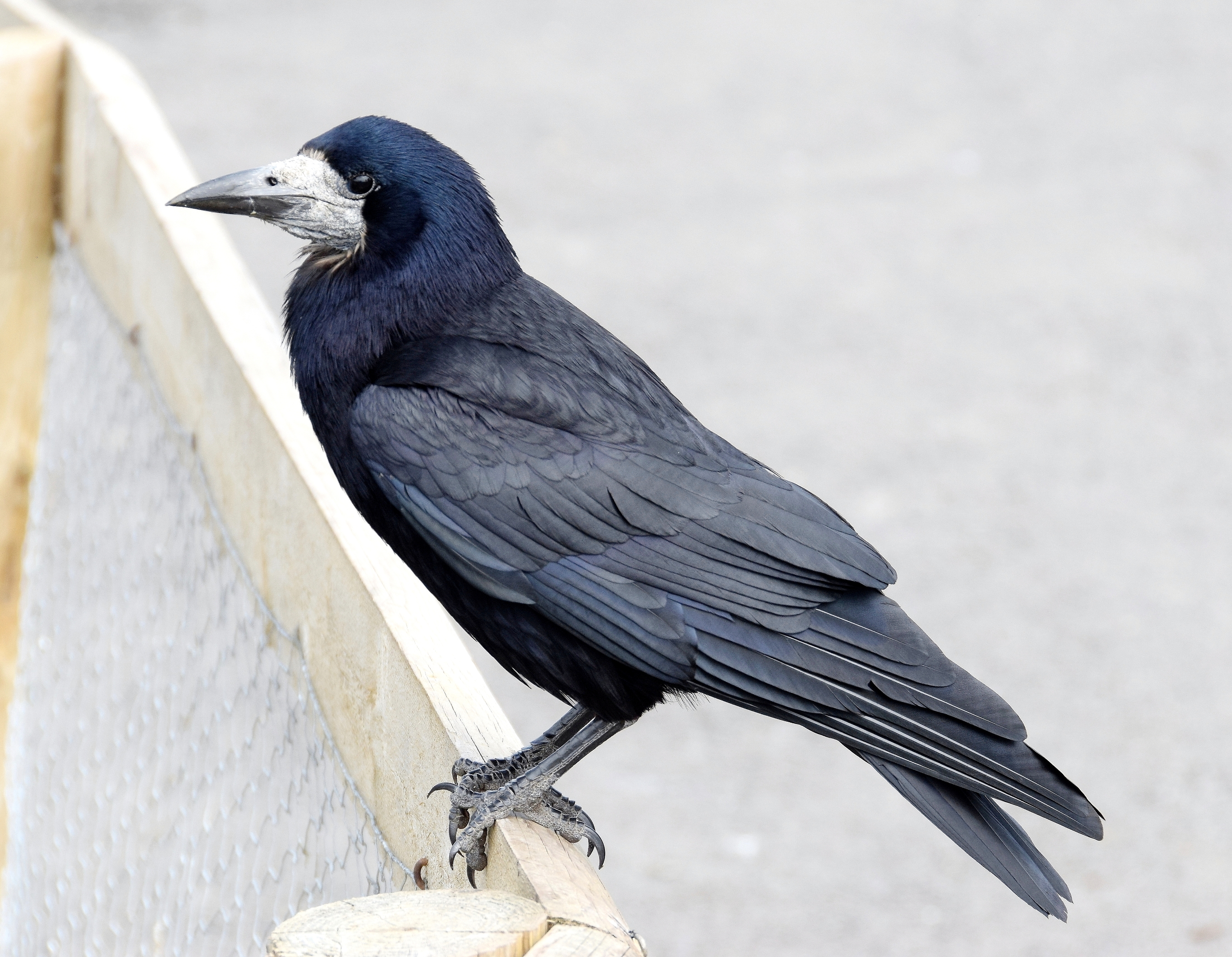
Rook
VUCorvus frugilegus
Rosa Branca
VUTrichilia silvatica
rosa jodskinn
ENAmylocorticium subincarnatum
rosa lundlav
VUBacidia rosella
Rosastieliger Dachpilz
CRPluteus roseipes
Pluteus roseipes faces severe population declines due to widespread habitat destruction and degradation of old-growth forest ecosystems. The species' dependence on specific deadwood substrates makes it particularly vulnerable to intensive forest management practices and climate-induced changes in forest composition.
Rose-petalled Jellyskin Lichen
CRScytinium gelatinosum
Rose-petalled Jellyskin Lichen faces severe threats from air pollution, particularly nitrogen deposition and sulfur compounds, which dramatically alter the chemical composition of its substrate and surrounding environment. Habitat loss through urbanization and agricultural intensification has eliminated many suitable sites, while climate change is altering moisture regimes essential for this gelatinous lichen's survival and reproduction.
rosenfotad fjällskivling
VULepiota pseudolilacea
Rosenmaskenzikade
ENMacropsis megerlei
rosenporina
VUPorina lectissima
rosenpuderskivling
VUCystolepiota moelleri